Despite efforts to reduce its economic reliance on China, India continues to grapple with a significant trade deficit, highlighting the challenges of rebalancing relations with its neighbor.
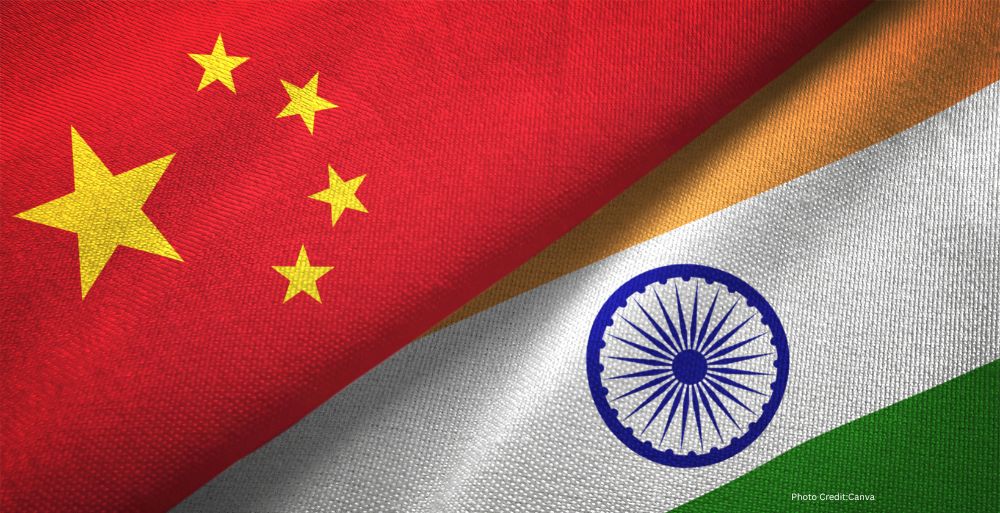
NEW DELHI – In recent years, India has intensified its efforts to reduce dependency on Chinese imports while striving to enhance its domestic manufacturing capabilities. However, these efforts have yielded mixed results, with the trade deficit between the two nations reaching alarming levels. According to reports, India’s trade deficit with China ballooned from $44 billion in 2020 to approximately $112 billion in 2023.
The Indian government’s attempts to curtail imports began six years ago when it raised tariffs on imported toys from 20% to 60%, eventually reaching 70%. This move aimed to bolster local manufacturing and prevent substandard products from flooding the market. As a result, imports of toys fell significantly, from nearly $300 million in 2020 to about $100 million in 2023. Conversely, Indian toy exports increased from around $129 million to $200 million during the same period, demonstrating a rare success in the broader context of trade relations with China.
Trade Imbalances Persist
Despite the notable progress in the toy sector, the overall trade relationship between India and China remains heavily skewed in favor of the latter. Many experts, including Kevin Zongzhe Li from the Asia Society Policy Institute, emphasize that India’s economic dependence on China has deepened even as political and security relations have soured since the Galwan Valley clashes in 2020. Li noted, “India’s economic dependence on China continued to deepen while political, security, and investment ties were at their lowest point.”
China now accounts for over 30% of India’s industrial imports, supplying critical components across various sectors. Ajay Srivastava of the Global Trade and Research Initiative (GTRI) highlighted that India relies on China for more than 100 essential products, exacerbating the trade imbalance. The rapid growth of imports raises concerns that the deficit could escalate to $134 billion if current trends persist, further consolidating China’s leverage over India’s industrial landscape.
Analysis of Import Dynamics
Although anti-China sentiment surged after the 2020 border skirmishes, diplomatic relations have shown signs of improvement. During the recent BRICS summit in Delhi, Prime Minister Narendra Modi and Chinese President Xi Jinping committed to addressing the structural trade imbalances that characterize their economic relationship. However, experts caution that reversing the trend of increasing dependency on Chinese imports will be a daunting challenge.
India has made strides in reducing reliance on finished goods, including smartphones and solar equipment, producing over 25% of the world’s iPhones. However, much of this production remains assembly-based and heavily reliant on imported components, particularly from China. Srivastava noted, “Production remains largely assembly-based and depends heavily on imported components, particularly from China.”
Electrical machinery and electronics, which constitute 36% of India’s imports, along with machinery and mechanical appliances at 21.7%, highlight the extent of India’s reliance on Chinese supplies. Soumya Bhowmik of the Observer Research Foundation (ORF) warned that disruptions in these supply chains could significantly impact Indian production capabilities.
Macroeconomic Factors Influencing Trade
The increasing influx of Chinese imports is not solely attributed to India’s demand but also reflects broader macroeconomic trends in China. With excess production capacity in sectors such as steel, solar panels, and electric vehicles, Chinese manufacturers are seeking overseas markets to absorb their output. This dynamic, coupled with China’s anticipated trade surplus of over $1 trillion for the second consecutive year, has led to an influx of competitively priced goods into India.
Despite the challenges posed by Chinese imports, Indian companies face significant hurdles when attempting to penetrate the Chinese market. Li pointed out that Indian products encounter various tariff and non-tariff barriers, making it difficult for them to scale exports effectively. He cautioned that without reciprocal market access, India risks improving its political relationship with China while remaining economically dependent.
Future Strategies for Economic Independence
Experts argue that the long-term solution to both reducing imports and improving export performance lies in strengthening India’s manufacturing sector. This necessitates the development of sector-specific industrial policies, as well as enhancements in key areas such as affordable power, efficient logistics, and stable regulations. While India has recently relaxed foreign direct investment (FDI) rules, experts recommend careful vetting of investments to prevent further deepening of dependency on Chinese imports.
As India seeks to address its trade deficit, targeting higher exports in specific sectors, such as pharmaceuticals, may prove beneficial. However, narrowing a $112 billion deficit will require more than just identifying niche export opportunities; it will necessitate a concerted effort to negotiate improved market access with China. The question remains whether Beijing is willing to make concessions as part of a broader normalization of relations. If not, India will need to leverage its own strengths to facilitate meaningful economic dialogue.