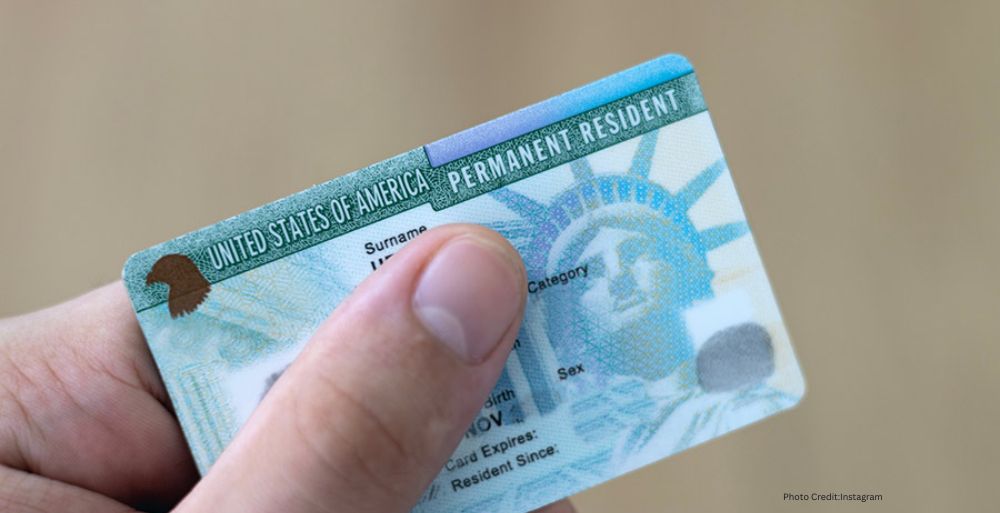
The US Labor Department has suspended several major IT outsourcing firms, including Infosys and Microsoft, from the Permanent Labor Certification Program due to ongoing federal investigations into alleged visa fraud. This move highlights growing scrutiny over the H-1B visa program and its impact on American workers.
Washington, DC – In a significant development for the technology sector, US Labor Secretary Keith Sonderling announced on Wednesday that the Department of Labor is suspending several prominent IT outsourcing firms from the Permanent Labor Certification Program. The firms affected include Cognizant, Infosys, Tata Consultancy Services, Wipro, HCL Technologies, and Capgemini. This decision comes amid multiple active federal investigations into the companies regarding alleged abuses of the H-1B visa program.
During a press conference focused on combating visa fraud, US Vice President Mike Pence criticized major tech companies for exploiting the H-1B visa program, which is designed to allow US employers to bring in skilled foreign workers when they cannot find suitable candidates among American workers. “The H-1B visa program is meant to allow companies to bring in really the best of the best from outside the United States of America for positions that are completely impossible to fill with American workers. Unfortunately, the program has become rife with fraud,” Pence stated.
Allegations Against Major Tech Firms
Attorney General Todd Blanche echoed Pence’s sentiments, emphasizing that this suspension serves as a warning to employers across the nation against discrimination towards American workers. He highlighted the case of Microsoft, which has faced scrutiny for laying off thousands of American employees while simultaneously benefiting from a significant number of H-1B visas and green cards.
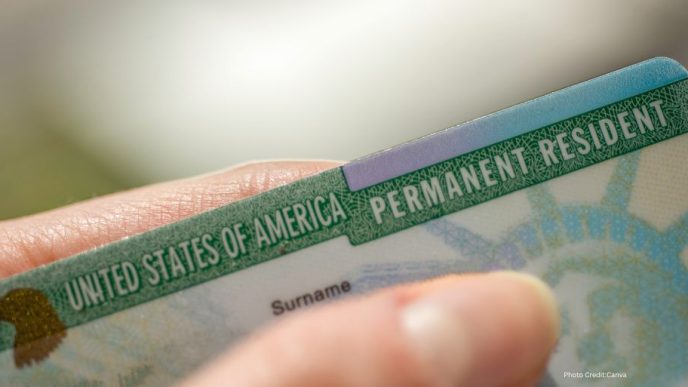
Specifically, Blanche pointed out that Microsoft laid off 6,000 American workers in the past year while acquiring 6,300 H-1B visas and nearly 3,000 green cards. “If you do the math, for every worker that Microsoft laid off, they replaced that worker with one and a half foreign indentured servants,” he said. This statement underscores a growing concern that the H-1B program is being misused to undercut American labor.
Vance further stated, “That’s a scandalous system we’ve allowed in this country for far too long, but thanks to the work of this task force and the empowerment of the President of the United States, we are going to stop it.” He indicated that the ongoing investigation directly contributed to Microsoft’s suspension from the program, implying a broader crackdown on firms that do not prioritize American employees.
Implications for the IT Sector
Sonderling elaborated on the actions taken against these companies, stating that no new applications will be accepted, nor will pending permanent labor certification applications be processed. He revealed that these companies have collectively sought millions of foreign workers over the years, receiving over 230,000 H-1B visa approvals and more than 100,000 permanent labor certifications since 2009. This, he noted, translates to significant job opportunities potentially lost for American workers.
The announcement follows a recent proposal from the US Department of Homeland Security (DHS) aimed at reforming the Optional Practical Training (OPT) program for F-1 nonimmigrant students. On October 7, DHS proposed the implementation of new fees for students seeking to participate in OPT, which is designed to provide practical training in their fields of study. The proposed rule would impose a $70,000 fee for initial OPT requests and a $30,000 fee for subsequent applications.
According to DHS, this proposal aims to protect American workers and strengthen the integrity of the immigration system. “Optional Practical Training was never meant to be a back door into the American workforce, a subsidy for cheap labor, or a prize for those who game the system,” a DHS spokesperson remarked. The changes reflect ongoing concerns about potential fraud and abuse within the program, including schemes involving problematic worksites and “pay-to-stay” visa arrangements.
Response and Next Steps
The proposed fees would be collected from SEVP-certified schools before they recommend students for OPT, with the intention of ensuring that only deserving candidates are considered for employment authorizations with US Citizenship and Immigration Services (USCIS). The DHS has indicated that public comments on this proposal will be accepted from October 8 through November 9, with a separate 60-day public comment period for the Paperwork Reduction Act section.
As the situation develops, the implications of these suspensions and proposed reforms will likely have far-reaching effects on the technology sector and the broader labor market in the United States. The ongoing scrutiny of the H-1B visa program and related practices underscores the complexity of balancing the needs of American businesses for skilled labor with the imperative to protect domestic employment.