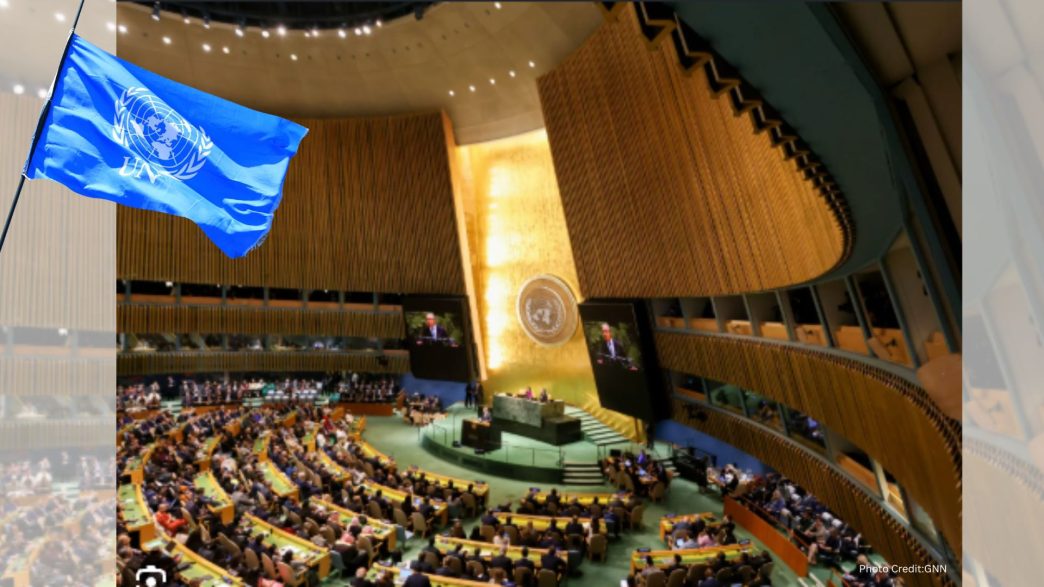
As world leaders converge for the United Nations General Assembly, they face a landscape marked by escalating conflicts, economic instability, and urgent global challenges.
UNITED NATIONS (AP) — As the U.N. General Assembly convenes this week in New York, global leaders are confronting a multifaceted crisis characterized by deepening conflicts, economic instability, and a rapidly changing international landscape. The annual gathering, which begins on Tuesday, promises to highlight the stark differences in the geopolitical climate compared to the previous year.
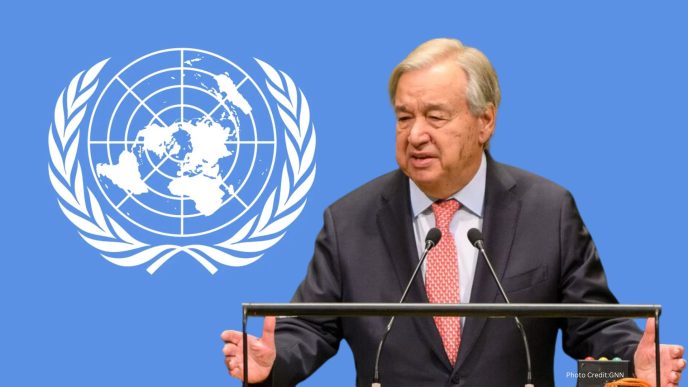
“World leaders will be gathering at the United Nations in an era of deep uncertainty,” U.N. Secretary-General António Guterres told reporters, emphasizing the urgent need for adaptation among international institutions to address these unprecedented challenges.
Escalating Conflicts Across Regions
The ongoing wars in Ukraine and the Middle East have intensified in recent months, with significant implications for global security and humanitarian conditions. The conflict in Ukraine, now entering its fifth year, has seen both sides escalate military operations, with new offensives reported in recent weeks. Diplomatic negotiations aimed at achieving a ceasefire have largely stalled, reflecting the broader inability of the international community to mediate effectively in the region.
Meanwhile, tensions in the Middle East have escalated dramatically. Following a U.S. military operation that ousted Venezuelan leader Nicolás Maduro, widespread protests erupted in Iran, where citizens challenged the ruling theocratic regime. In a significant development, a joint military strike by the United States and Israel against Iran has led to a regional conflict that has involved multiple nations and effectively closed strategic waterways crucial for global commerce.
Public Health and Environmental Challenges
In addition to geopolitical conflicts, the global community is grappling with pressing public health concerns. An Ebola outbreak in the Democratic Republic of the Congo and Uganda has reignited fears regarding international preparedness for pandemics, highlighted by the lessons learned during the COVID-19 crisis. Furthermore, natural disasters, including severe earthquakes in Venezuela and Colombia along with catastrophic flooding in Nepal and Tibet, underscore the pressing need to confront the impacts of climate change, which have become increasingly evident in vulnerable communities worldwide.
Diplomatic Frustrations and the Role of the U.N.
Conversations leading up to the General Assembly have revealed a consensus among diplomats regarding the precarious state of international relations. Many officials, speaking on the condition of anonymity, expressed skepticism about the U.N.’s capacity to address the multitude of crises facing member states today. Former U.S. Ambassador to the U.N. Robert Wood remarked, “It is a critical time to try to see if some of these issues can be resolved diplomatically. The U.N. is really at an inflection point. There’s no doubt about it. It was bad last year. It’s not much better this year.”
Several European diplomats echoed Wood’s assessment, indicating that the global situation has not improved over the past year. They cited ongoing violations of international law, ineffective mediation efforts, and the persistent inability to achieve consensus on key issues such as climate action and global peace and security.
Leaders’ Expectations and Potential Discussions
As leaders prepare for key addresses, including those from U.S. President Donald Trump, Ukraine’s President Volodymyr Zelenskyy, and Iran’s President Masoud Pezeshkian, there is a strategic focus on utilizing the assembly as a platform for bilateral discussions. Many officials hope to engage with both allies and adversaries on critical issues, including maritime security in the Strait of Hormuz and the ethical implications of advancements in artificial intelligence.
A Gulf official expressed a desire for a return to stability in international relations, reflecting broader anxieties regarding shifting alliances. “In international relations, everything is changing: the friendships are changing, and alliances are changing,” Tone Kajzer, Slovenia’s foreign minister, noted. “But what remains constant is the interests and how to align those interests so that we live in peace and not in a permanent conflict.”
The Importance of Collaborative Governance
As the General Assembly unfolds, the effectiveness of international leaders in navigating these complex challenges will be closely scrutinized. The discussions that take place will be pivotal in determining how the world confronts its most pressing issues. The outcomes from this year’s assembly could shape the trajectory of global governance in the coming years, as leaders seek to establish frameworks for cooperation amid a backdrop of uncertainty.
The assembly serves as a crucial moment for the U.N. and its 193 member states, providing an opportunity to reassess collective priorities and commitments in the face of escalating global crises. The implications of these discussions extend beyond immediate concerns, influencing the future of international relations and the global order.