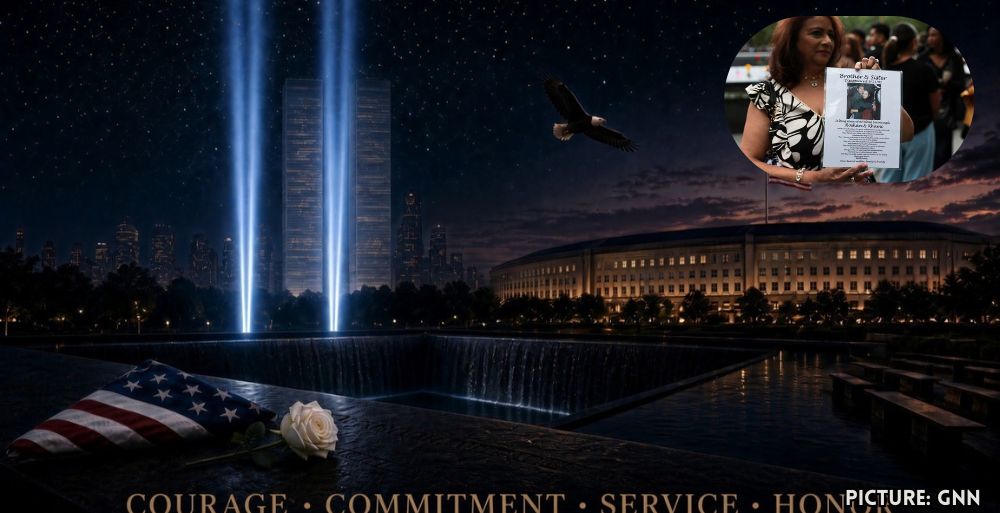
As the United States marks the 25th anniversary of the September 11 attacks, former FBI agent Ali Soufan argues that the failures leading to the tragedy were rooted not in a lack of imagination but in a profound failure of trust within the intelligence community.
September 11, 2026 – On the 25th anniversary of the September 11 terrorist attacks, Ali Soufan, a former FBI special agent, reflects on the critical failures that contributed to one of the most devastating moments in American history. In a compelling critique, he challenges the narrative established by the 9/11 Commission Report, which posited that the attacks resulted from a ‘failure of imagination.’ Instead, Soufan asserts that the real issue was a ‘failure of trust’ among U.S. intelligence agencies, a problem that has persisted and evolved in the years since.
Historical Context and Pre-Attack Warnings
In the months leading up to the tragic events of September 11, 2001, there were numerous indicators signaling al-Qaeda’s intent to launch a significant attack on American soil. Soufan highlights a pivotal presidential daily briefing from August 6, 2001, which contained the alarming header: ‘Bin Ladin Determined to Strike in US.’ This briefing was one of at least 36 instances that year where U.S. intelligence reports mentioned Osama bin Laden or al-Qaeda. Despite these warnings, the intelligence community failed to unify its efforts to thwart the impending danger, leading to the deaths of nearly 3,000 individuals and a seismic shift in American foreign policy.
Drawing upon his extensive experience in counter-terrorism investigations—including the USS Cole bombing and the September 11 attacks—Soufan emphasizes that the primary obstacle to preventing the tragedy was a pervasive lack of inter-agency trust. He explains that intelligence agencies often withheld vital information from one another, resulting in a fragmented response to the growing threats posed by al-Qaeda. This culture of secrecy and competition among agencies undermined their collective ability to respond effectively to the imminent danger.
Post-9/11 Reforms: Progress and New Challenges
In the aftermath of September 11, 2001, the U.S. government initiated significant reforms aimed at addressing the systemic failures that contributed to the attacks. The establishment of the Department of Homeland Security (DHS) and the enactment of the USA PATRIOT Act were key components of a broader strategy to enhance national security and promote better information sharing among intelligence agencies. These reforms aimed to dismantle the silos that had previously hampered collaborative efforts in counter-terrorism.
However, Soufan cautions that while these reforms have led to some improvements in intelligence sharing, they have also given rise to new and more complex failures of trust within the current security landscape. Today, U.S. intelligence agencies face an array of evolving threats, including cyberterrorism and the rise of domestic extremism. The effectiveness of these agencies in combating such challenges hinges on their ability to collaborate and share information in a timely manner. Soufan’s analysis raises pressing concerns about the current state of inter-agency communication and the potential for significant gaps in threat recognition and response.
The Ongoing Implications for National Security
The implications of these persistent trust issues extend beyond historical reflection; they are crucial for understanding how the United States can better prepare for future threats. Soufan’s insights call for a comprehensive reevaluation of not only existing policies but also of the cultural attitudes that shape intelligence work. The contemporary threat landscape is marked by complexities that demand a unified approach, emphasizing the necessity for transparency and collaboration among agencies.
As the nation commemorates the lives lost on that fateful day, the conversation surrounding intelligence, trust, and effective collaboration remains increasingly relevant. The ongoing challenges faced by the intelligence community serve as a stark reminder of the delicate balance between necessary secrecy to protect national security and the openness that can enhance effective counter-terrorism efforts.
Ultimately, as Soufan articulates, addressing these failures of trust is not merely an issue of institutional reform but requires a transformative cultural shift within the intelligence community itself. For the United States to safeguard its citizens against future threats, intelligence agencies must foster an environment where they can communicate effectively and share information without fear of reprisal or inter-agency rivalry. This cultural evolution is essential not only for enhancing operational effectiveness but also for restoring public confidence in the nation’s ability to respond to emerging threats.
As America continues to confront the ramifications of the September 11 attacks, the need for an evolved and cohesive intelligence framework remains paramount. The lessons learned from past failures must inform both current practices and future strategies, ensuring that the tragic events of 2001 are not repeated. A commitment to transparency, trust, and collaboration within the intelligence community will be vital in navigating the complex landscape of modern security threats.