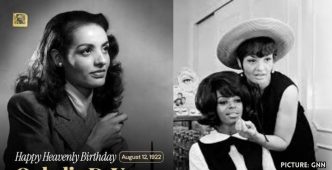
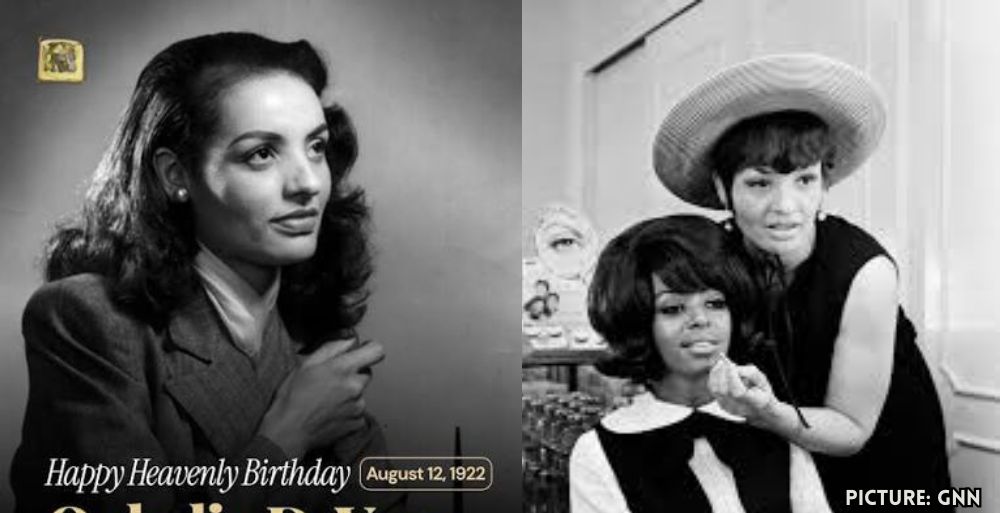
A closer look at the contributions of Ophelia DeVore, America’s first Black model, reveals her significant yet overlooked impact on New York Fashion Week and the broader fashion industry, highlighting issues of representation and historical memory.
In a revealing exploration of fashion history, the legacy of Ophelia DeVore, recognized as America’s first Black model, has emerged as a pivotal yet often overlooked chapter in the story of New York Fashion Week. DeVore, who passed away in 2014 at the age of 92, was instrumental in pioneering diverse runway shows in Bryant Park as early as 1969. Her contributions to the fashion industry are becoming increasingly relevant as discussions of diversity, equity, and inclusion (DEI) take center stage.
DeVore’s Pioneering Role
DeVore’s influence on the fashion landscape is encapsulated by a striking black velvet evening gown she wore in 1961, which is now part of the Smithsonian Institution’s National Museum of African American History and Culture. The gown, adorned with gold sequins and geometric embroidery, serves as a symbol of the groundbreaking work DeVore accomplished in promoting Black talent in fashion. The museum’s display notes that DeVore created innovative fashion shows in Bryant Park that featured multicultural models walking the runway, which attracted the attention of white marketers who later formalized these shows into what we now recognize as New York Fashion Week.
However, details surrounding these historical claims remain vague. The museum’s media specialist was unable to provide specific information regarding the years, models, designers, or marketers involved in these events. This lack of clarity raises questions about the historical narrative surrounding the origins of New York Fashion Week and the contributions of Black individuals like DeVore.
Historical Context and Cultural Amnesia
Despite DeVore’s significant contributions, she is not mentioned in the two obituaries published by The New York Times or in the summary of her life provided by Emory University, where her personal archives are housed. Additionally, her accomplishments were notably absent from The Color of Beauty, a biography detailing her life, and have only received fleeting mention in major fashion publications such as Vogue. This trend of cultural amnesia mirrors the broader pattern of neglecting Black achievements in various fields, as highlighted by Gabrielle Dudley, an archivist at Emory specializing in the Civil Rights Era.
“In the Black fashion community, it was something that was very much looked forward to,” Dudley noted regarding DeVore’s shows. “But the historical context is that this was an era where Black people were breaking barriers almost every day.” DeVore’s efforts to create a platform for Black models and designers reflected a larger movement within the fashion industry to embrace diversity, yet the recognition of her contributions often remains muted.
The Fashion Shows at Bryant Park
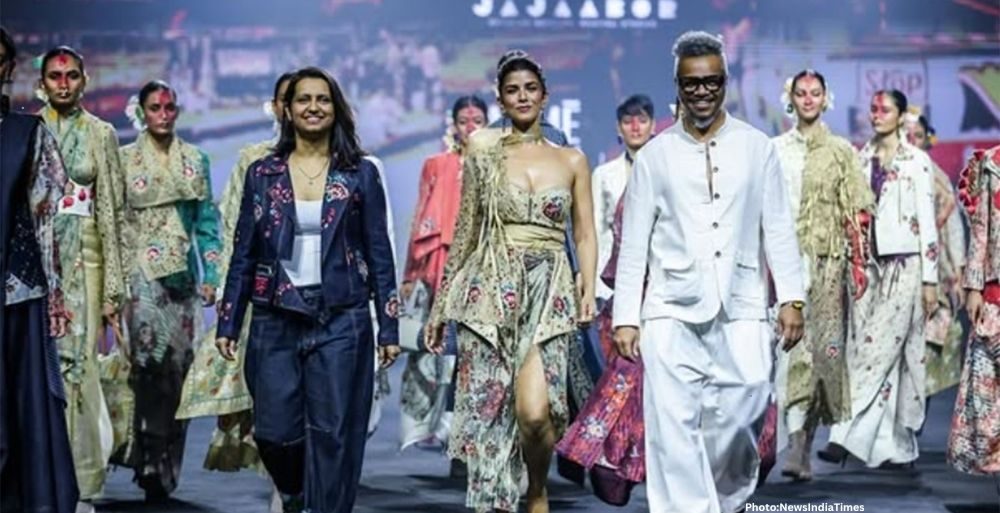
As early as 1969, DeVore was organizing runway shows in Bryant Park that The Amsterdam News labeled “fashion extravaganzas.” These events featured a diverse array of models and garments contributed by major manufacturers and designers. A 1970 article noted that the shows included both adult and child models from various ethnic backgrounds, showcasing the vibrancy and talent present in the Black fashion community. Yet, even within the Black community, there seems to be a tendency to overlook these historical contributions, as evidenced by the lack of coverage in DeVore’s obituary.
DeVore’s daughter, Carol, recalls these groundbreaking shows fondly, emphasizing how they were designed to inject excitement into the fashion scene and provide representation for Black models. “The fashions we had were very unique,” Carol stated, reflecting on how these events offered a platform for styles that were otherwise absent from mainstream fashion.
Challenges and Triumphs
Throughout her career, DeVore faced numerous challenges, including a devastating car accident in 1952 that left her with severe injuries. Despite this setback, she continued to advocate for greater representation in fashion, signing contracts from her hospital bed during her recovery. Her resilience and determination underscore the significant barriers she overcame in the male-dominated fashion industry. By 1955, DeVore was hosting ABC’s Spotlight on Harlem, marking a significant milestone in representation for Black Americans in media.
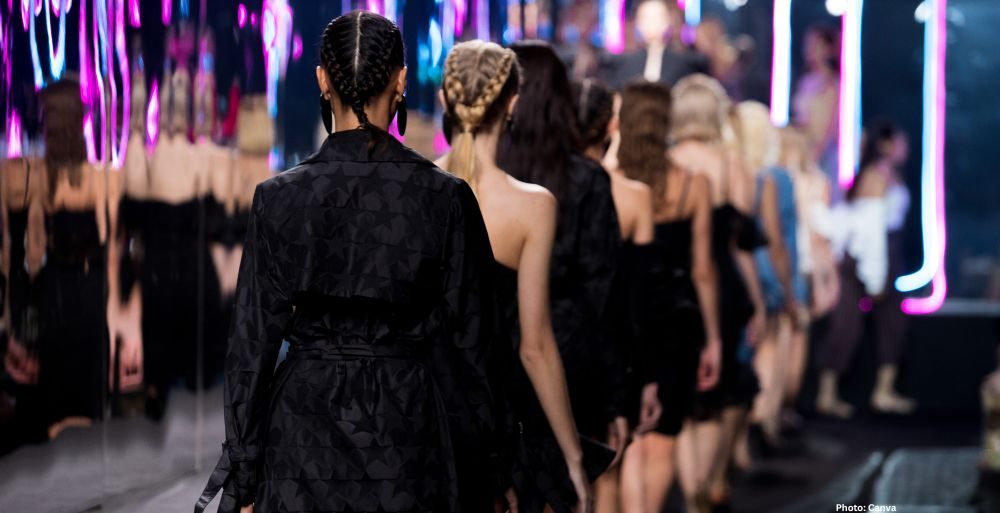
The evolution of Fashion Week itself can be traced back to various milestones, including the first recognized fashion show in America held in 1903. However, the formalization of these events into a citywide tradition was largely devoid of the Black community’s influence until DeVore’s shows began to attract attention in the 1960s. The lack of acknowledgment of DeVore’s role in this evolution points to a broader issue of historical representation and the ongoing struggle for Black voices within the fashion industry.
Legacy and Continuing Influence
DeVore’s legacy continues to inspire new generations of fashion professionals and academics. Emory University’s possession of her archives has led to the development of courses focused on Black Beauty and the power of self-love, prompting students to engage with her story in meaningful ways. As Dudley remarked, the lasting impact of DeVore’s work is evident in the ongoing discussions and academic pursuits inspired by her life.
In a world where the fashion industry often grapples with issues of exclusivity and representation, DeVore’s philosophy stands out: “There was no such thing as an ugly person, only a lazy one.” Her commitment to elevating Black individuals within the fashion world and beyond serves as a reminder of the importance of inclusivity and recognition in shaping cultural narratives.
As discussions about representation in fashion continue to evolve, the contributions of pioneers like Ophelia DeVore must be acknowledged and celebrated. Her life’s work has paved the way for greater diversity within the industry, and her story remains a crucial part of the ongoing dialogue about the intersection of race and culture in fashion.