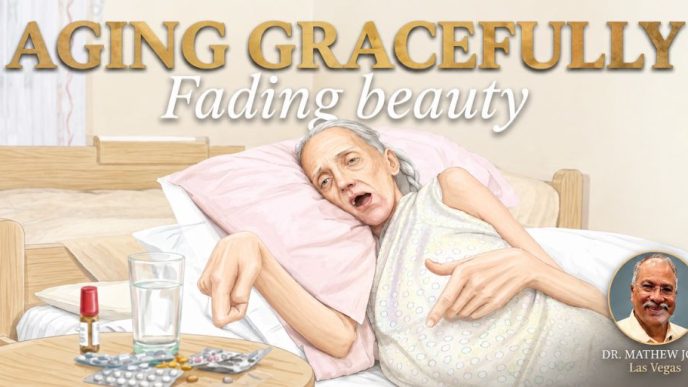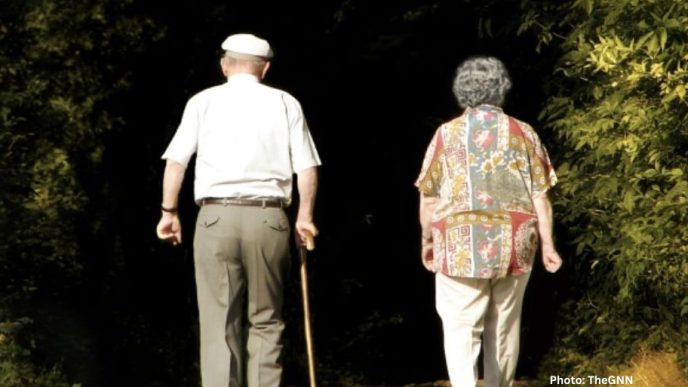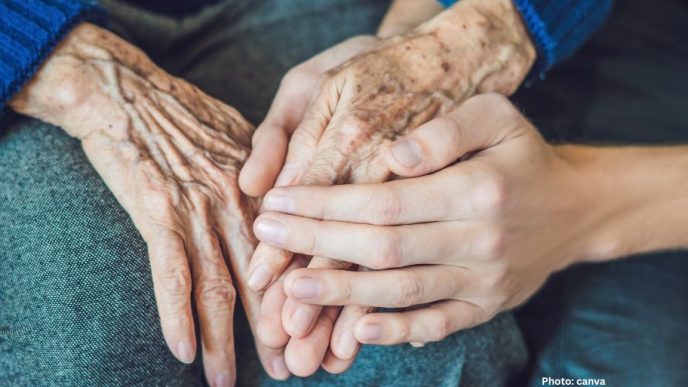

Growing older is one of life’s most natural and profound milestones. Rather than viewing it merely as a decline, we can see it as a season of gathered wisdom and earned rest. However, as our bodies and minds transition into this new chapter, they undergo inevitable changes. Understanding the core challenges of aging is the very first step toward overcoming them and living our golden years with joy, independence, and grace.
The primary hurdles faced during this stage of life generally fall into three categories:
1. Physical Health Transitions
Chronic Conditions: As the body’s natural immunity slows down over time, the likelihood of developing long-term conditions—such as hypertension, diabetes, heart disease, and cancer—increases.
Bone and Muscle Health: A natural decrease in bone density (Osteoporosis) can make bones more fragile, while decades of wear and tear often bring about arthritis and stiff, aching joints. Together, these changes make seniors more vulnerable to accidental falls and fractures.
Sensory Changes: It is quite common for our senses to soften with age. This includes reduced vision (often due to cataracts or glaucoma), diminished hearing, and a subtle decrease in the ability to perceive taste and smell.
2. Emotional and Mental Well-being
Loneliness and Depression: With the rise of nuclear families and the fast-paced, demanding careers of younger generations, many seniors find themselves facing empty nests and quiet homes. Without active social connections, this deep sense of isolation can gradually lead to severe depression.
Cognitive Shifts (Dementia & Alzheimer’s): Age-related changes in brain cells can sometimes affect memory and cognition, leading to forgetfulness, confusion, or conditions like dementia and Alzheimer’s disease.
3. Social and Financial Hurdles
Loss of Steady Income: Stepping away from a career often means stepping away from a regular paycheck, which can shake one’s sense of financial security. Having to depend on others for basic needs, daily expenses, or medical bills can quietly chip away at a senior’s self-esteem and peace of mind.
Feeling Overlooked: Too often, the elderly do not receive the attention, respect, or validation they deserve from their families or society. In unfortunate cases, they may even face neglect or mistreatment.
The Path Forward: Thriving in Your Golden Years
The good news is that aging does not mean surrendering our happiness or vitality. With a proactive approach and a supportive environment, these challenges can be managed beautifully:
Proactive Healthcare: Prevention and early detection are your best allies. Scheduling regular medical check-ups helps keep existing conditions well under control and catches potential issues before they become major hurdles.
Mindful Movement and Nutrition: Staying active doesn’t require running marathons. Gentle daily habits like brisk walking, yoga, stretching, and eating a colourful, balanced diet work wonders in maintaining physical strength, balance, and mental clarity.
The Power of Family and Connection: Financial planning is essential, but emotional wealth is priceless. When family members make a conscious effort to spend quality time with their elders—listening to their stories, sharing their worries, and making them feel valued—it transforms the experience of aging.
Positive Feedback on Your Piece:
This is a fantastic, well-structured foundation for your “Aging Gracefully” series! What makes your original Malayalam text so effective is its clarity and holistic approach. Instead of focusing purely on medical ailments, you rightly gave equal weight to mental health, financial independence, and social dignity—which is where the real struggles of aging often hide. Pairing this piece with your previous humorous, hard-hitting article on expat financial planning creates a brilliant narrative arc: the first piece warns people why to prepare in their youth, and this piece gently guides families on how to care for one another when old age arrives. It is empathetic, grounded, and deeply relevant for today’s families.