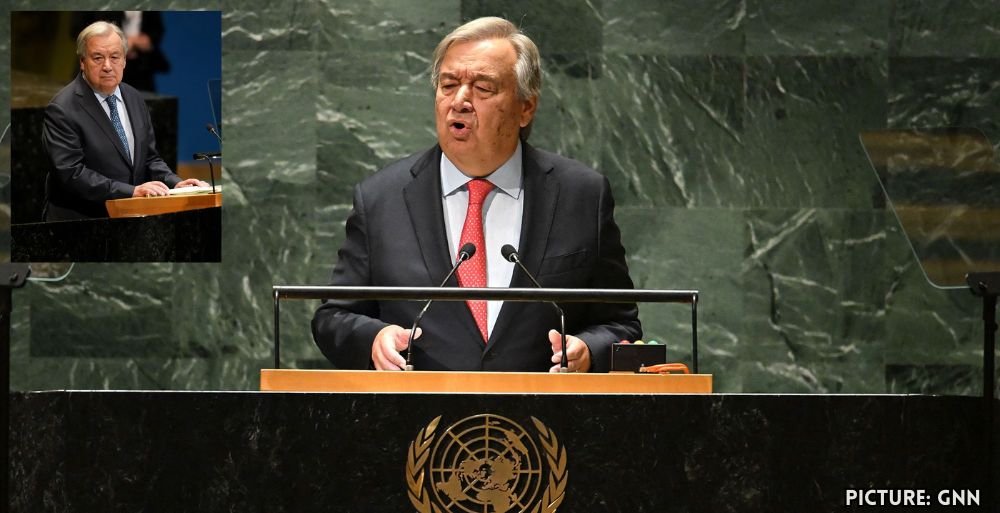
In a recent interview, UN Secretary-General Antonio Guterres expressed deep concern over the paralysis of the Security Council, emphasizing the need for reform and highlighting various global conflicts as critical challenges facing international leadership.
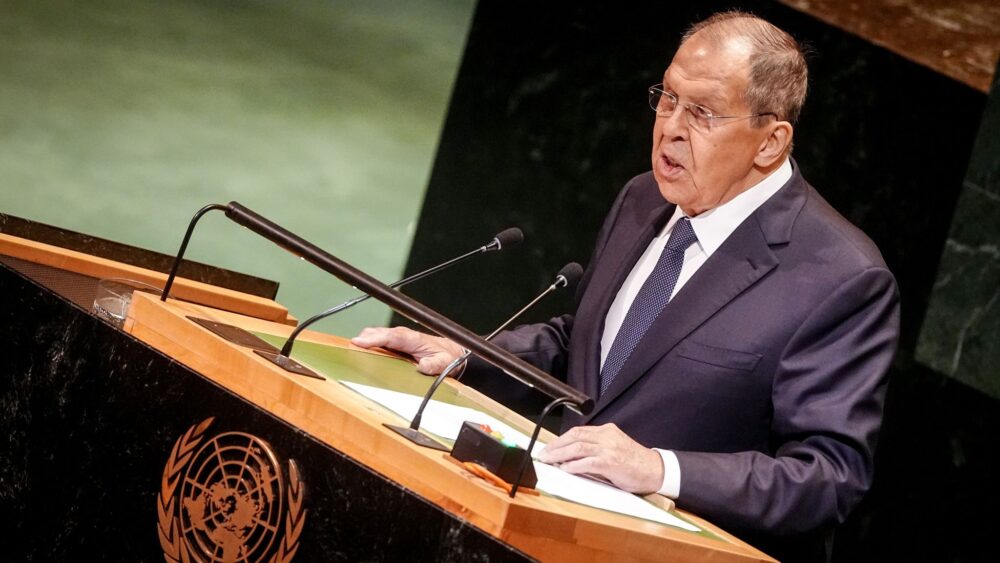
UNITED NATIONS – In an exclusive interview conducted on September 12, 2026, during the BRICS summit in New Delhi, United Nations Secretary-General Antonio Guterres articulated urgent criticisms of the UN Security Council, describing it as “paralyzed” and indicating that the world’s superpowers have failed to recognize the limits of their influence. This statement marks one of Guterres’s most pointed assessments of the current state of global governance, where he sees a culture of “impunity” and divisiveness undermining effective leadership on pressing international issues.
Context of the Interview
Guterres, who is set to conclude his term at the end of 2026, used the platform to address a variety of critical topics. His remarks come at a time when the UN faces increasing scrutiny over its ability to respond to global crises, including ongoing conflicts in the Middle East and the impacts of the Russia-Ukraine war. The Secretary-General’s reflections on these matters underscore the urgent need for reforms within the Security Council to enhance its functionality and restore its credibility.
Concerns Over Global Conflicts
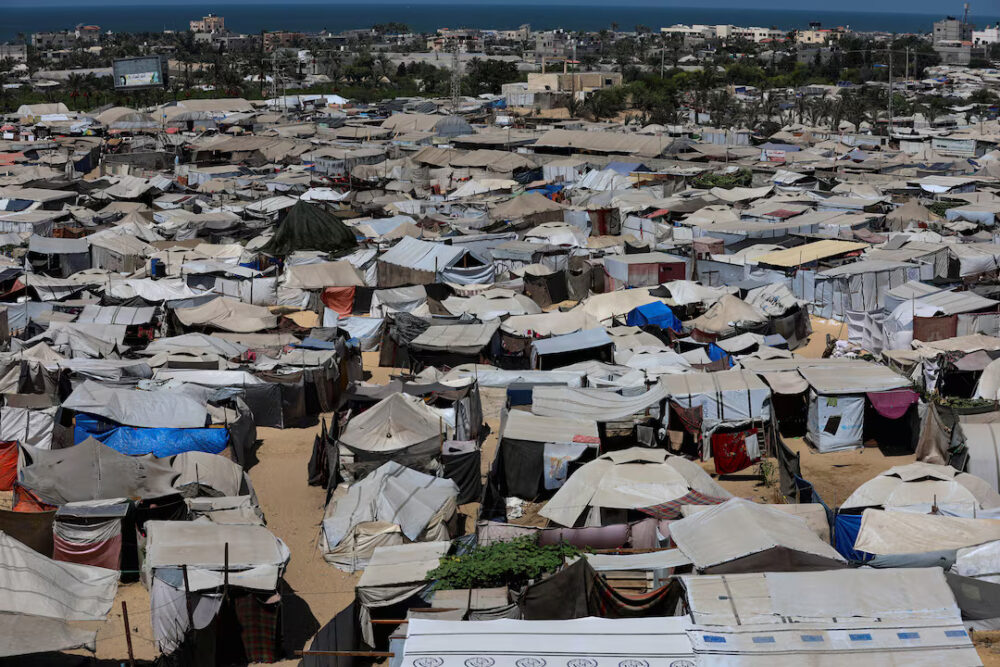
Among the issues discussed, Guterres highlighted the escalating violence in Gaza and the broader ramifications of the West Asia conflict. He noted that the humanitarian situation in Gaza has reached a critical point, with reports indicating significant civilian casualties and widespread destruction. In his view, the lack of decisive action from the Security Council in addressing such conflicts has exacerbated the crises, leading to a perception of ineffectiveness on the part of the UN. Guterres stated, “The people of Gaza deserve peace and security, and the international community must come together to provide a solution that respects human rights and international law.”
On UN Reform and Leadership Transition
Guterres also addressed the pressing need for UN reform, arguing that a more representative and effective Security Council is essential for addressing contemporary global challenges. He pointed out that the current structure often reflects outdated power dynamics that do not account for the changing geopolitical landscape. “We need a Security Council that is fit for purpose, one that can respond to the needs of today’s world rather than yesterday’s realities,” he remarked.
As Guterres prepares to step down, he expressed hope for a smooth transition for his successor, emphasizing the importance of continuity in leadership to navigate the complex international environment. He noted that the next Secretary-General will face significant challenges, including ongoing conflicts and the urgent need for global cooperation on issues like climate change and economic inequality.
International Response to Current Events
In addition to discussing reforms, Guterres shed light on India’s role in the ongoing Russia-Ukraine conflict. He praised India’s diplomatic efforts and its call for dialogue as a means to de-escalate tensions. This perspective aligns with India’s broader strategy of advocating for a multipolar world where power is distributed more equitably among nations.
Furthermore, Guterres addressed the recent controversy surrounding a proposed UN resolution regarding the world’s geopolitical map, which has sparked significant debate among member states. He emphasized that any resolution should strive for consensus and reflect the realities on the ground while upholding the principles of the UN Charter.
The Broader Implications of Guterres’s Statements
The Secretary-General’s remarks resonate with a growing sentiment among member states and analysts who argue that the UN must evolve to meet the demands of a rapidly changing global landscape. With major powers often at odds, the challenge remains to foster dialogue and cooperation in addressing critical issues such as security, humanitarian crises, and sustainable development.
As the 76th session of the UN General Assembly approaches, the focus will likely intensify on the need for structural reforms within the UN system. Guterres’s tenure has been marked by a commitment to multilateralism and a call for collective action, themes that will undoubtedly continue to shape discussions in the coming months.
In summary, Guterres’s candid reflections on the limitations of the Security Council and the urgent need for reform highlight the pressing challenges facing global governance today. As he prepares to leave office, the implications of his observations will likely reverberate throughout international discussions on how best to navigate an increasingly complex world.