The Pentagon’s recent update to its casualty database reveals a total of 18 U.S. troops killed and 624 wounded since the start of hostilities with Iran, raising questions about the classification of military operations under the War Powers Act.
The Pentagon’s Defense Casualty Analysis System (DCAS) underwent a significant update over the weekend, including the addition of more than 140 wounded service members and the introduction of a new casualty category titled “Overseas Operations” for personnel killed and wounded since July 7. This update has brought attention to the ongoing U.S.-Iran conflict, particularly in light of the renewed hostilities that resumed on July 6, following the collapse of a ceasefire agreement.
According to the updated figures, the total toll from the earlier phase of the conflict, designated as Operation Epic Fury, now officially stands at 14 service members killed and over 400 wounded in action. These revised numbers represent a notable change from earlier reports, which indicated 18 deaths and 482 wounded just days prior to the update. The discrepancy in casualty figures has prompted questions from lawmakers and military analysts regarding the Pentagon’s reporting practices and the implications of these changes.
Context of the U.S.-Iran Conflict
The conflict with Iran, which officially began with military operations on February 28, has become increasingly complex, particularly regarding the legal framework governing U.S. military actions. The War Powers Act of 1973 mandates that the President must conclude military operations within 60 days unless Congress grants an extension. Following an April ceasefire agreement with Iran, the Trump administration has argued that this agreement paused the timeline for the conflict, thus allowing for a fresh casualty count to commence from July 7.
This interpretation raises significant legal and political questions. By seeking to classify the renewed military campaign as distinct from Operation Epic Fury, the administration may be attempting to navigate the constraints imposed by the War Powers Act. If this separation is accepted, it could allow for continued military action without the need for immediate congressional oversight or approval. However, this strategy has drawn criticism from lawmakers across party lines, who question the legality of the administration’s actions.
Political Reactions and Criticism
Republican Representative Thomas Massie of Kentucky has publicly criticized the Pentagon’s updated casualty figures. In a post on social media platform X, Massie stated, “Let me explain this absurd ruse: The Pentagon is pretending there have been two Iran wars separated by a brief cease-fire. The reality: By going more than 90 days without congressional authorization, the defense secretary, Pete Hegseth, is breaking the law and must be held accountable.” His comments reflect a broader concern among lawmakers regarding the administration’s adherence to established legal frameworks governing military engagement.
In addition to Massie’s critique, multiple lawmakers have expressed skepticism regarding the administration’s approach to the War Powers Act timeline. The implications of these discussions are significant, as they highlight ongoing tensions between the executive branch and Congress concerning military authority and oversight. As military actions continue, the scrutiny of the administration’s decisions is likely to increase.
Recent Casualty Reports
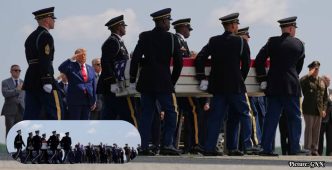
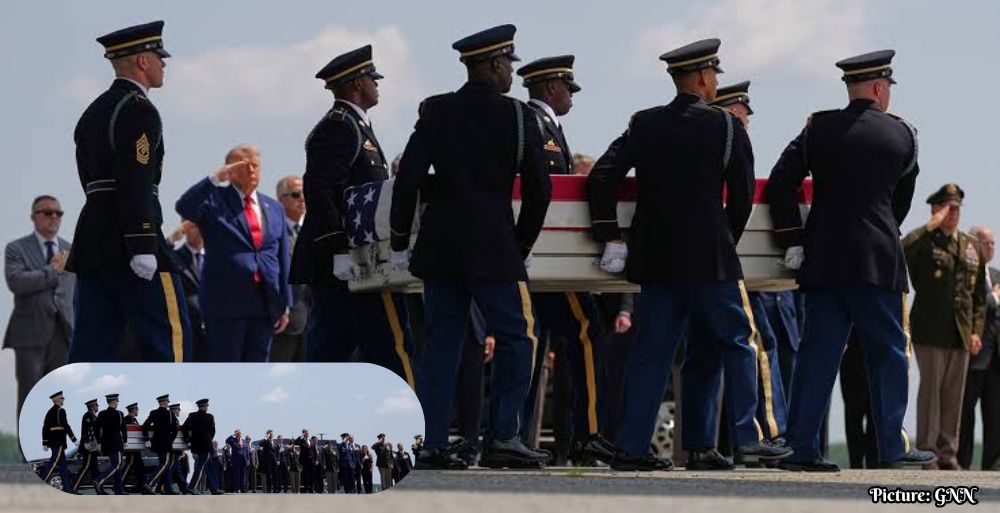
In conjunction with the updated casualty statistics, the Pentagon’s online list of service members killed in the Iran conflict did not include the names of four soldiers who died during the renewed fighting over the weekend. However, these names were listed in a Pentagon press release announcing the formal transfer of their remains back to the U.S. This inconsistency has further fueled debate over the accuracy and transparency of the Pentagon’s reporting practices and has raised concerns among families of service members regarding the treatment of casualty data.
As of now, the updated figures indicate that since the commencement of military operations against Iran on February 28, a total of 18 U.S. troops have lost their lives, with 624 others wounded. The recent escalation in hostilities, marked by near-daily airstrikes, has intensified scrutiny of U.S. military engagement in the region, raising questions about the legal frameworks that govern such operations.
Future Implications
The ongoing debate surrounding the Pentagon’s updated casualty counts and the classification of military operations underscores broader implications for U.S. foreign policy and military engagement in the Middle East. As lawmakers continue to voice their concerns regarding the administration’s interpretation of the War Powers Act, critical questions arise about oversight, accountability, and the future of military operations in Iran.
The situation emphasizes the importance of accurate reporting and transparency in military operations, especially for public accountability and for maintaining trust among service members and their families. As the conflict evolves and the administration’s strategies are scrutinized, the ramifications of these decisions will continue to resonate within both domestic and international contexts. The need for clarity regarding U.S. military actions remains paramount, particularly as the potential for further escalation looms.