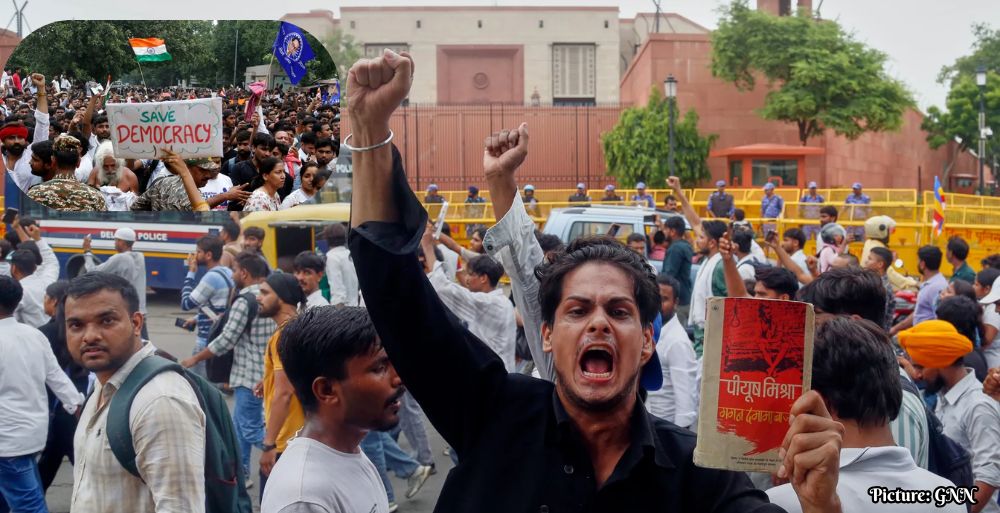
The recent protests by students in New Delhi underscore deep frustrations regarding educational fairness and access in India, reflecting broader societal issues of merit and opportunity.
NEW DELHI — Thousands of students took to the streets of New Delhi this week in a significant demonstration against perceived injustices in the country’s competitive examination system. The protests, which erupted following allegations of irregularities in key entrance exams, are rooted in the students’ demands for fairness and integrity in an educational framework that many believe is crucial to their future.
The drive for education in India is intensely competitive, particularly for students aspiring to enter medical and engineering colleges. Many young people dedicate years of rigorous study, often attending coaching classes and sacrificing personal time, in hopes of securing a place in these prestigious institutions. According to educational statistics, over 1.5 million students compete for approximately 300,000 seats in Indian engineering colleges each year, highlighting the fierce competition and pressure faced by these individuals.
Student Sacrifices and Parental Support
The sacrifices made by students are often mirrored by their families, who invest heavily in their education. Parents across India frequently incur significant debts, sell assets, or deplete savings to finance their children’s academic pursuits. This phenomenon is particularly evident in lower and middle-income families, where the hope of educational success represents the primary pathway out of poverty. The emotional and financial stakes are high, as many parents prioritize their children’s education over their own comfort or security.
“We are not merely reacting to a single exam,” one student protester stated. “We are standing up for years of hard work and the belief that merit should be rewarded.” This sentiment encapsulates the frustrations of many students who feel that their dedication is being undermined by systemic failures.
The Role of Trust in Public Institutions
The integrity of the examination process is not just a matter of academic fairness; it represents a broader societal contract between the government and its citizens. When students question the fairness of the system, they are also challenging the fundamental belief that hard work and integrity will yield positive outcomes. “A nation cannot ask its youth to believe in hard work while allowing doubts to linger over the fairness of the very system that judges them,” remarked a local educator, echoing concerns raised by the protesters.
The protests reflect a wider disillusionment with public institutions, as students and parents alike express concerns that opportunities are increasingly dictated by privilege and connections rather than merit. This growing skepticism can have profound implications for the social fabric of the nation, with potential long-term consequences for trust in government and civic engagement.
Political Context and Responses
The current climate of unrest has not gone unnoticed by political leaders. Critics of the government have pointed to the protests as evidence of a failure to address the legitimate grievances of young people. Some politicians argue that the administration has been too focused on identity politics, diverting attention away from pressing issues of educational equity and access.
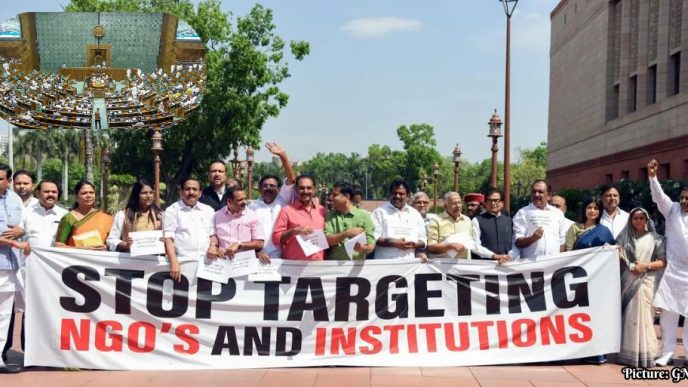
In response to the protests, the Delhi Police reportedly employed crowd control measures that some activists claim were excessive. Reports of physical confrontations between students and law enforcement have raised concerns about the government’s willingness to engage with youth demands for justice and accountability. “What we are witnessing is not just a protest; it is a call for recognition and respect for the aspirations of our youth,” stated a student leader during a rally.
The Future of Educational Equity
The protests in New Delhi are emblematic of a larger struggle for educational justice in India. As students continue to voice their concerns, the need for systemic reform becomes increasingly urgent. Many advocates argue that addressing these issues is vital not only for the current generation of students but for the future stability and prosperity of the nation as a whole.
“Ignoring the dreams of our youth is a risk for our democracy,” one educator warned. “The strength of our nation lies in our ability to nurture the aspirations of young people.” The outcome of the ongoing protests may very well shape the landscape of educational policy and public trust in India for years to come.
The response to this movement will likely be scrutinized closely, as it not only reflects the government’s stance on education but also its commitment to democratic principles. A failure to engage constructively with the concerns raised by these young individuals could lead to greater discontent and a deeper fracture within society.
Conclusion: A Moment of Reckoning
As the protests unfold, they serve as a poignant reminder of the aspirations of a generation that demands justice and equity. History teaches us that the pursuit of freedom, dignity, and justice cannot be suppressed indefinitely. The unfolding narrative in New Delhi may indeed be a turning point, one that calls for reflection on how society values and supports its youth. The coming days will be crucial in determining whether these voices are met with dialogue and reform or further repression.