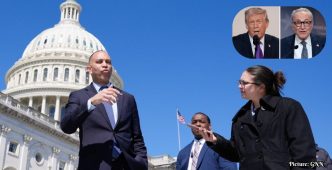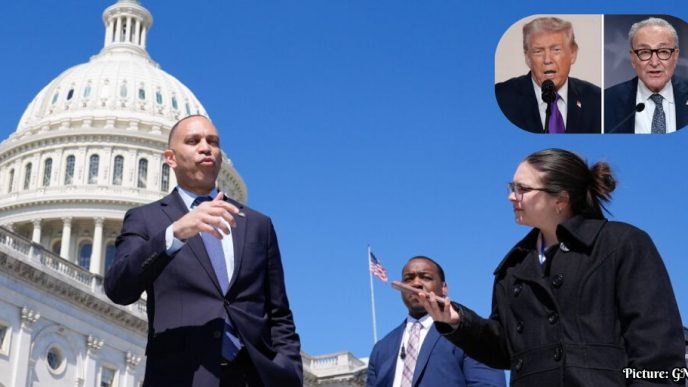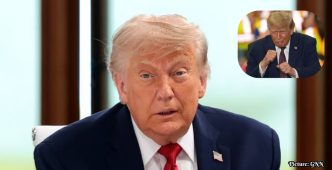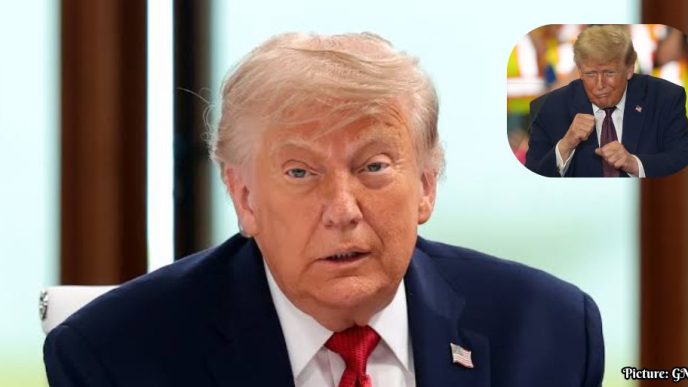
In response to President Donald Trump’s repeated assertions of widespread voter fraud in the 2020 election, Democratic leaders have expressed strong condemnation, arguing that these claims undermine public trust in the electoral process and threaten democratic institutions.
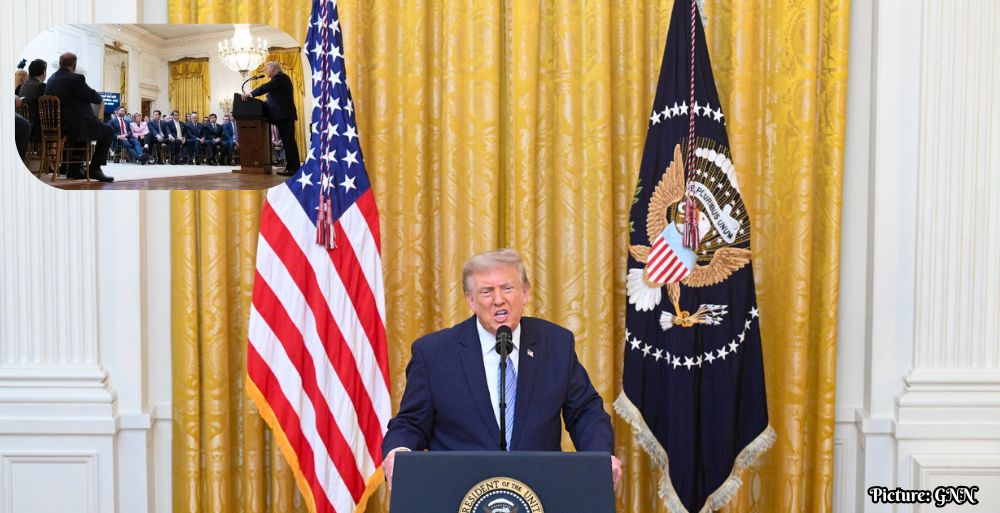
Former President Donald Trump, during a speech on Thursday evening, reiterated his unfounded claims that the 2020 presidential election was “stolen” from him, alleging involvement from the People’s Republic of China and Democratic-led states in a purported conspiracy to rig the election. His remarks have elicited a rapid and unified reaction from Democratic lawmakers, who have characterized these assertions as harmful to American democracy.
Strong Reactions from Democratic Leaders
Rep. Jim McGovern (D-Mass.), the leading Democrat on the House Rules Committee, labeled Trump’s assertions as “bulls—” in a statement shared on social media prior to the speech. This sentiment reflects a broader frustration among Democrats, who argue that Trump’s continued promotion of discredited election fraud theories is not only baseless but also detrimental to the integrity of future elections.
In a coordinated effort to address these claims, all 24 Democratic governors issued a joint statement describing Trump’s allegations as “deeply alarming.” They emphasized that “no amount of lies and conspiracy theories can change the fact that our country’s elections have repeatedly been proven to be safe and secure.” The governors pledged to “fight back against the Trump administration and stop any and all unlawful attacks on every American’s constitutional right to vote,” underscoring their commitment to protecting electoral integrity and maintaining public confidence in the democratic process.
Senators Express Embarrassment and Criticism
Virginia Senator Mark Warner (D), who serves as the vice chair of the Senate Select Committee on Intelligence, expressed embarrassment regarding Trump’s claims during an interview with MS NOW’s Jen Psaki. “As an American, I’m embarrassed,” Warner stated, criticizing the president for perpetuating falsehoods that could further undermine public confidence in the electoral system. His comments reflect a growing concern among lawmakers about the potential long-term impacts of such rhetoric on American democracy.
Senate Minority Leader Chuck Schumer (D-N.Y.) went further, referring to Trump’s address as a “pathetic attempt” to deny his electoral defeat. Schumer noted, “Trump knows he has lost American families. He knows he has made their lives more expensive, endangered their friends and families with an unnecessary war, and embarrassed the country on the global stage.” He accused Trump of attempting to manipulate the narrative surrounding the upcoming midterm elections, asserting, “We won’t let him.”
Legislative Context and Concerns
In addition to condemning Trump’s rhetoric, Senator Chris Coons (D-Del.) criticized the former president for allegedly throwing a “temper tantrum” against Republican lawmakers who have resisted supporting his legislative priority, the Safeguard American Voter Eligibility Act. This proposed bill seeks to impose new identification requirements for voter registration and voting, a move that Democrats have widely criticized as a form of voter suppression. Coons expressed hope that Republicans would not buckle under pressure from the Trump administration to support the legislation, stating, “This is all part of President Trump’s campaign to federalize elections, to prevent mail-in ballots, and to control elections in a way that gives him a better chance of not losing the midterms, which currently he’s on target to do.”
Calls for Accountability and Continued Engagement
Senator Raphael Warnock (D-Ga.), whose state has been a focal point of Trump’s allegations regarding voter fraud, urged voters to remain engaged following the president’s speech. Warnock highlighted the critical role Georgia played in the 2021 elections, stating, “Georgia saved the country in 2021. Donald Trump can’t get over it. His feelings are deeply hurt, even though he won in 2024.” He emphasized the importance of accountability as the midterm elections approach, asserting, “We’re going to hold them accountable again.”
In a separate social media post, Warnock mockingly suggested that Trump should seek professional help for his obsession with the 2020 election, remarking, “This is something to work through with a therapist. Leave the people of Georgia and the country out of it.” Such comments underscore a growing frustration among Democrats regarding Trump’s persistent focus on the past election and the implications of his rhetoric for future electoral processes.
Implications for the Midterm Elections
As the political landscape continues to evolve, the implications of Trump’s claims and the Democratic response are likely to play a significant role in shaping the discourse leading up to the midterm elections. With both parties gearing up for a contentious electoral process, issues surrounding electoral integrity and voter suppression are poised to become central themes. The Democratic Party’s unified stance against Trump’s allegations highlights a strategic effort to counter his influence and mobilize their base ahead of the November elections.
In the broader context, Trump’s ongoing assertions about election fraud not only challenge the legitimacy of past electoral outcomes but also set a precedent for how future elections may be contested. The Democratic leaders’ responses reflect their intent to protect the electoral process while also addressing the concerns of their constituents about the potential for voter suppression and the integrity of the democratic system.
As the midterms approach, the dialogue surrounding these issues will likely intensify, with both parties aiming to galvanize support and navigate the increasingly polarized political environment. The responses from Democratic lawmakers indicate a commitment to defending electoral integrity and ensuring that all eligible voters can participate in the democratic process without fear of intimidation or misinformation.