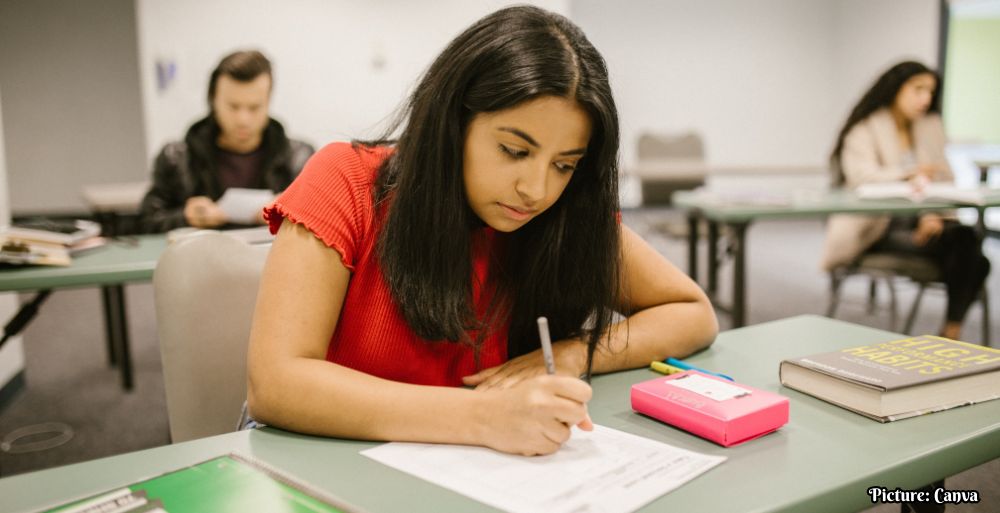
Recent failures in India’s National Eligibility cum Entrance Test (NEET) and Central Board of Secondary Education (CBSE) examinations have left approximately 4 million students facing uncertainty regarding their academic and professional futures.
NEW DELHI — A significant wave of anxiety has swept across India as nearly 4 million students are grappling with the repercussions of their recent failures in the National Eligibility cum Entrance Test (NEET) and the Central Board of Secondary Education (CBSE) examinations. These two critical assessments are pivotal for students aspiring to enter medical and higher education institutions, and the failures have raised alarms about the broader implications for the education system and the students’ future.
The NEET exam, which serves as the gateway for medical college admissions, experienced a staggering failure rate this year. Reports indicate that approximately 30% of candidates did not clear the exam, a marked increase from previous years. This has led to widespread concerns among students and parents alike, as the NEET score is often the deciding factor for admission into prestigious medical schools.
In tandem with the NEET results, the CBSE examination outcomes have also sparked discontent. The CBSE, responsible for conducting high school examinations across the country, reported that about 25% of students failed the Class 12 examinations. This high failure rate is particularly troubling given that these exams are crucial for students seeking higher education in various fields, including engineering, arts, and commerce.
Contextualizing the Crisis
The backdrop of this academic crisis is rooted in various systemic issues, including the ongoing impact of the COVID-19 pandemic on educational institutions. Many schools struggled to adapt to online learning, and the abrupt transition left gaps in knowledge for numerous students. The ramifications of these gaps are now being felt as students confront the high-stakes nature of NEET and CBSE examinations.
Furthermore, the assessment methods themselves have come under scrutiny. Critics argue that the testing format does not adequately reflect students’ comprehensive understanding of the subjects and may disproportionately disadvantage those from underprivileged backgrounds who lack access to quality educational resources. According to educational experts, reforms are necessary to ensure that examinations align better with students’ learning experiences.
Student Reactions and Future Implications
The emotional toll on students has been profound, with many expressing feelings of despair and hopelessness. “I studied hard for this exam and still failed. I don’t know what my future holds now,” said a distraught student from Delhi who wished to remain anonymous. This sentiment has been echoed across various social media platforms, where students are sharing their experiences and calling for reforms in the examination system.
In light of the current situation, parents are also voicing their concerns. Many are advocating for a re-evaluation of the examination structure and are demanding that authorities take accountability for the failures. “Our children deserve better. We need a system that supports them, not one that penalizes them,” remarked a parent during a recent protest organized by student groups seeking to address these educational challenges.
Government and Institutional Responses
Authorities, including the Ministry of Education, have acknowledged the situation and are reportedly considering measures to alleviate the stress on students. Proposals for alternative assessment methods are under discussion, with an emphasis on continuous evaluation rather than relying solely on high-stakes examinations.
As part of ongoing discussions, education officials have suggested implementing remedial programs for students who have failed, offering additional support and resources to help them prepare for future examinations. However, skepticism remains among stakeholders regarding the effectiveness and timely execution of these proposed solutions.
Moreover, the failures in NEET and CBSE have prompted a larger conversation about the state of education in India. As the nation aspires to be a global leader in education and innovation, the current crisis highlights the urgent need for reform in the assessment and educational methodologies employed across the country.
Conclusion
As the academic year progresses, the situation remains fluid, with millions of students facing an uncertain future. The challenges posed by the recent examination failures are a stark reminder of the complexities within India’s education system. Policymakers, educators, and communities must work collaboratively to ensure that the future of millions of students is not compromised by systemic failures. The path forward necessitates thoughtful dialogue, innovative solutions, and a commitment to fostering an educational environment where all students can thrive.