Iran has intensified military actions against US allies in the Gulf region, launching drone strikes on Kuwait’s International Airport and claiming to target US military facilities in Bahrain, as hostilities escalate amid stalled peace negotiations.
KUWAIT CITY, June 3, 2026 — In a significant escalation of tensions in the Gulf, Iran has launched drone and missile strikes against US allies, specifically targeting Kuwait and Bahrain. The Kuwait International Airport was forced to suspend operations due to severe damage from Iranian drone attacks, resulting in injuries to several individuals and at least one fatality.
According to reports from Kuwait’s civil aviation authorities, the airport’s T1 terminal was struck, prompting immediate flight suspensions and safety measures. Although flights have since resumed from a different terminal, disruptions remain as authorities assess the extent of the damage. The attacks occurred amidst a backdrop of increasing hostilities between Iran and US-backed forces in the region, exacerbating fears of broader conflict.
Details of the Attacks
The Iranian Revolutionary Guard Corps (IRGC) claimed responsibility for what it termed “retaliatory” strikes, asserting that these actions were in response to prior US military operations against Iranian assets. Iran’s state media reported that missiles were launched at the US Navy’s Fifth Fleet headquarters in Bahrain; however, US Central Command (CENTCOM) refuted those claims, stating that the missiles failed to reach their intended targets. CENTCOM confirmed that two missiles aimed at Kuwait were intercepted, and three missiles targeting Bahrain were also neutralized. They emphasized that no American personnel or assets were harmed during these incidents, reflecting the effectiveness of US defensive measures in the region.
This escalation is part of a broader pattern of military confrontations between Iran and the United States amid ongoing tensions over Iran’s nuclear program and regional activities. US Secretary of State Marco Rubio, addressing Congress, stated that the US blockade of the Strait of Hormuz was a necessary response to Iranian aggression, specifically citing Iran’s targeting of commercial shipping.
Iran’s Justification and Response
Iranian officials have accused Kuwait and Bahrain of facilitating US military operations against Iranian interests, labeling these countries as complicit in US aggression. An official statement from Iran’s Foreign Ministry condemned the use of regional territory for US military operations, underscoring that Kuwait and Bahrain share responsibility for the attacks on Iranian vessels. This marks a significant shift in Iran’s narrative, as it seeks to frame its military actions as defensive rather than aggressive.
In a stark warning, Mojtaba Khamenei’s adviser indicated that further US actions could result in a “deluge” of missile strikes, signaling Iran’s readiness to escalate its military response if provoked. The IRGC’s statement reflected Iran’s historical pattern of responding decisively to perceived threats, particularly from US forces in the region. This rhetoric is likely aimed at both domestic audiences and international observers, as Iran seeks to bolster its image of strength amidst economic challenges exacerbated by sanctions and military pressures.
Regional Reactions and Market Impact
The ongoing conflict has not only disrupted air travel but has also significantly impacted oil prices, which increased by over 1% in response to the renewed hostilities. Analysts note that geopolitical tensions in the Gulf are causing fluctuations in global oil markets, given that the Strait of Hormuz is a critical transit point for a significant portion of the world’s oil supply. The potential for further military engagement raises concerns about the stability of oil prices, which are already under pressure from global economic conditions.
In the aftermath of the attacks, Kuwait’s Ministry of Defense characterized the Iranian actions as “criminal aggression,” reflecting the heightened state of alert within the country. Citizens were advised to avoid areas of potential danger and to remain vigilant in light of ongoing military threats. As a result, the Kuwaiti government is likely to increase its military readiness and bolster cooperation with US forces in the region.
Stalled Peace Talks
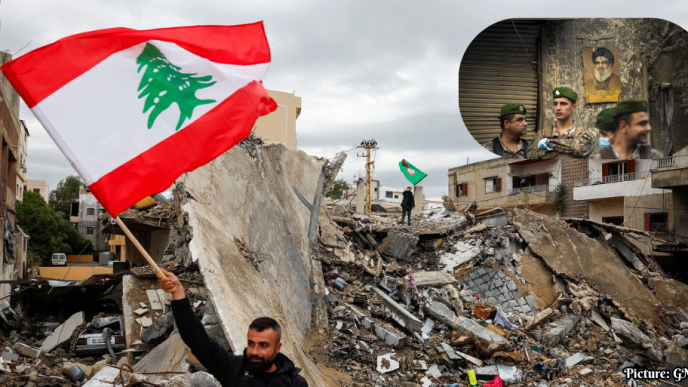
The renewed violence comes at a time when peace negotiations between the US and Iran have reportedly stalled. President Donald Trump has publicly disputed claims that talks have ceased, asserting that discussions are ongoing and have continued in recent days. However, Iranian officials have indicated a firm stance, demanding a ceasefire in Lebanon as a precondition for further negotiations. This insistence on a ceasefire highlights Iran’s strategy of leveraging regional conflicts to gain bargaining power in broader diplomatic discussions.
As both sides remain entrenched in their positions, the risk of further escalation looms large, with each military action potentially leading to more significant retaliations. The implications of these developments are profound, affecting not only regional stability but also global economic conditions as oil prices react to the uncertainty. The international community is closely monitoring the situation, with calls for restraint from various global actors concerned about the potential for a larger conflict.
As the situation evolves, the need for diplomatic efforts to de-escalate tensions is more critical than ever. The potential for a negotiated settlement that addresses the underlying issues between the US and Iran remains tenuous, with both sides displaying a lack of willingness to compromise. The ongoing military actions may further entrench divisions and complicate future negotiations, underscoring the urgency for a renewed commitment to dialogue in the region.