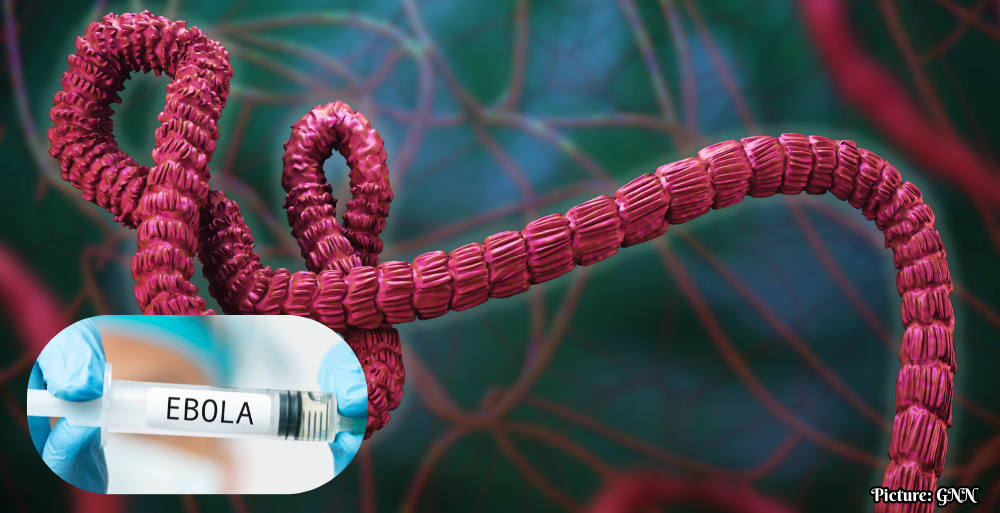
The World Health Organization has declared the current Ebola outbreak a public health emergency, prompting researchers from Oxford University to expedite vaccine development in partnership with the Serum Institute of India.
On May 17, 2023, the World Health Organization (WHO) declared the ongoing Ebola outbreak a public health emergency of international concern, highlighting the urgent need for effective interventions to combat the disease. This declaration comes amid rising case numbers and fatalities primarily in parts of Africa. In response, a team of researchers at the University of Oxford is accelerating their efforts to develop a vaccine, collaborating closely with the Serum Institute of India (SII), one of the world’s largest vaccine manufacturers.
Urgent Vaccine Development Efforts
Professor Teresa Lambe, who leads the Vaccine Immunology team at the Oxford Vaccine Group, announced during a virtual meeting that animal trials for the new vaccine candidate are underway. These trials are part of a broader international collaborative effort involving various partners aimed at addressing this pressing health crisis. Professor Lambe stated, “As for timelines, Serum Institute of India is an organization that goes far and fast. So we are hoping to have clinical-grade vaccine doses ready within two to three months.” This optimistic timeline underscores the urgency of the situation as researchers aim to deliver a viable vaccine promptly.
The Ebola virus is notorious for its high mortality rates, with past outbreaks in West and Central Africa resulting in thousands of deaths. Past research has shown that the Ebola Zaire vaccine, which is currently licensed, has been effective in controlling outbreaks. The new vaccine being developed by the Oxford team aims to be a single-dose solution, which could significantly simplify administration and increase vaccination rates in affected populations.
Collaboration with Serum Institute of India
The partnership with the Serum Institute of India is particularly significant due to the company’s extensive experience and capacity in large-scale vaccine production. Founded in 1966, SII is one of the largest vaccine producers globally, manufacturing over 1.5 billion doses annually. Their involvement in the project is expected to expedite the production and distribution processes, enabling quicker access to vaccines for vulnerable populations.
As global health continues to grapple with challenges, including the ongoing impacts of the COVID-19 pandemic, the urgent need for a reliable Ebola vaccine is more critical than ever. The collaboration between academic institutions and vaccine manufacturers exemplifies a proactive approach to dealing with public health emergencies through innovation and shared expertise.
Global Health Implications
The WHO’s declaration of a public health emergency emphasizes the seriousness of the current Ebola outbreak. Recent reports indicate that the outbreak has already resulted in numerous confirmed cases and fatalities across several countries. The emergence of this outbreak amid other public health challenges has intensified the urgency for effective vaccine solutions.
Vaccination is recognized as one of the most effective strategies for controlling infectious disease outbreaks. The lessons learned from the rapid development and deployment of COVID-19 vaccines are expected to inform and enhance the current efforts targeting the Ebola virus. This model of collaboration between research institutions like Oxford and manufacturers like SII could serve as a blueprint for future pandemic responses.
Anticipated Timeline and Future Directions
Looking ahead, the timelines proposed by Professor Lambe suggest that clinical-grade vaccine doses could be available for testing and potential distribution as early as mid-2023. However, the pathway to a widely available vaccine is contingent upon the outcomes of ongoing studies, the necessary regulatory approvals, and the successful scaling of production capabilities.
It remains crucial for public health authorities and governments to maintain vigilance, support global health initiatives, and prepare for potential vaccine deployment. The collaboration between Oxford University and the Serum Institute of India represents a significant advancement in the global response to the Ebola outbreak and could serve as a vital component in mitigating the disease’s impact on public health.
Conclusion
In summary, the urgent collaboration between the Oxford Vaccine Group and the Serum Institute of India underscores the critical need for swift action in response to health emergencies. The proactive efforts in vaccine development highlight a commitment to safeguarding public health and potentially saving lives in regions affected by Ebola. As the world closely monitors these developments, the hope is that this collaborative model can effectively address not only the current outbreak but future health threats as well.