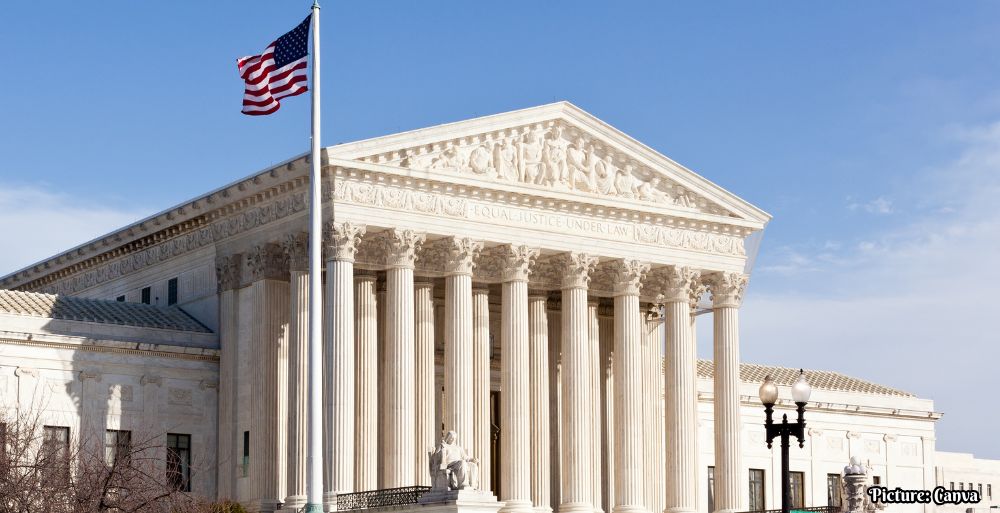
The Supreme Court’s recent ruling enhances presidential power by affirming the authority to dismiss heads of independent regulatory agencies, raising concerns about the future of regulatory independence and accountability.
The Supreme Court issued a significant 6-to-3 ruling on Monday, affirming President Donald Trump’s authority to terminate the heads of most independent regulatory agencies. This landmark decision is poised to reshape the dynamics of administrative governance in the United States, challenging the traditional insulation of these agencies from direct presidential influence.
Case Background
The case that prompted this ruling centered around the Federal Housing Finance Agency (FHFA), which oversees Fannie Mae and Freddie Mac, two government-sponsored enterprises that play critical roles in the housing finance system. The court determined that the FHFA’s structure, which provided the agency’s director with substantial protections from removal, was unconstitutional, as it infringed upon the executive branch’s authority.
This ruling is part of a broader judicial trend favoring executive power, particularly regarding administrative agencies. Legal scholars have noted that the Supreme Court’s decision marks a significant departure from precedent, which has generally sought to maintain a degree of independence for regulatory bodies established to operate free from political pressures. Historically, such independence aimed to ensure impartiality and expert oversight in complex regulatory environments.
Expert Insights
Alan B. Morrison, a constitutional law expert at George Washington University, commented on the implications of the ruling, stating, “This ruling allows the President to exert greater control over regulatory agencies, which could lead to significant shifts in policy direction.” Morrison highlighted that the decision might not just impact the FHFA but could also have extensive repercussions for various independent agencies, including the Securities and Exchange Commission (SEC) and the Federal Reserve.
Paul Schiff Berman, a law professor and expert in administrative law, echoed these sentiments. He pointed out that the ruling raises critical questions about the future of regulatory independence and the effectiveness of checks and balances within the government. Berman stated, “The implications of this ruling could lead to a re-evaluation of how we perceive accountability and independence in regulatory practices.”
Historical Context
The Supreme Court’s ruling comes amid a long-standing debate over the separation of powers and the independence of regulatory agencies. Traditionally, independent agencies have been created to function free from direct presidential influence, aimed at protecting the public interest in sectors such as finance, healthcare, and environmental regulation. The establishment of agencies like the SEC in the 1930s, in response to the stock market crash, aimed to restore public confidence and ensure expert oversight free from political whims.
Critics of regulatory independence argue that such structures can lead to a lack of accountability and responsiveness to the public. The Supreme Court’s ruling reflects a growing consensus among certain legal scholars and politicians that enhancing presidential authority over these agencies might improve accountability and responsiveness. However, opponents of the ruling express concerns that it could lead to increased politicization of regulatory matters, undermining the foundational purpose of independent agencies.
Stakeholder Reactions
The ruling has elicited a spectrum of reactions from various stakeholders. Proponents assert that the decision reinforces executive accountability and allows the President to appoint and remove agency heads whose priorities align with the administration’s policy goals. Conversely, critics warn that this decision risks destabilizing the regulatory framework and eroding public trust in independent oversight.
Consumer advocacy groups have raised alarms regarding the potential consequences of diminished independence. They caution that this ruling could lead to significant rollbacks in essential areas such as consumer protection, environmental regulation, and financial oversight. A spokesperson for a leading consumer advocacy organization stated, “The ability of the President to fire regulatory heads could lead to a less stable regulatory environment, undermining the protections that have been established over the years.”
Broader Implications for Governance
The implications of this ruling extend far beyond the current administration. As future presidents navigate the complexities of governance, the precedent set by the Supreme Court may embolden them to exert greater influence over independent agencies, potentially leading to a cycle of fluctuating regulatory policies with each change in administration. This could complicate long-term planning for businesses, consumers, and stakeholders who rely on stable regulatory frameworks.
Moreover, the ruling raises critical questions about the balance of power between the legislative and executive branches. As Congress continues to grapple with issues of regulatory oversight, the Supreme Court’s decision could prompt lawmakers to reconsider the structures and authorities granted to independent agencies. The long-term effects of this ruling may necessitate a re-evaluation of how the government approaches regulatory oversight and the safeguards designed to protect the public interest.
In conclusion, the Supreme Court’s ruling on Monday represents a pivotal development in the ongoing discourse surrounding executive power and the independence of regulatory agencies. As the landscape of federal governance continues to evolve, the balance of power between the branches of government remains a crucial area of scrutiny for legal experts, policymakers, and the public at large. The implications of this ruling will likely reverberate through future administrations and influence the regulatory landscape for years to come.