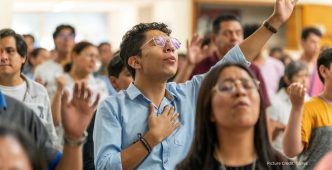
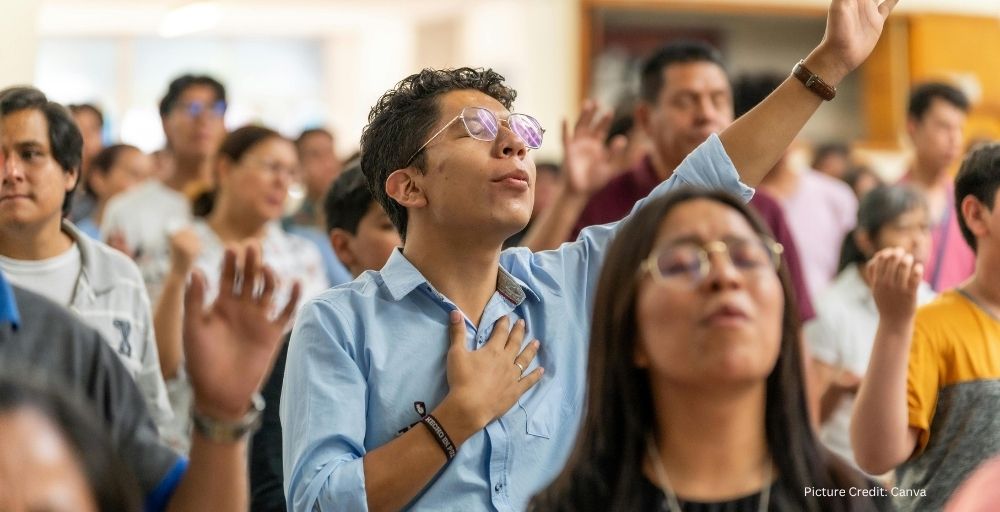
Recent studies indicate a growing number of Americans, particularly younger generations, are returning to religious practices, marking a potential shift in the long-term trend of declining faith in the United States.
Across the United States, a noticeable shift is occurring in the landscape of American religiosity as church leaders report an unexpected resurgence of faith, particularly among members of Generation Z. This trend comes after decades of declining church attendance and increasing secularism, suggesting that a significant transformation may be underway in the way Americans perceive religion.
Historical Context of American Religiosity
For much of the last three decades, American religious affiliation has been in decline, a phenomenon often referred to as the “Great Dechurching.” Pew Research data indicated that, as of the early 1990s, approximately 90 percent of American adults identified as Christian. However, that number has since dropped to roughly two-thirds, with estimates suggesting that about 40 million individuals have left American churches during this period. This shift was characterized by a growing embrace of secular values, leading many sociologists and demographers to predict an ongoing decline in religiosity across all demographics.
However, recent reports indicate a pause in this trend. According to new data released by Pew Research, for the first time in over a generation, the rate of individuals leaving religious institutions has stagnated. This pause has been particularly pronounced among the youngest demographic, those aged 18 to 23, who are increasingly likely to attend religious services at least once a month compared to their slightly older peers.
Shifting Demographics and Emerging Trends
Notably, a Gallup survey highlighted a significant increase in the share of men under 30 who identify religion as “very important,” jumping from 28 percent in 2023 to 42 percent in 2025. Such changes challenge previous notions that younger generations would be less religious than their predecessors. The apparent rise in religious interest has sparked a debate among scholars and observers regarding the implications of these trends.
Lauren Jackson, a reporter who has extensively covered these shifts, emphasizes that this revival—or at least renewed interest—cannot be easily classified. While many have declared it a revival of faith, others caution that such claims may be premature. The overall trend shows that the non-religious demographic has declined, with the levels of atheists and agnostics returning to figures not seen since 2014, suggesting a re-evaluation of spirituality and community.
The Role of the Pandemic
One factor contributing to this renewed interest in faith appears to be the impact of the COVID-19 pandemic. As individuals faced unprecedented challenges and uncertainties regarding health, mortality, and community connections, many found themselves re-examining their spiritual beliefs. Jackson notes that for many, the pandemic served as a catalyst for deep personal reflection and a reconsideration of what role faith might play in their lives.
People have expressed a desire for community and connection, which has been increasingly difficult to find in a highly individualistic society. Statements from individuals reveal a longing for meaningful relationships and support systems that traditional religious communities can provide. This craving for communal engagement has led some to reconsider their previous disconnection from organized faith.
Political Influence on Religious Sentiment
Moreover, the political landscape in the United States has played a role in shaping contemporary religious sentiments. The rise of populist movements and the prominence of conservative Christianity in political discourse have prompted individuals across the political spectrum to reassess their beliefs. Some left-leaning individuals are finding themselves drawn back to faith as a means of countering the perceived toxicity of the political right.
For example, Nick Rumar-Detors, a former leftist activist, describes how the election of Donald Trump prompted him to re-evaluate his stance on religion. Initially hostile to religious institutions, he began to see faith as a necessary counterbalance to the divisive rhetoric prevalent in contemporary politics. This realization led him to explore Catholicism, ultimately seeking a connection with a faith community that he had previously rejected.
Conclusion: An Inflection Point for American Faith
The emerging data and personal testimonies suggest that American religiosity is at an inflection point. While the traditional metrics of church attendance may not show a definitive revival, the increasing curiosity and engagement with faith among younger generations indicate a potential shift in how religion may be practiced and understood in the future. As more individuals navigate their spiritual journeys in a rapidly changing world, the role of faith in American life may continue to evolve, reflecting broader societal changes.