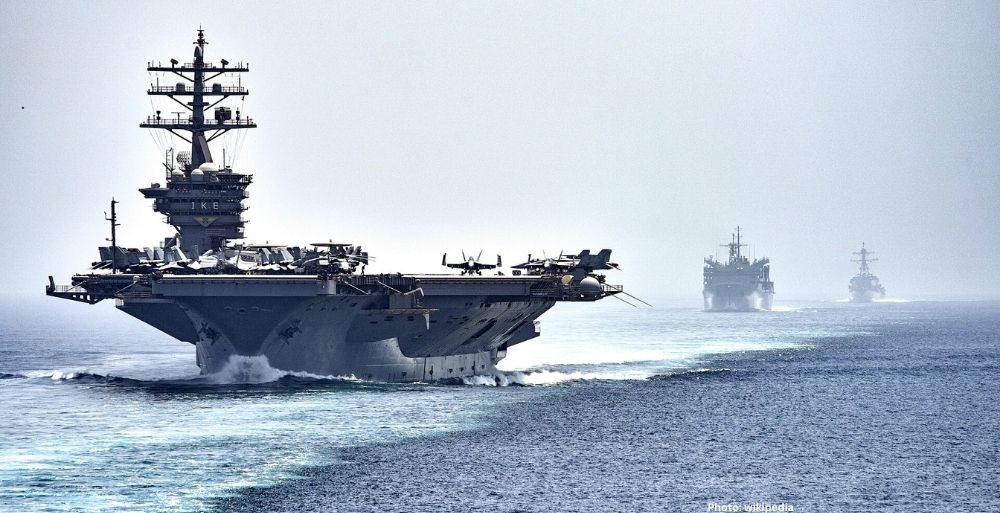
A recent agreement between the U.S. and Iran aims to conclude over three months of hostilities and reopen the vital Strait of Hormuz, a crucial passage for global oil trade.
The United States and Iran announced on Sunday that they have reached a significant agreement to end the conflict that has escalated tensions in the Middle East and disrupted the global economy for more than three months. The announcement coincided with U.S. President Donald Trump’s engagement in various diplomatic discussions ahead of the G7 summit in France.
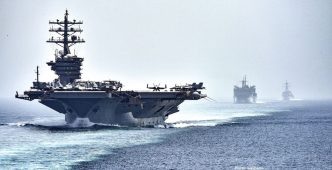
This deal, which is set to be formally signed in Switzerland on Friday, represents a pivotal moment in the ongoing hostilities that began on February 28, 2026. The conflict had seen sporadic attacks and heightened tensions, particularly in the strategic Strait of Hormuz, through which approximately 20 percent of the world’s oil supply is transported.
Details of the Agreement
In his announcement, Trump expressed optimism, stating, “The Deal with the Islamic Republic of Iran is now complete. Congratulations to all!” The Iranian Supreme National Security Council confirmed that the agreement was reached after an intensive negotiation process that lasted several months.
The memorandum of understanding includes an extension of the current U.S.-Iran ceasefire for an additional 60 days. During this period, the primary focus will be on negotiating a permanent resolution to the conflict. While the specifics of the deal have not been publicly disclosed, it is reported that both nations will cease ongoing military actions, including the recent hostilities between Israel and Hezbollah in Lebanon.
Additionally, the agreement outlines the lifting of blockades imposed by both the U.S. and Iran on the Strait of Hormuz, which had significantly hampered oil exports and contributed to rising global prices. Trump remarked, “Ships of the World, start your engines. Let the oil flow!” signaling the anticipated resumption of oil shipments.
Unresolved Issues
Despite the breakthrough, several critical issues remain unaddressed, notably concerning Iran’s nuclear program. In an interview with The New York Times, Trump indicated that Iran would be allowed to engage in low-level nuclear enrichment, a significant shift from his earlier stance advocating for the dismantling of Iran’s nuclear capabilities.
Moreover, Iran seeks the release of billions of dollars in assets that have been frozen due to international sanctions. The complexities surrounding these negotiations raise questions about the potential for a durable peace. If an agreement is not reached within the 60-day timeframe, Trump suggested he might reconsider military actions against Iran or establish a U.S. presence as a “guardian of the Middle East,” which would involve financial arrangements tied to regional revenues.
International Reactions and Next Steps
The announcement of the agreement has garnered responses from various international leaders. Pakistani Prime Minister Shehbaz Sharif, who played a crucial role in mediating the negotiations, confirmed the arrangements for the signing ceremony. Iranian Deputy Foreign Minister Kazem Gharibabadi characterized the deal as a victory for Iran, noting the country’s control over the Strait of Hormuz since the conflict began.
In the wake of the announcement, tensions between Israel and Hezbollah have continued, with reports of ongoing military exchanges. Israeli Defense Minister Israel Katz reaffirmed the country’s commitment to maintaining troops in southern Lebanon indefinitely, despite the agreement with Iran. This ongoing conflict complicates the situation significantly, as the ceasefire has not been respected by all parties involved.
European leaders, including those from the United Kingdom, France, Germany, and Italy, expressed support for the agreement, urging swift implementation and a focus on the long-term stability of the region. French President Emmanuel Macron emphasized the importance of reopening the Strait of Hormuz and exploring broader diplomatic opportunities emanating from this deal.
United Nations Secretary-General António Guterres characterized the agreement as a “critical step” towards resolving the conflict, with hopes that all involved parties will build on this momentum to achieve a comprehensive resolution.
Historical Context and Implications
The Strait of Hormuz has been a flashpoint in U.S.-Iran relations for decades, particularly since the Iranian Revolution in 1979. The strategic waterway has historically been a focal point for military and economic tensions, given its significance for oil transit. The recent conflict, which began in February 2026, was marked by a series of aggressive actions, including missile strikes and naval confrontations, which exacerbated global supply chain disruptions and drove oil prices to multi-year highs.
As both nations prepare to enter a new phase of negotiations, the stakes remain high. The potential for miscommunication or miscalculation in this delicate environment could have far-reaching consequences, not only for the Middle East but also for global markets sensitive to fluctuations in oil prices.
The deal’s success hinges on the ability of both sides to navigate deeply entrenched issues, including nuclear policy and economic sanctions. With a 60-day window for further negotiations, the international community will be closely monitoring developments to assess the viability of a lasting peace.
In conclusion, while the agreement represents a significant diplomatic achievement, the path ahead is fraught with complexity. The interplay between military actions, economic interests, and regional stability will shape the future of U.S.-Iran relations and the broader geopolitical landscape.