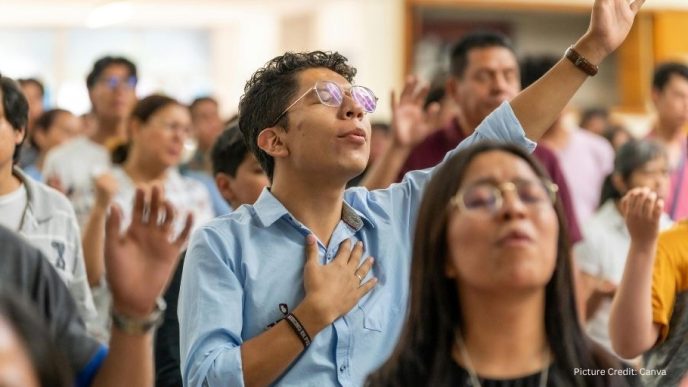

Recent findings from a Gallup survey indicate a notable increase in religiosity among young adult males in the United States, while young women report a decline, reversing a long-standing gender gap in religious engagement.
A recent Gallup survey has highlighted significant changes in the landscape of religiosity among young adults in the United States, particularly noting a surge in religious importance among young men and a corresponding decline among young women. This development unfolds against a backdrop of growing discourse on the role of religion in modern American life, prompting scholars and religious leaders to reassess longstanding assumptions about gender and faith.
The survey, conducted between 2023 and 2025, revealed a striking increase in the percentage of young adult males aged 18 to 29 who identify religion as “very important” in their lives. This figure rose from 28% in 2023 to 42% by 2025. Concurrently, attendance at religious services among this demographic also increased, from 33% to 40%. These figures challenge decades-long trends that have shown a gradual decline in self-reported religiosity and church attendance across the country.
Shifting Trends in Young Adult Religiosity
Conversely, the survey indicated that young adult women in the same age range are now reporting a decrease in religious engagement. Only 39% of young women indicated that religion holds significant importance in their lives, and their attendance at religious services has also declined, with 39% attending less frequently than their male counterparts. This demographic shift marks a profound reversal of a historical pattern where women have typically been more engaged in religious practices than men.
Historically, studies have consistently demonstrated that women are more likely than men to identify the importance of religion in their lives, engage in daily prayer, and attend church services. This trend has been particularly pronounced among Christian communities, the largest religious group in the United States. Research from organizations such as the Pew Research Center has established that women generally exhibit higher levels of religiosity compared to men across various cultures and regions, with American Christians previously showing even larger gaps than their counterparts in other developed nations.
Understanding the Gender Gap Reversal
The recent Gallup findings raise critical questions about the potential causes behind this reversal. Is this trend a transient anomaly, or does it signal a more profound realignment in religious belief and practice among young adults? Scholars are increasingly interested in exploring the factors contributing to this shift, recognizing that the implications could be far-reaching.
Theories attempting to explain the traditional gender gap in religiosity often draw from a variety of factors, including biological, psychological, familial, and socio-economic influences. For instance, some scholars posit that women’s roles in family dynamics often lead them to be more community-oriented and, consequently, more engaged with religious institutions. However, the latest Gallup findings challenge these explanations and suggest a need for further inquiry into the changing motivations and attitudes among young adults.
Implications for Religious Organizations
The implications of these findings extend well beyond academic interest; they could significantly impact religious organizations and communities across the United States. As young men express increasing levels of commitment to religious beliefs, faith-based institutions may need to reassess their outreach strategies and programming to engage this demographic more effectively. Conversely, the decline in religiosity among young women may necessitate a reconsideration of how these organizations can revitalize interest and participation among women.
The landscape of religion in America is continually evolving, and these findings from the Gallup survey mark a crucial moment in understanding the dynamics of faith in contemporary society. The growing divergence in religious engagement between young men and women suggests that broader societal trends are influencing individual beliefs and practices in unforeseen ways. Moreover, the implications of this shift could resonate through the continued evolution of American religious life, prompting discussions about inclusivity and engagement strategies.
Future Research Directions
To comprehensively understand the motivations behind this shift, further research is required. This includes qualitative studies that delve into the experiences and perspectives of young adults regarding religion, as well as analyses that consider the impact of cultural, political, and economic factors on religious engagement. The role of technology, particularly social media and digital expressions of faith, may also warrant closer examination, as these platforms reshape how individuals engage with religious communities.
In conclusion, the recent Gallup survey unveils a noteworthy transformation in the religious attitudes of young adults in the United States. With young men becoming increasingly engaged in religious practices while young women appear to be stepping back, this trend invites further inquiry into the social dynamics at play. Understanding these changes will require collaboration among scholars, religious leaders, and community members, as they navigate the evolving landscape of faith in America.