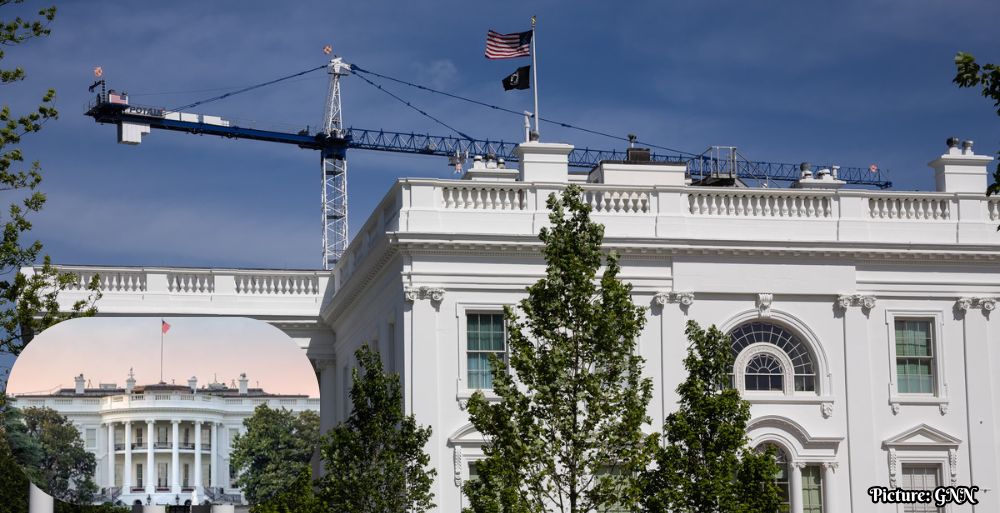
The White House has finalized a voluntary framework for artificial intelligence oversight, as mandated by an executive order issued on June 2. The details of the framework remain undisclosed, raising questions about its implementation and industry participation.
The White House announced on August 1 that it has completed its voluntary artificial intelligence (AI) oversight framework, in line with the executive order signed by President Biden on June 2. A White House official, who spoke on condition of anonymity to discuss internal policy, confirmed that discussions with industry stakeholders regarding the next steps are currently underway.
Despite the completion of the framework, details have not yet been released to the public or the companies involved in its development. This lack of transparency raises concerns about how companies not directly briefed by the White House will be able to participate in the framework. The voluntary nature of the order, which was intended to encourage collaboration between the government and the tech industry, may hinder engagement if companies lack access to the guidelines necessary for compliance.
Framework Development and Industry Engagement
The executive order mandated the framework’s completion within 60 days, leading to a deadline of August 1. In the weeks leading up to this date, key players in the tech industry, including Anthropic, Google, Meta, and OpenAI, engaged closely with White House officials to shape the framework’s provisions. According to sources familiar with the matter, Google, OpenAI, and Anthropic collaborated on reviewing a draft of the framework and submitted their edits in late July.
The involvement of these leading tech companies indicates a recognition of the importance of establishing a regulatory approach to AI, which has rapidly evolved and raised various ethical and safety concerns. However, the absence of a public release of the framework complicates the situation. Industry experts have expressed apprehension that without clear guidelines, companies may struggle to align their practices with the intended objectives of the oversight.
Next Steps and Broader Implications
As the White House engages with industry representatives, the next steps in the framework’s implementation will be critical. The August 1 deadline marks a significant milestone in the Biden administration’s efforts to address the challenges posed by AI technologies. The framework is expected to outline best practices and safety measures that AI developers can adopt voluntarily, but the lack of a mandatory compliance requirement raises questions about its overall effectiveness.
The implications of this oversight framework extend beyond the immediate tech industry. As AI systems increasingly integrate into various aspects of society, from healthcare to transportation, the need for robust guidelines becomes imperative to ensure ethical usage and public safety. Stakeholders, including policymakers, technologists, and advocates for consumer protection, will be closely monitoring the development and potential rollout of the framework.
Critics of the administration’s approach have voiced concerns that a voluntary framework may not be sufficient to address the risks associated with unregulated AI technologies. Without enforceable standards, there is a fear that companies may prioritize innovation over safety, potentially leading to harmful consequences. Proponents of a more stringent regulatory approach argue that a mandatory framework could provide clearer guidance and accountability for AI developers.
Industry Response and Future Considerations
While the four major tech companies involved in drafting the framework—Anthropic, Google, Meta, and OpenAI—did not respond to requests for comment at the time of this report, their engagement in the process suggests a commitment to participating in the oversight dialogue. However, the overall industry response remains to be seen, particularly from companies that may not have had direct involvement in the framework’s development.
The ongoing discussions between the White House and industry leaders will be pivotal in determining how the framework will be implemented and whether it will lead to meaningful change in AI governance. As the administration continues to navigate the complexities of regulating emerging technologies, the balance between fostering innovation and ensuring public safety will be a central theme.
In conclusion, the completion of the AI oversight framework represents a significant step in the Biden administration’s approach to technology regulation. However, the lack of transparency regarding the framework’s details and its voluntary nature raises important questions about its effectiveness and the potential for broad industry compliance. The coming weeks will likely reveal more about how the White House plans to engage with the tech sector and the implications for the future of AI regulation in the United States.