Warren Buffett’s recent announcement to step down as chairman of Berkshire Hathaway signifies a pivotal moment in the company’s history, as leadership transitions to his son Howard Buffett and current CEO Greg Abel.
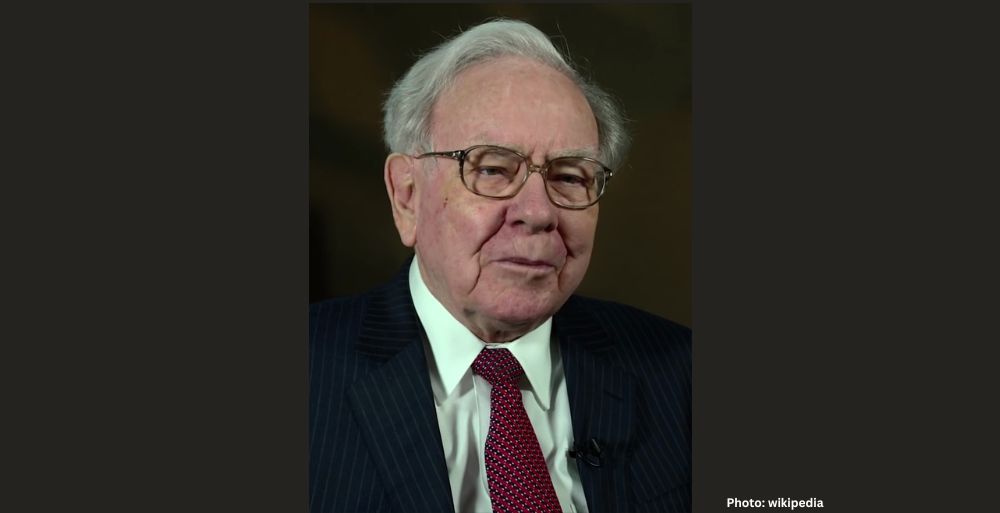
In a significant shift for one of the most storied companies in American business history, Warren Buffett, age 96, has announced his transition to chairman emeritus of Berkshire Hathaway, effective immediately. This change marks a crucial milestone in the company’s succession planning, as Howard Buffett, Warren’s son, takes over the chairmanship while Greg Abel continues in his role as CEO. The decision was made public on Friday, further formalizing a leadership transition that has been anticipated for years.
David Kass, a Clinical Professor of Finance at the University of Maryland’s Robert H. Smith School of Business and a long-time observer of Berkshire Hathaway, has offered insights into the implications of this leadership change. Kass, who has followed Buffett’s career closely and attended various shareholder meetings, emphasized the weight of the moment, noting that Buffett’s shareholder letter contained the phrase, “Father time always wins,” which speaks to the inevitable nature of change within the company.
Performance Context
Kass also highlighted a concerning trend in Berkshire’s performance relative to the broader market. Since Buffett announced his intention to step down as CEO last year, Berkshire Hathaway has significantly underperformed the S&P 500 index. Kass suggests that this decline may indicate a waning of the so-called “Buffett premium,” a term used to describe the market’s confidence in Buffett’s exceptional capital allocation skills. This shift in performance raises questions about how the company will fare without its iconic leader at the helm.
Despite these challenges, Kass remains optimistic about the company’s future. He believes that Berkshire’s decentralized business model will likely maintain its effectiveness under the leadership of Howard Buffett and Greg Abel. Kass stated, “Berkshire should perform very well going forward under the leadership of Greg Abel,” indicating his confidence in Abel’s capabilities to steer the company through this new phase.
A Legacy of Leadership
Warren Buffett’s tenure as chairman has been marked by unparalleled success and a distinctive investment strategy that has attracted a dedicated following among shareholders and investors alike. His ability to identify lucrative investment opportunities and his commitment to transparency have been hallmarks of his leadership style, which has earned him the moniker “Oracle of Omaha.” Buffett’s influence extends beyond mere financial returns; he has cultivated a corporate culture centered around integrity, long-term thinking, and a strong sense of social responsibility. His leadership has not only shaped Berkshire Hathaway but has also had a lasting impact on the investment community and American business practices.
Buffett’s approach has been characterized by a long-term investment philosophy that eschews short-term gains in favor of sustainable growth. This strategy has been instrumental in building Berkshire’s diverse portfolio, which includes major stakes in companies such as Apple, Coca-Cola, and American Express, as well as wholly owned subsidiaries like Geico, Dairy Queen, and BNSF Railway. Under Buffett’s guidance, Berkshire Hathaway has transformed into a powerhouse, with a market capitalization exceeding $700 billion as of the latest reports.
The Future Under New Leadership
As Howard Buffett and Greg Abel assume their new roles, the path forward for Berkshire Hathaway will be closely monitored by investors and analysts. Kass’s extensive experience, which includes years of attending what he describes as the “Woodstock for capitalists,” provides him with a unique perspective on the company’s culture and strategic direction. His office is adorned with memorabilia from his interactions with Buffett, reflecting a scholar deeply invested in the narrative of Berkshire’s evolution.
The transition to new leadership comes at a time when many companies are grappling with challenges such as economic uncertainty, shifting consumer behaviors, and rising inflation. Berkshire Hathaway’s diverse portfolio positions the company advantageously to navigate these complexities. Its subsidiaries span various industries, providing a buffer against economic downturns and allowing for strategic investments across different sectors.
Howard Buffett, who has served on Berkshire’s board of directors for several years, brings a wealth of experience and a commitment to upholding the principles established by his father. Meanwhile, Greg Abel, who has been with Berkshire for over two decades and has effectively managed the company’s operations, is expected to continue the legacy of sound investment practices and corporate ethics that have defined the organization under Buffett’s leadership.
The implications of this leadership change extend beyond Berkshire Hathaway. As one of the largest conglomerates in the world, the company’s strategies and performance are closely watched by investors, policymakers, and business leaders globally. The evolution of Berkshire’s leadership will likely influence broader market trends and investment strategies, particularly as the company adapts to an increasingly complex economic landscape.
In conclusion, Warren Buffett’s step down as chairman marks not only a significant personal milestone but also a turning point for Berkshire Hathaway. As the company embarks on this new chapter, the leadership of Howard Buffett and Greg Abel will play a crucial role in shaping the future of one of the largest conglomerates in the world. Observers like David Kass will undoubtedly continue to provide valuable insights into this unfolding story, as stakeholders watch closely to see how the company adapts to the evolving landscape of business.