India will be represented by External Affairs Minister S. Jaishankar during the high-level week of the 81st session of the United Nations General Assembly, where critical global issues will be discussed.
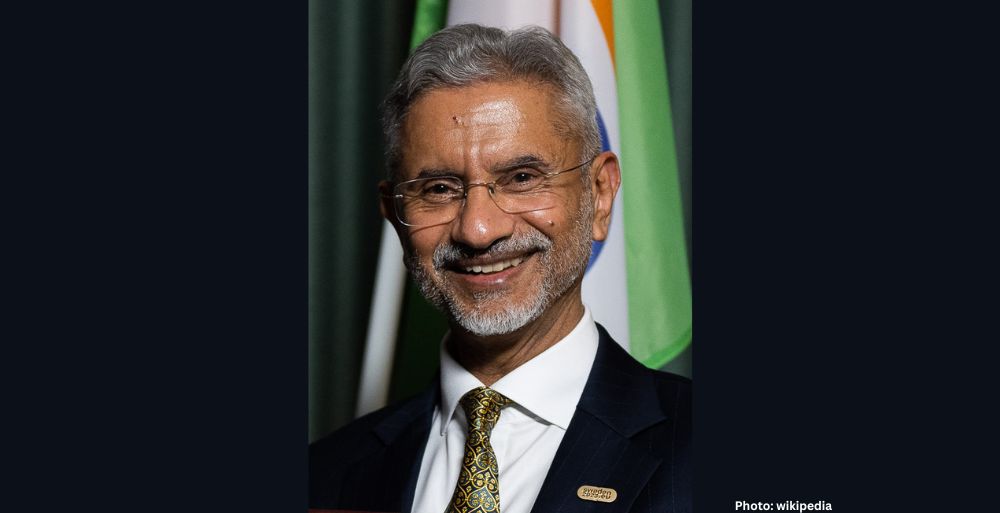
NEW YORK – India will be represented by External Affairs Minister S. Jaishankar at the upcoming 81st session of the United Nations General Assembly (UNGA), scheduled to take place in New York from September 22 to 28, 2023. This annual gathering will bring together leaders from all 193 member states to deliberate on numerous pressing global matters, including conflicts, economic challenges, climate change, and the advancement of sustainable development goals.
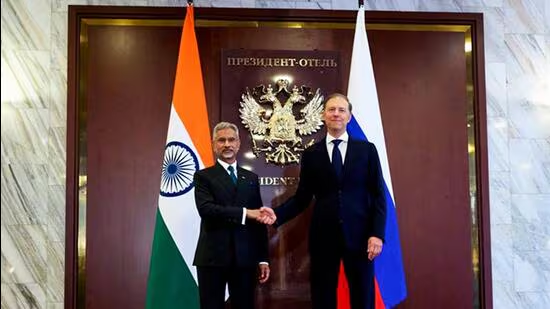
On September 26, Jaishankar is expected to deliver a significant address during the high-level session of the UNGA, where he will outline India’s perspective on various international issues and engage in discussions aimed at fostering global collaboration. In addition to his address, he will participate in a series of bilateral and plurilateral meetings with other foreign ministers and heads of state, as indicated by a statement from the Ministry of External Affairs released on September 20.
Thematic Focus of the 81st Session
This year’s UNGA is themed “Restoring trust, managing transformation: a United Nations that delivers for all.” This theme highlights the necessity of rebuilding trust among nations and enhancing the UN’s effectiveness in addressing global challenges. The session will prioritize strengthening international cooperation, accelerating progress on the Sustainable Development Goals (SDGs), and advocating for collective action aimed at ensuring peace, dignity, and equality for all.
In addition to formal speeches, the UNGA will feature the SDG Media Zone from September 21 to 25, which will host interviews and panel discussions focused on solutions related to the SDGs. The Goals Lounge, running concurrently until September 25, will offer interactive sessions and discussions on critical global issues, providing a platform for dialogue among various stakeholders.
Significance of the UNGA
The UNGA is regarded as one of the most significant annual gatherings of world leaders, serving as a barometer for international priorities and concerns. The discussions during this period are expected to reflect the ways in which countries are responding to increasingly interconnected global challenges. As the world continues to grapple with the impacts of the COVID-19 pandemic, economic instability, and climate change, the UNGA serves as a critical forum for nations to align on shared goals and strategies.
Bangladesh’s Foreign Minister Khalilur Rahman will preside over the 81st session, emphasizing the collaborative nature of the assembly as nations seek to address complex issues that transcend borders. The general debate will feature contributions from presidents, prime ministers, and senior representatives, providing a comprehensive overview of the global landscape.
India’s participation in the UNGA, particularly through Jaishankar’s leadership, reflects the country’s commitment to engaging actively in multilateral dialogues. As a significant player in international relations, India aims to advocate for a multipolar world that respects sovereignty and promotes equitable development. This engagement is particularly crucial as countries face shared challenges that require coordinated responses.
Contextualizing India’s Role
India, as one of the world’s largest democracies and densely populated countries, has been increasingly asserting its influence on the global stage, particularly in forums like the UN. The country has championed various causes, including climate action, sustainable development, and peacekeeping missions. The forthcoming address by Jaishankar could underline India’s positions on these matters and its efforts to strengthen its ties with other nations amid a rapidly changing geopolitical landscape.
The UNGA also serves as a platform for India to enhance its diplomatic relations, with Jaishankar’s planned bilateral meetings likely to focus on areas of mutual interest, such as trade, security, and climate initiatives. Analysts suggest that India’s approach to these discussions will reflect its broader foreign policy objectives, which prioritize strategic partnerships while navigating the complex dynamics of regional and global politics.
Looking Ahead: Implications for Global Cooperation
As the UNGA approaches, the international community will be closely monitoring the discussions and outcomes of the assembly. The decisions made during this high-level meeting may have lasting implications for global governance and cooperation. With emerging technologies, climate action, and sustainable development at the forefront of discussions, the UNGA presents an opportunity for nations to recommit to their responsibilities in addressing the world’s most pressing challenges.
The assembly is expected to conclude with a series of resolutions and agreements that will guide international efforts in the coming year. The emphasis on collective action underscores the importance of nations working together to achieve a sustainable and equitable future. As countries navigate the complexities of the modern world, the role of the UNGA in fostering dialogue and collaboration will be more critical than ever, serving as a vital mechanism for addressing issues that affect humanity as a whole.
In summary, Jaishankar’s participation in the UNGA reflects India’s proactive engagement in global affairs. As global leaders gather to address multifaceted challenges, the outcomes of this session will be pivotal in shaping international relations and fostering a cooperative approach to solving pressing global issues.