A tragic landslide in Kerala’s Wayanad district has claimed at least three lives and raised serious questions about the adherence to safety protocols following ignored warnings from local officials.
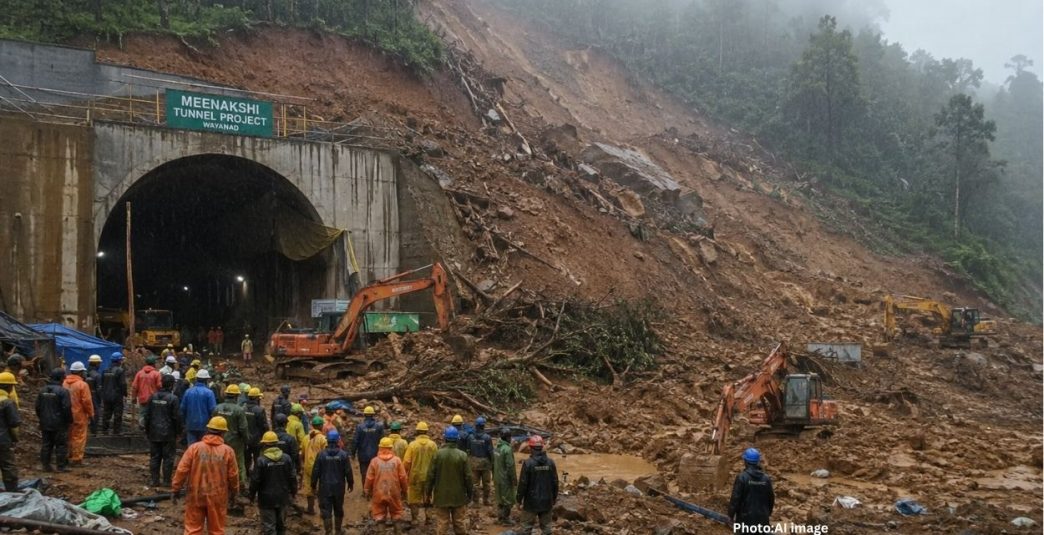
Wayanad, Kerala – On July 7, a landslide during the construction of a tunnel project in the Meenakshi area of Wayanad district resulted in the deaths of at least three individuals, with seven others reported missing and several hospitalized. The incident has raised urgent concerns regarding construction safety and the potential negligence of prior warnings issued by district officials.
On June 20, Meghashree D R, the district collector of Wayanad, issued a letter urging the temporary suspension of work on the twin tunnel project. The letter highlighted the necessity of removing soil accumulation from the site, which had built up as a result of tunneling activities. This soil ultimately contributed to the landslide, as confirmed by Kerala’s Minister for Environment and Climate Change, Sunny Joseph.
Minister Joseph stated, “The district collector had given standing instructions to remove the soil that was accumulating at the site. The order was not considered, and the construction company went ahead with the tunneling work.” His comments underscore the critical human oversight that led to the tragic outcome.
Background on the Tunnel Project
The tunnel project, managed by the Konkan Railway Corporation, spans approximately 8.2 kilometers and is designed to significantly reduce travel time between the Kozhikode and Wayanad districts. The estimated cost of the project is ₹2,400 crore (approximately $290 million), with an expected completion timeline of four years. Construction of the tunnels has been contracted to Bhopal-based Dilip Buildcon, while approach roads and bridges will be developed by Kolkata-based Royal Construct.
Chief Minister V D Satheesan has acknowledged the gravity of the situation and the alleged lapses that contributed to the disaster. “This is a man-made disaster because the warning was ignored. We are seriously looking into the lapses that put lives in danger,” Minister Joseph reiterated, emphasizing the need for accountability in the wake of such tragedies.
Legal and Environmental Context
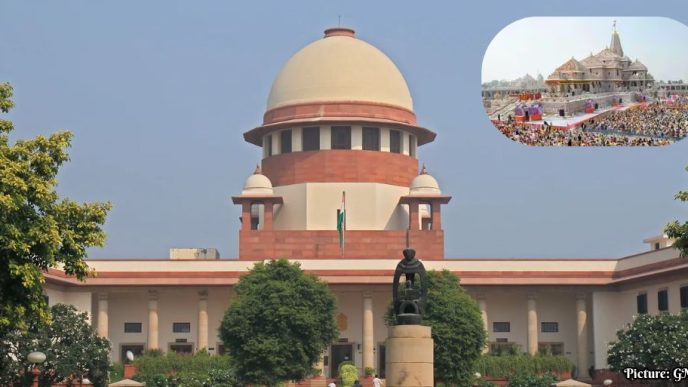
The tunnel project faced significant scrutiny prior to its commencement. In April 2023, the Supreme Court of India approved the project after dismissing petitions from environmental advocates who argued that it could harm the ecological balance of the Western Ghats, a UNESCO World Heritage site. The court upheld the environmental clearance granted by the Ministry of Environment, Forests and Climate Change but noted that any violations of environmental norms during construction would remain open to legal challenge.
The Supreme Court’s ruling emphasized the importance of balancing infrastructural development and environmental preservation. However, the recent landslide has reignited debates regarding the adequacy of safety measures and adherence to environmental protocols at construction sites, especially during adverse weather conditions.
Kerala’s Agriculture Minister T Siddique remarked, “Unscientific dumping of loose soil at the project site has led to the tragedy. This is not a natural disaster but a manmade one. Earlier, the government had given clear instructions to Konkan Railway Corporation to ensure all safety measures and stop the construction work during heavy rains.” His comments reflect a growing concern among government officials regarding the safety practices employed in large-scale construction projects.
Investigation and Future Implications
The Kerala government has initiated a response to the incident, which reflects a broader concern over construction safety in the region. As rescue operations continue for those still unaccounted for, officials are expected to conduct a rigorous investigation into the circumstances surrounding the landslide. The investigation will likely focus on the adherence to safety protocols, the decision-making processes that led to the continuation of construction despite warnings, and the overall management of the project.
This incident serves as a critical reminder of the need for strict compliance with safety measures in infrastructure projects, particularly those that could have significant implications for both human safety and environmental integrity. The outcome of the ongoing investigations may lead to increased scrutiny of construction practices and regulatory frameworks in Kerala and similar regions across India, potentially prompting revisions to safety regulations and enforcement mechanisms.
As the state grapples with the ramifications of this disaster, residents and environmentalists alike are calling for more stringent oversight of construction projects and a commitment to ensuring that safety protocols are not only established but actively enforced. The tragic loss of life highlights the urgent need for systemic changes to prevent future incidents and ensure that development does not come at the expense of human safety or environmental health.