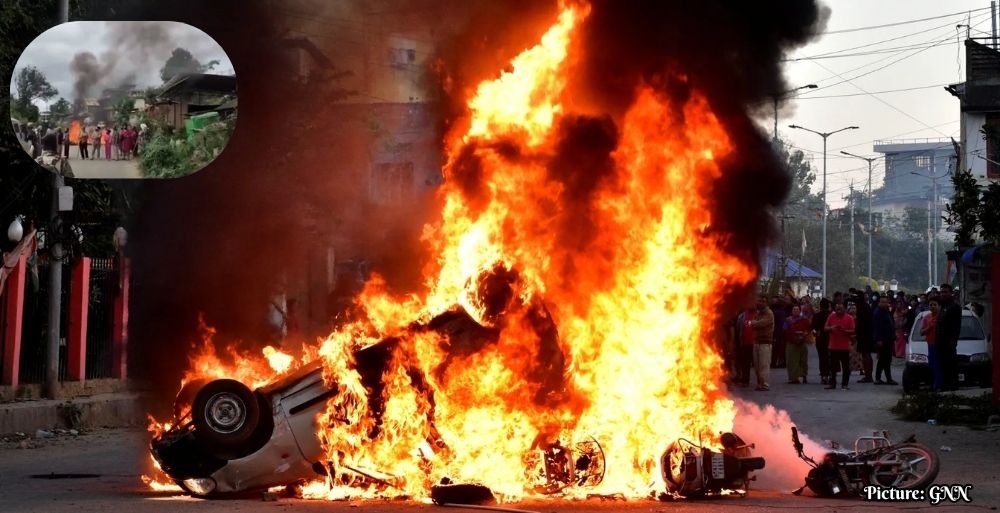
Four Liangmai Naga villages in Manipur’s Kangpokpi district were attacked by armed groups linked to the Kuki community, resulting in injuries to a local pastor and widespread disruption due to a simultaneous general strike over the National Register of Citizens.
On September 1, 2026, a violent assault occurred in four villages of the Liangmai Naga community along the Imphal-Tamenglong Road in Manipur’s Kangpokpi district. The attack is reported to have been carried out by armed groups associated with the Kuki National Front-Presidential (KNF-P), just a day after the deaths of three Kuki villagers in the same region heightened existing tensions. The incident marks a significant escalation in an area already fraught with ethnic conflict.
The Working Committee of the Tangkhul Naga Long (TNL), an organization representing the Liangmai Naga community, publicly accused the Kuki National Front-Presidential (KNF-P) of collaborating with the Kuki National Army (KNA) in these attacks. According to TNL’s statement, the assailants critically injured Luithuibou Newmai, the pastor of Tapon village, and set fire to multiple homes in the affected areas, causing significant destruction and displacement.
Allegations of Militant Collusion
The TNL’s statement detailed that the coordinated attacks were allegedly executed by KNF-P and KRA cadres under the command of Jangboi Kipgen, who is identified as the home secretary of the United People’s Front. This organization acts as an umbrella body for Kuki-Zo militant groups operating within Manipur. The TNL emphasized that these groups are currently under a Suspension of Operations (SoO) agreement with the Indian government, which aims to curb violence and promote peace in the region. The apparent violation of this agreement raises concerns regarding the government’s effectiveness in maintaining order and enforcing peace.
In its condemnation of the attacks, the TNL articulated that the Liangmai Naga community has endured ongoing assaults from Kuki extremists over recent months. The organization characterized the actions of the Kuki groups as a systematic effort to alter the demographic landscape of the region, asserting that these attacks are part of a larger strategy to usurp ancestral lands belonging to the Nagas. The TNL’s statement called upon government authorities to take immediate and decisive action to address these violent incursions and protect the rights of the Liangmai Naga people.
Disruption from the General Strike
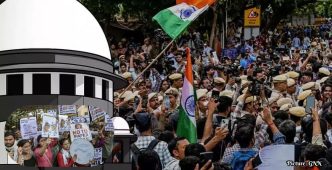
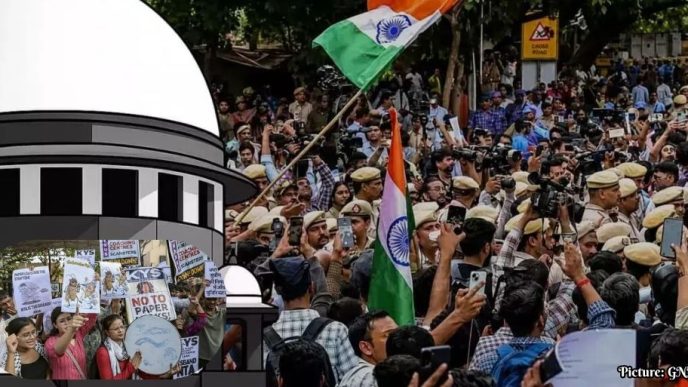
Simultaneously, large-scale protests were unfolding across Manipur, particularly in the five districts of Imphal Valley, due to a 24-hour general strike organized by the Campaign for Justice and Fair Delimitation (JFD). This strike proceeded despite the Indian government’s announcement on August 31, 2026, to defer the Census exercise in the state. The JFD’s demands focus on the preparation of a National Register of Citizens (NRC) prior to the Census, arguing that this is essential for ensuring fair representation and rights for local populations.
The general strike led to significant disruptions in daily life, affecting businesses, public transportation, and vehicular movement throughout the affected districts. Protesters effectively blocked roads, permitting only essential services to pass. In response, the government of Manipur appealed to the JFD to reconsider the strike, particularly after the central government’s decision to postpone the Census. However, the JFD maintained its position, insisting that formal notification of the Census deferment through a gazette announcement was necessary.
Historical Context of Ethnic Tensions
The recent violence and the general strike highlight the ongoing ethnic and political tensions between the Naga and Kuki communities, which have deep historical roots. These tensions have been exacerbated in recent years by issues related to land rights, migration, and political representation. Allegations of collusion among militant groups and the accusations of demographic manipulation underscore the fragile situation, which could escalate further if not addressed by local and national authorities.
The backdrop of these events includes a complex history of conflict and negotiation among various ethnic groups in Manipur, where the interplay of identity politics and local governance continues to shape the socio-political landscape. The failure to adequately address the grievances of minority communities, alongside the perceived marginalization of the Naga population, has contributed to a cycle of violence and retribution, as seen in the current situation.
Looking Ahead: The Need for Dialogue and Resolution
As the situation in Manipur unfolds, it remains imperative for local and national leaders to engage in constructive dialogue aimed at resolving the underlying issues contributing to these conflicts. The role of the government in enforcing law and order and facilitating peace talks will be crucial in the coming days. With tensions running high and the potential for further violence looming, an inclusive approach to governance that acknowledges the rights and concerns of all communities involved is increasingly urgent.
The recent attacks and the general strike serve as a stark reminder of the volatile conditions in Manipur, emphasizing the need for immediate actions to foster peace, security, and reconciliation. Without proactive measures to address the grievances and aspirations of both the Naga and Kuki communities, the risk of further violence and unrest remains a pressing concern for the region.