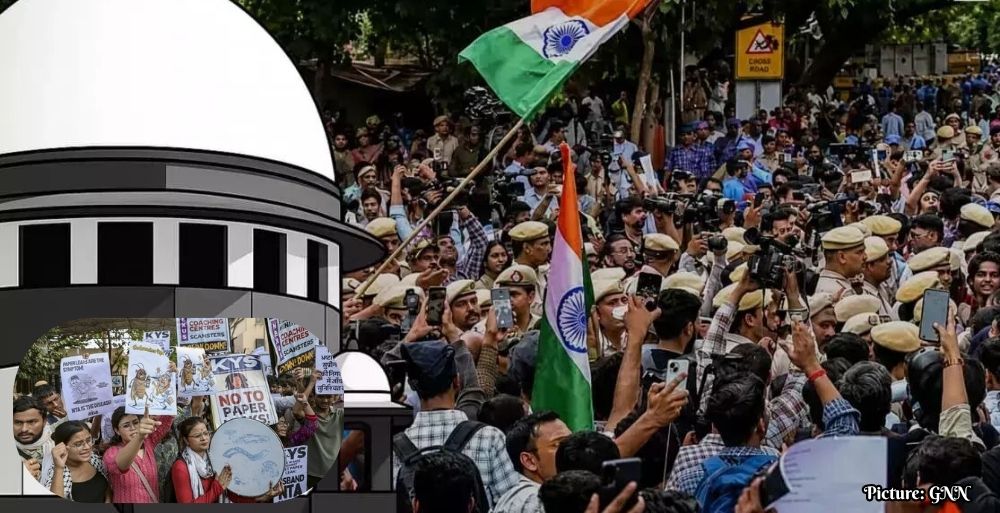
The Supreme Court of India took significant action on September 1, 2026, quashing criminal charges against protesters linked to the Cockroach Janta Party (CJP) following widespread demonstrations triggered by the NEET-UG 2026 question paper leak. This ruling, requested by the Union government, underscores the delicate intersection of youth activism and political considerations in India.
The Supreme Court of India issued a pivotal ruling on September 1, 2026, quashing criminal cases against protesters associated with the Cockroach Janta Party (CJP) who participated in nationwide demonstrations following the leak of the NEET-UG 2026 examination question paper. The decision came at the behest of the Union government and reflects a rare exercise of the court’s powers under Article 142 of the Indian Constitution, which allows the judiciary to take measures to ensure “complete justice.”
The three-judge Bench, led by Chief Justice of India (CJI) Surya Kant, directed that the First Information Reports (FIRs) registered against the protesters would no longer be investigated and would be effectively closed. This ruling followed a notable shift in stance from the Delhi Police, which operates under the jurisdiction of the Union Ministry of Home Affairs.
Context and Background of the Protests
The protests began in late July 2026 in response to the NEET-UG examination’s integrity being called into question after allegations of a question paper leak surfaced. Demonstrations, organized primarily by the CJP, saw thousands of students voice their frustrations over the perceived failures of the examination system. The situation escalated on July 20, when a police crackdown employed tear gas and pellet guns against students, resulting in injuries and arrests. In the aftermath, FIRs were filed citing serious charges, including rioting and attempted murder.
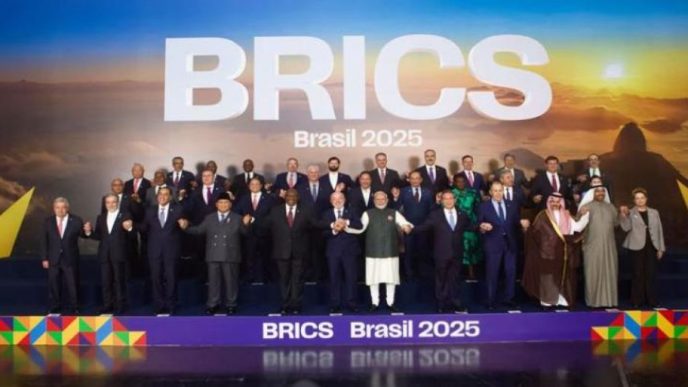
The Supreme Court’s ruling came in the wake of an urgent hearing triggered by a planned CJP march set for September 5, 2026, coinciding with a high-profile BRICS summit scheduled for September 12-13 in New Delhi. On August 31, the Delhi Police informed the court that it would not pursue the FIRs, a decision seemingly influenced by concerns over maintaining public order during the upcoming international event.
Scope of the Court’s Decision
The court’s order is not limited to New Delhi but extends to all States and Union Territories where protests linked to the CJP occurred between July 20 and July 25, 2026. Moreover, the ruling instructs the Union government to ensure that no new FIRs would be registered concerning these protests, indicating a broader intention to protect the rights of protesters across India.
However, the court did permit the Delhi Police to file a “fresh and specific” FIR against 2,873 individuals identified through facial recognition technology at the Jantar Mantar protest site. This provision underscores the court’s acknowledgment of the need for accountability while also emphasizing the importance of due process and the rights of the accused.
Compensation for Victims of the Crisis
In a significant component of the ruling, the Supreme Court mandated that the Union government develop a comprehensive policy to compensate the families of students who reportedly took their own lives following the NEET-UG 2026 paper leak. The court set a three-month deadline for the formulation and distribution of these compensations, highlighting the urgent need to address the emotional and societal repercussions of the examination’s controversies.
Judicial Remarks and Future Implications
During the proceedings, Chief Justice Kant made several remarks emphasizing the importance of fostering a supportive environment for young people. He encouraged students to focus on their careers amidst the pressures of a competitive world. His light-hearted comments referencing the struggles of student life resonated with those present, reflecting the court’s awareness of the aspirations and challenges faced by the youth.
Following the Supreme Court’s ruling, CJP co-convenor Saurav Das announced the party’s decision to withdraw the planned protest on September 5, framing it as a cooperative gesture in light of the government’s assurances regarding the closure of FIRs. The court’s intervention appeared to create an atmosphere of dialogue and resolution, rather than conflict.
Political Dynamics Surrounding the Ruling
The sequence of events leading up to the Supreme Court’s decision reveals a complex interplay of political considerations. The Delhi Police’s abrupt change in stance illustrates the pressures faced by law enforcement and the government amid the backdrop of a politically sensitive international summit. The FIRs were initially filed in a climate of state authority asserting control over public dissent, but the urgency to maintain order ahead of the BRICS summit prompted a reevaluation of that stance.
This ruling not only addresses immediate legal concerns but also serves as a critical commentary on the evolving relationship between youth activism and governmental accountability in India. As students continue to advocate for their rights and demand transparency, the judiciary’s role in mediating these tensions remains vital.
In summary, the Supreme Court’s decision to quash the FIRs against the CJP protesters reflects a significant moment in India’s ongoing dialogue about civil rights, youth activism, and the responsibilities of the state to its citizens. As the political landscape continues to evolve, the implications of this ruling will likely resonate throughout future movements, shaping the trajectory of student activism and governmental response in India.