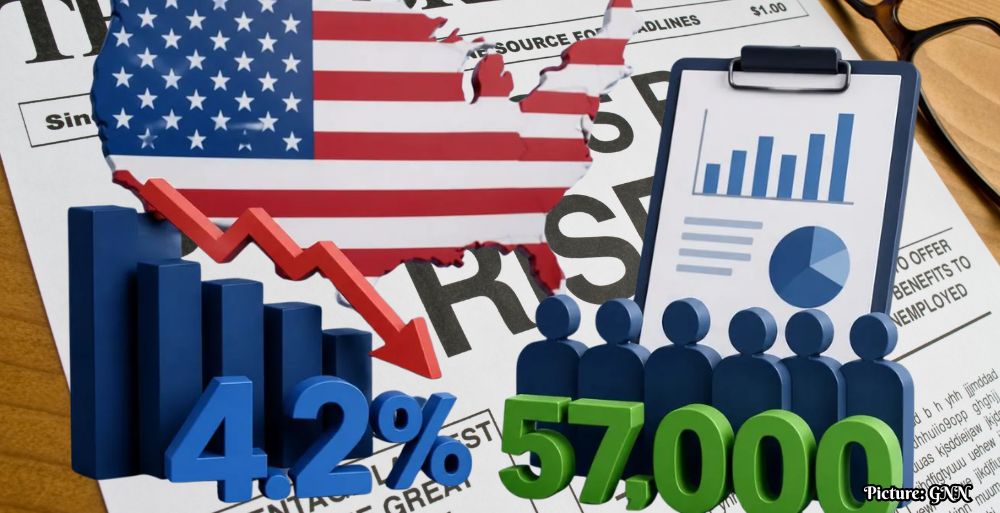
The official unemployment rate has dropped to 4.1%, signaling potential economic stability; however, alternative measures reveal a troubling rise in functional unemployment, indicating deeper issues within the labor market.
The U.S. labor market is currently exhibiting a paradoxical trend as the official unemployment rate has fallen to 4.1%, down from 4.5% in November of last year. This statistic, released by the Labor Department, has led to interpretations that the economy is nearing full employment—a notion supported by Federal Reserve policymakers. However, a closer examination reveals a more complex and concerning reality, as an alternative measure of unemployment known as the True Rate of Unemployment suggests that a significant portion of the workforce is facing substantial challenges.
As market analysts prepare for the upcoming August jobs report, which is anticipated to show the unemployment rate holding steady at 4.1% while payrolls increase by approximately 50,000 jobs, the recent labor statistics have raised eyebrows. The July report unexpectedly revealed a loss of 23,000 jobs, a decline that has prompted economists to reevaluate the robustness of the current employment trajectory. This decline in job growth raises questions about the sustainability of the apparent recovery reflected in the official unemployment figures.
Understanding Employment Growth Trends
One particularly concerning aspect of the labor market is the breakeven rate of employment growth, which indicates the number of jobs that need to be created to maintain the current unemployment rate. This rate dipped below zero during the summer and fall of 2025, suggesting that the labor market may need to shed jobs to keep the unemployment figures from rising. Economists are wary that such a scenario could recur in 2028, which would further complicate efforts to stabilize the job market.
The overall environment of low jobless claims supports the notion of a cautious labor market. Businesses appear reluctant to hire or fire, likely influenced by various external factors, including tariffs imposed during the Trump administration and ongoing geopolitical tensions stemming from conflicts in the Middle East. This low-hire, low-fire landscape complicates the employment situation further, leading to a stagnation of job growth.
Federal Reserve’s Shift in Focus
In light of the low official unemployment rate, the Federal Reserve has adjusted its focus toward combating inflation, moving away from its dual mandate that includes fostering labor market growth. Fed Chairman Kevin Warsh recently articulated this shift during a speech in Jackson Hole, Wyoming, indicating that the central bank’s priorities have pivoted from supporting employment to addressing rising inflationary pressures in the economy.
Contrasting sharply with the official metrics, the Ludwig Institute for Shared Economic Prosperity (LISEP) offers a broader view of unemployment through its True Rate of Unemployment, which accounts for individuals deemed “functionally unemployed.” This group includes not only those who are jobless but also those working part-time involuntarily and individuals earning wages below the poverty line. According to LISEP, this rate has surged to 24.9%, reflecting a 1.3 percentage point increase since March of this year.
Additionally, LISEP’s measure of non-functionally employed individuals, which encompasses those who have exited the labor force entirely, now stands at 53.8%, an increase of 0.8 percentage points since the beginning of 2023. Gene Ludwig, chairman of LISEP, emphasized the troubling implications of these findings, stating, “Functional unemployment is moving higher while workforce participation is moving lower. If this continues, it would suggest the labor market is losing strength despite what we may see in the headline unemployment numbers.”
Implications for Economic Policy and Workforce Dynamics
The discrepancies between the official unemployment rate and alternative measures of joblessness raise critical questions regarding the effectiveness of current economic policies. As the Federal Reserve grapples with the challenges of inflation, the rising rates of functional unemployment may necessitate a renewed focus on strategies that support the labor market. Addressing the multifaceted challenges faced by those classified as functionally unemployed could prove essential in ensuring a more inclusive economic recovery.
This situation also underscores the importance of understanding the nuances of employment metrics. While the official unemployment rate may suggest positive trends in job availability, the broader implications of increased functional unemployment and declining workforce participation rates present a more complicated picture of the U.S. labor market. As policymakers and economic leaders prepare for forthcoming reports and potential shifts in strategy, a comprehensive grasp of these employment metrics will be crucial to effectively navigate the current economic landscape.
In conclusion, the current labor market’s mixed signals—evident in the declining official unemployment rate juxtaposed with rising functional unemployment—highlight significant underlying issues that could impact economic stability moving forward. Policymakers must remain vigilant and adaptable to address these ongoing challenges as they work toward fostering a resilient and equitable labor market.