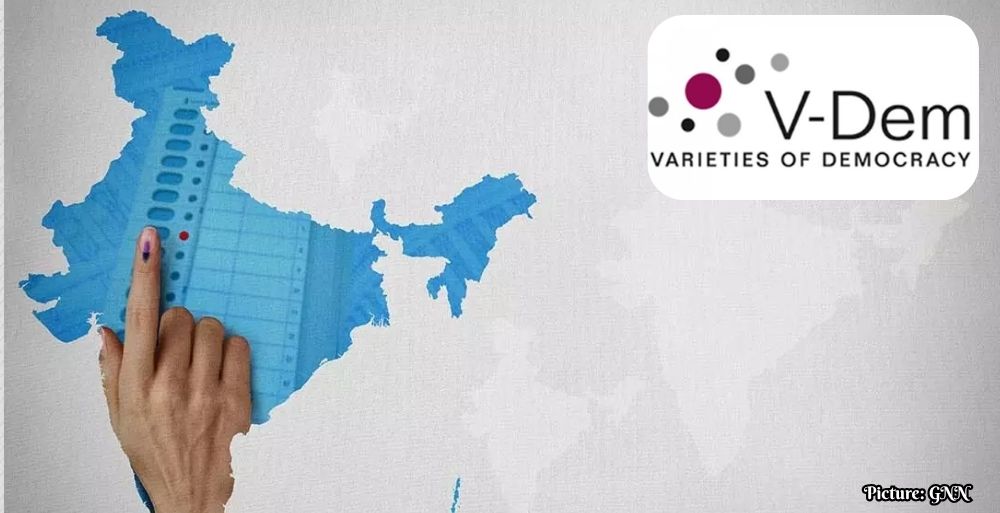
Recent evaluations from the Varieties of Democracy Institute and the UN Committee on the Elimination of Racial Discrimination suggest significant concerns regarding India’s democratic integrity, particularly highlighting issues of electoral roll management and treatment of minority communities.
In a striking revelation, the Varieties of Democracy (V-Dem) Institute has reported that India’s democracy index has fallen to its lowest level since 1975. This assessment comes amidst growing concerns from various international bodies regarding the state of democracy in the country. The report, published on September 1, 2026, presents a multidimensional perspective on the health of democracy in India, which has drawn attention to numerous challenges facing the electoral process and civil liberties.
The V-Dem Institute, based at the University of Gothenburg, employs a comprehensive methodology to analyze democratic governance, focusing on aspects such as electoral processes, political participation, and civil liberties. The latest findings indicate a worrying trend of democratic backsliding in India, reflecting broader issues that have been highlighted by both domestic and international observers.
UN CERD’s Concerns
On the heels of the V-Dem report, the United Nations Committee on the Elimination of Racial Discrimination (CERD) expressed its grave concerns regarding reports of large-scale violations of human rights by law enforcement in India. This marks the first review of India’s compliance with racial discrimination norms by CERD since 2007. Specific issues identified include the exclusion of significant numbers of voters, particularly among Muslim communities, during the Special Intensive Revision of electoral rolls.
The UN CERD’s remarks resonate with the findings from V-Dem, as both highlight the erosion of democratic principles and the potential disenfranchisement of minority groups. The committee noted that such actions could undermine the integrity of electoral processes and further marginalize already vulnerable populations.
Context of Democratic Erosion
The decline in India’s democratic standing as reported by V-Dem is not an isolated phenomenon; it reflects a broader narrative of political and social challenges that have arisen over recent years. Critics have pointed to a range of governmental actions, including restrictions on free speech, crackdowns on dissent, and policies perceived as discriminatory against religious minorities, particularly Muslims.
Historically, India has prided itself on being the world’s largest democracy, but the recent trends suggest a significant shift in how democratic institutions operate and are perceived by the public. According to V-Dem, India’s democracy score has decreased sharply, with key indicators such as political pluralism and civil liberties showing marked deterioration.
For instance, the report indicates that the government’s actions have increasingly been characterized by a lack of transparency and accountability. This has raised alarms among civil society organizations and international observers who advocate for democratic governance and human rights.
Responses from Political Leaders
In the wake of the V-Dem findings and UN CERD’s observations, political leaders and analysts have begun to weigh in on the implications of these reports. Some members of the ruling government have dismissed the assessments as politically motivated, arguing that they do not accurately reflect the realities on the ground. However, opposition parties have seized the opportunity to criticize the government’s handling of democratic institutions and civil rights.
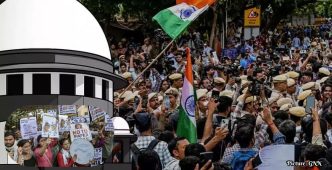
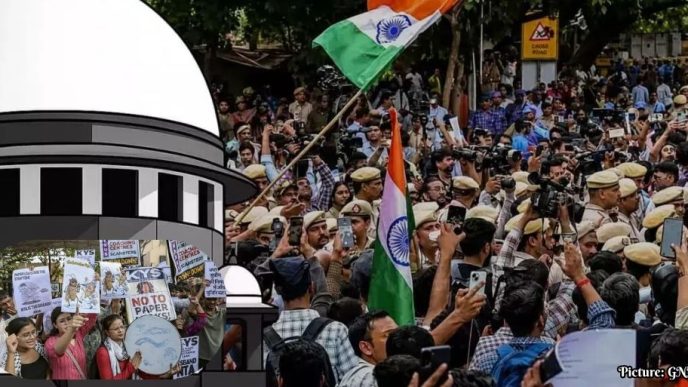
Union Education Minister Dharmendra Pradhan’s recent resignation, a response to protests over alleged examination irregularities and a NEET paper leak, has been cited as a sign of growing public discontent and the challenges the government faces in maintaining its legitimacy. Supporters of the opposition, particularly from the Cockroach Janta Party (CJP), have celebrated this resignation as indicative of broader systemic issues within the administration.
Implications for Future Governance
The implications of the V-Dem report and the UN CERD’s concerns are profound, as they call into question the future of democratic governance in India. As political tensions rise and civil liberties come under increasing scrutiny, the challenge for the Indian government will be to address these criticisms while maintaining public trust and ensuring that all citizens can participate fully in the democratic process.
The international community is likely to closely monitor developments in India, especially as the country prepares for upcoming elections. The findings from V-Dem and UN CERD may serve as a rallying point for advocacy groups and concerned citizens pushing for reforms aimed at restoring and strengthening democratic norms.
As India navigates these complex issues, the road ahead will require careful consideration of the balance between governance, civil rights, and the fundamental tenets of democracy that have long defined the nation.