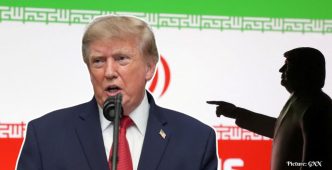
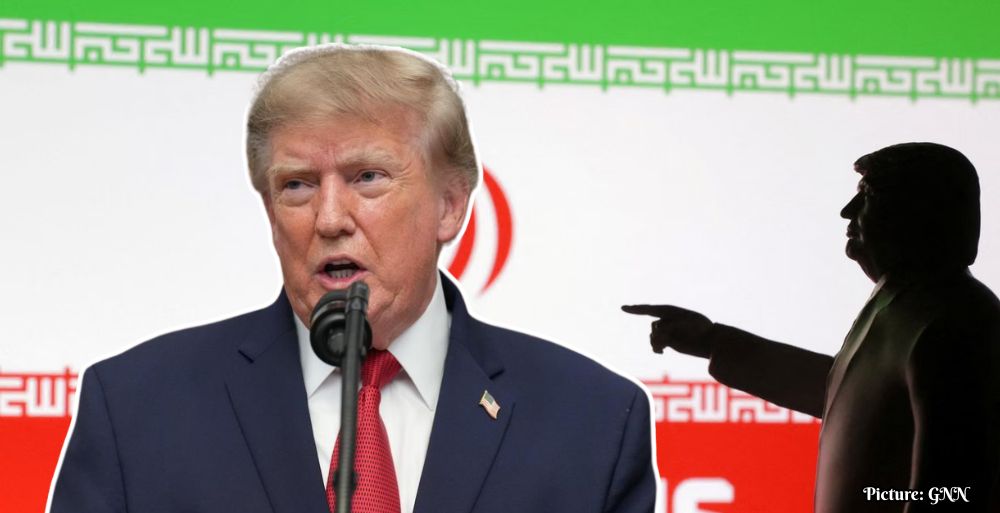
The United States government has announced a new wave of stringent sanctions targeting Iran, described as the toughest measures in history, in response to the nation’s actions and influence in regional conflicts.
The United States has officially introduced a series of unprecedented sanctions against Iran, marking a significant escalation in its efforts to counteract Tehran’s influence in the Middle East. The announcement was made by US officials on October 31, 2023, as tensions continue to rise following the recent conflict involving Israel and Hamas.
Background of the Sanctions
These sanctions come in the context of ongoing geopolitical instability in the region, particularly exacerbated by the recent flare-up of violence between Israel and Hamas, which has seen increased Iranian support for militant groups. The US government has long expressed concerns over Iran’s nuclear program, its ballistic missile capabilities, and its backing of proxy groups across the region, including Hezbollah in Lebanon and various factions in Iraq and Yemen.
The new sanctions are said to extend beyond previous measures, which already included extensive financial restrictions and export controls. US officials have emphasized that these recent actions are intended to cripple Iran’s economic capabilities and diminish its ability to fund militant activities.
Details of the Sanctions
Specific details regarding the scope of the sanctions have not been fully disclosed; however, sources indicate they include asset freezes and trade restrictions targeting key sectors of the Iranian economy, including oil production and export, which is a significant revenue source for the Iranian government. Historically, oil exports have constituted a substantial portion of Iran’s GDP, accounting for about 30% of the nation’s total economic output.
According to estimates, these sanctions could further reduce Iran’s oil exports by as much as 50%, significantly impacting its economy, which is already under pressure from previous sanctions and internal mismanagement. The US Treasury has stated that these measures are designed to hold the Iranian government accountable for its destabilizing activities while minimizing humanitarian impacts on the Iranian populace.
Responses from Iran and the International Community
In response to the announcement, Iranian officials condemned the sanctions, labeling them as an act of economic warfare that targets the Iranian people rather than the government. Iranian President Ebrahim Raisi stated that the sanctions would not deter Iran from pursuing its regional objectives and would instead strengthen their resolve against what they perceive as US aggression.
The international community’s reaction has been mixed. Some allies of the US have expressed support for the sanctions, citing the need to curb Iran’s influence and activities across the region. However, other nations, particularly those with economic ties to Iran, have criticized the sanctions as excessive and harmful to diplomatic efforts aimed at resolving tensions in the region.
Historical Context and Implications
Historically, sanctions have been a cornerstone of US foreign policy towards Iran, particularly following the 1979 Islamic Revolution and the subsequent hostage crisis. Over the years, various administrations have employed sanctions to respond to Iran’s nuclear ambitions and its role in regional conflicts. The most significant prior sanctions were implemented during the Obama administration, which aimed to curb Iran’s nuclear program through the Joint Comprehensive Plan of Action (JCPOA) negotiated in 2015. However, the US withdrawal from the agreement in 2018 under President Donald Trump led to a reinstatement of strict sanctions that have severely impacted the Iranian economy.
The current sanctions are viewed as part of a broader strategy by the Biden administration to reassert US influence in the Middle East and signal a commitment to its allies, particularly Israel, in the face of perceived threats from Iran. Analysts suggest that these measures could further complicate diplomatic relations and hinder the potential for future negotiations over Iran’s nuclear program.
Looking Ahead
As the situation evolves, the effectiveness of these sanctions will be closely monitored. Analysts will assess their impact on Iran’s economy and whether they lead to a change in Tehran’s policies. Additionally, the response from the Iranian government and its allies will be critical in determining the next steps in this ongoing geopolitical struggle.
The US government has indicated that it remains open to diplomatic solutions but emphasizes that any negotiations will take place only under conditions that ensure Iran ceases its destabilizing activities. This stance highlights the complex interplay between sanctions, diplomacy, and regional security dynamics that will shape the future of US-Iran relations.