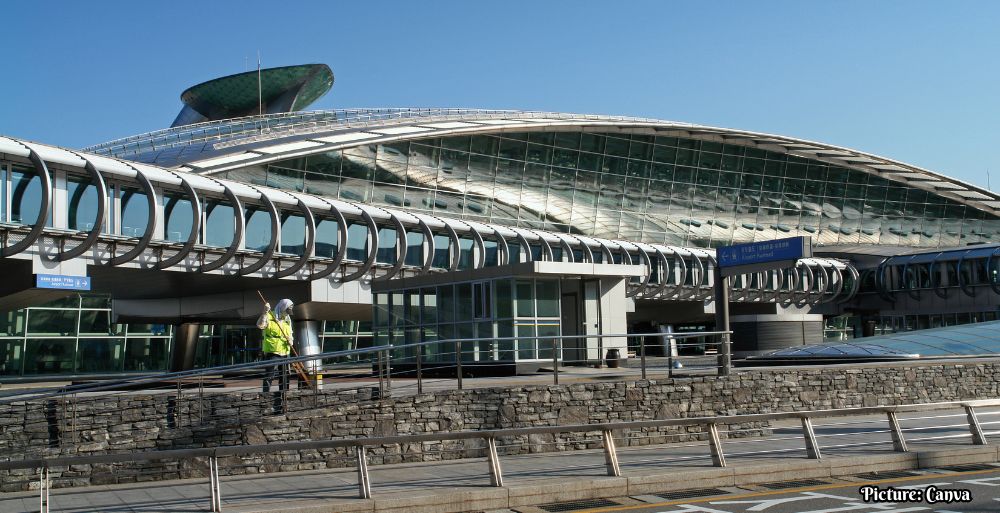
The shift in international air traffic dynamics has positioned Incheon International Airport as the world’s busiest, overtaking Dubai International Airport, primarily due to the impacts of the ongoing US-Iran conflict and changes in travel patterns.
SEOUL, South Korea — In a significant development in global aviation, Incheon International Airport has surpassed Dubai International Airport to claim the title of the world’s busiest airport, according to preliminary data from the Airports Council International (ACI). This notable shift is largely attributed to geopolitical disruptions, particularly the ongoing US-Iran conflict, which has significantly altered international travel patterns.
Data released by Incheon International Airport indicates that the airport served approximately 38.4 million international passengers during the first half of 2026. This figure positions Incheon to attain the top rank in the forthcoming ACI World Airport Traffic Report, set to be published next month. If confirmed, this would mark the first time Incheon has held this coveted position since its opening in 2001.
Impact of the US-Iran War
Dubai International Airport, which held the title of the world’s busiest airport for international traffic for the past 12 years, is projected to fall outside the top five in the current rankings. This decline in passenger numbers is particularly pronounced; data from ACI shows a significant drop from 7.4 million passengers in February 2026 to just 2.5 million in March 2026, coinciding with the onset of the US-Iran conflict. The war has reconfigured global air travel routes, as many travelers are compelled to seek alternative paths amid widespread airspace closures.
In contrast, Incheon Airport has reported an 18% increase in transfer passengers, suggesting a shift in travel behavior. Many passengers who previously used Dubai as a transit point are now opting to transfer in Asian hubs, with Incheon being a primary beneficiary of this trend. Such changes underscore the broader impact of geopolitical tensions on air travel.
Global Rankings and Passenger Numbers
Following Incheon International Airport in the rankings is London Heathrow, which is expected to secure the second position with approximately 37.79 million passengers in the first half of the year. Singapore’s Changi Airport is projected to rank third, having recorded 34.53 million international passengers during the same period. These shifts highlight evolving travel preferences influenced by a myriad of global events.
Incheon International Airport’s rise to prominence can also be attributed to strategic infrastructure investments. An expansion project completed in 2024 has significantly increased the airport’s capacity, enabling it to accommodate greater passenger volumes. Currently, Incheon serves a total of 101 airlines and connects to 158 international destinations. Additionally, the surging global interest in Korean culture—evident in the popularity of K-dramas, music, and cuisine—has further fueled the airport’s growth in passenger numbers.
Dubai’s Previous Dominance
Before the outbreak of the conflict, Dubai was enjoying a robust trajectory as a leading global tourism destination. In April 2026, Dubai International Airport was recognized as the busiest airport for international passengers in 2025, welcoming 95.2 million passengers over the previous year. This figure represented a 3.1% increase from 2024 and a substantial 10.3% increase compared to pre-pandemic levels in 2019. However, this upward trajectory has been abruptly disrupted by the geopolitical tensions in the region.
The ongoing situation in the Middle East has led the European Union Aviation Safety Agency (EASA) to extend its conflict zone advisory for the Gulf region until August 31, 2026. This prolonged advisory raises questions about when air traffic in the region can return to pre-war levels, adding complexity to the future for airports like Dubai.
Looking Ahead
The implications of these changes in air traffic dynamics extend beyond mere passenger numbers. Airports and airlines may need to reassess their operational strategies in light of shifting travel patterns and the potential for continued geopolitical instability. The aviation industry, which has been gradually recovering from the impacts of the COVID-19 pandemic, now faces additional challenges stemming from ongoing international conflicts.
As Incheon International Airport prepares to solidify its position as the world’s busiest airport, the future of air travel in the Gulf region remains uncertain. Stakeholders within the aviation sector will be closely monitoring these developments as they adapt to an increasingly complex global landscape. The situation serves as a reminder of how quickly geopolitical events can reshape the aviation industry and influence traveler behavior on a global scale.