The United Nations General Assembly has commenced its 81st session with a focus on restoring trust in the institution during a period marked by conflict, humanitarian crises, and climate challenges, as new president Khalilur Rahman outlines key priorities for the year.
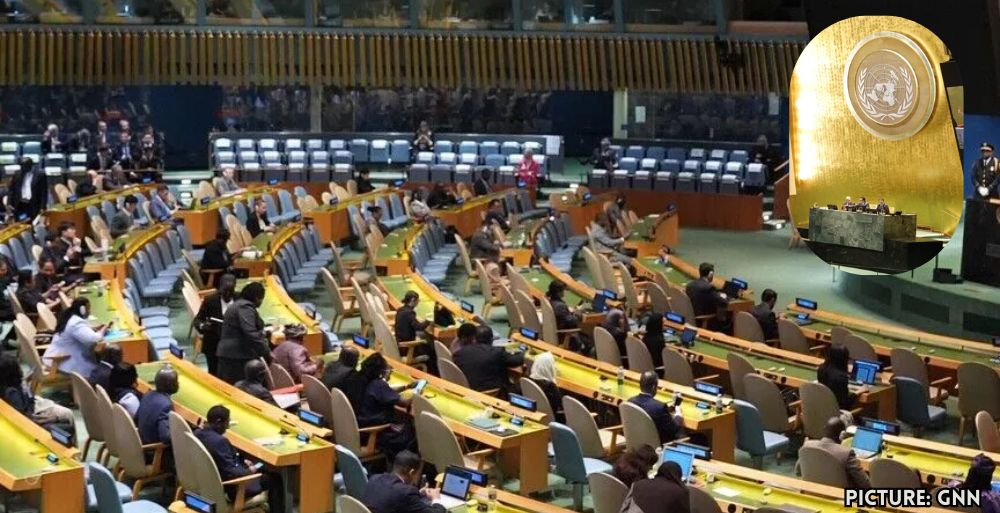
The United Nations General Assembly convened its 81st session on September 8, 2026, at its headquarters in New York City, ushering in a new leadership era under President Khalilur Rahman of Bangladesh. The session commenced with a renewed commitment to restore public trust in the UN amid escalating global crises, including ongoing wars, humanitarian needs, and climate change.
Following the ceremonial transfer of the iconic Icelandic wooden gavel from outgoing president Annalesa Baerbock, Rahman articulated a central theme for the upcoming year: “Restoring trust, managing transformation: A United Nations that delivers for all.” He emphasized the necessity of evolving the UN to meet contemporary global challenges, stating, “We must make the United Nations fit for the future… This is not 1945. The world has moved on. The Organization must move on, and I’ll help that process.”
Key Priorities for the Year
In his inaugural address, Rahman outlined several priorities aimed at revitalizing the UN’s role in international governance:
- Silence the guns, amplify the voices: Focus on peace, security, and justice for all.
- No one left behind, no country left out: Accelerate progress towards the 2030 Sustainable Development Goals (SDGs).
- Our planet, our pact: Enhance climate resilience and promote environmental sustainability.
- Rights and protection: Uphold human rights, humanitarian efforts, and the protection of refugees and migrants.
- Innovation with inclusion: Address digital governance and the responsible use of artificial intelligence.
- We the peoples, reimagined: Pursue renewed multilateralism, UN reform, and inclusive global governance.
Challenges Ahead
UN Secretary-General António Guterres lauded Baerbock’s contributions during her term and emphasized the urgency of Rahman’s objectives, particularly in light of the ongoing geopolitical divisions, the threat of nuclear escalation, and persistent global inequalities. Guterres noted that the “global problem-solving system is more crucial than ever” in these tumultuous times, yet he cautioned that existing institutions are struggling to adapt to current realities.
“Rebuilding trust in the multilateral system is the defining challenge of our time,” Guterres stated. He highlighted the urgent need for effective solutions that are increasingly blocked by geopolitical mistrust and the erosion of faith in global cooperation.
A Vision for the Future
In his remarks, Guterres expressed hope for the future, citing the UN’s historical role as a platform for confronting the world’s pressing issues through diplomacy and collaboration. He urged Assembly members to recommit to the principles of international law and human rights, which he described as frequently disregarded in today’s geopolitical landscape.
“Through diplomacy, dialogue, and collaboration, this Assembly can rebuild the trust and good faith that is missing from our geopolitics today and ensure the people of the world inherit a better, healthier, and more peaceful future,” he asserted.
The Importance of the UN
Reflecting on her time as president, Baerbock underscored the UN’s indispensable role in international affairs despite its shortcomings. She urged Member States to consider the alternatives to a world without the UN, citing the critical contributions of UN agencies such as UNICEF in providing education for millions of children and ensuring the safety of women through peacekeeping efforts.
“Make no mistake, in spite of its shortcomings, not a single day, not a single country, would be better off without the UN,” Baerbock stated, emphasizing the need for public awareness of the UN’s positive impact amidst a media landscape that often favors negative narratives.
Transitioning Leadership
Khalilur Rahman, who previously served as Bangladesh’s Foreign Minister and held various senior roles within the UN, takes on the presidency during a critical juncture for the organization. His experience as a long-time diplomat and advocate for international cooperation positions him to address both the immediate and long-term challenges facing the UN.
As the 81st session progresses, Rahman’s leadership will be closely watched, particularly as the Assembly prepares to select the next UN chief, who will assume office in January 2027. The outcomes of this session may significantly influence the UN’s ability to navigate the complex global landscape and restore faith in multilateral cooperation.
Global Context and Implications
The backdrop to this session is a world increasingly characterized by conflict and division, with the war in Ukraine, tensions in the South China Sea, and ongoing humanitarian crises in regions such as the Middle East and Africa. These multifaceted challenges underscore the critical need for a reformed UN that can effectively address the complexities of modern geopolitics.
The Assembly’s focus on the Sustainable Development Goals is particularly poignant, as the 2030 deadline approaches without many targets being met. UN data indicates that as of 2023, global hunger rates have risen to levels not seen in decades, with approximately 828 million people suffering from hunger. Rahman’s commitment to ensuring that “no one left behind, no country left out” resonates with this urgent reality.
Furthermore, the emphasis on climate resilience reflects a growing consensus that climate change poses one of the most significant threats to global stability. The latest reports from the Intergovernmental Panel on Climate Change (IPCC) highlight that without immediate action, the world will face catastrophic consequences, making the UN’s role in fostering international agreements and cooperation on climate action more vital than ever.
As Rahman embarks on his presidency, the success of the 81st session will depend on the Assembly’s ability to unite member states around shared goals and restore trust in the UN as a fundamental player in addressing global issues. The effectiveness of his leadership will be determined by how well he can navigate the challenges of geopolitical tensions, climate change, and humanitarian crises while fostering a renewed commitment to multilateralism.