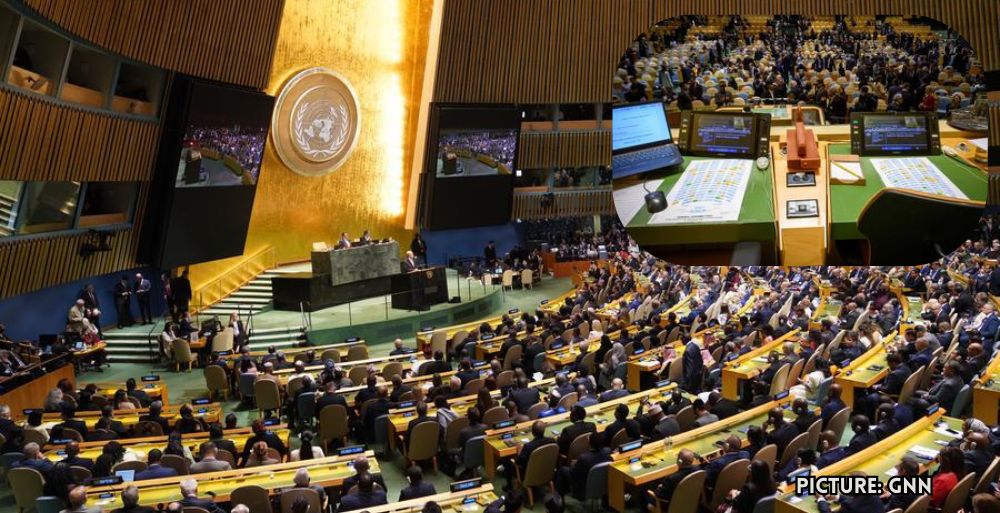
The 2026 United Nations General Assembly concluded its six-day debate with a strong emphasis on peace, highlighting urgent global challenges and the need for significant reform within international institutions.
The 2026 United Nations General Assembly (UNGA) wrapped up its six-day general debate on September 28, 2026, with a collective call for immediate action to address pressing global issues such as conflict, inequality, and the rapid evolution of technology. General Assembly President Khalilur Rahman underscored the indispensable role of the UN in navigating these challenges during his closing remarks.
Key Themes from the General Debate
Throughout the discussions, leaders from the UN’s 193 member states articulated several critical themes that emerged as focal points of concern:
1. The Imperative of Peace: Peace was emphasized not merely as a goal but as a crucial necessity. President Rahman noted that leaders spoke of peace as an urgent defense of the UN Charter and international law, particularly in protecting civilians caught in conflict zones.
2. Development Under Threat: The President provided a sobering assessment regarding the Sustainable Development Goals (SDGs), revealing that only a small fraction is currently on track to be achieved. He responded affirmatively when asked if more should have been done to advance these goals, stating, “The answer must be a resounding yes,” signaling a collective recognition of the need for increased commitment and action.
3. The Impact of Inequality: President Rahman highlighted that countries facing significant debt burdens, climate vulnerabilities, and fiscal constraints often lack a substantial voice in shaping global economic policies. This inequality was identified as a barrier to effective international cooperation and progress.
4. Human Rights Challenges: The debate also brought to light the complexities of defending human rights, particularly for vulnerable groups such as minorities, migrants, and women. The President noted the ongoing exclusion of women and girls from critical areas of society, including education and employment, as a pressing issue that requires urgent attention.
5. The Rise of Artificial Intelligence (AI): A notable shift in dialogue was the significant increase in discussions surrounding artificial intelligence. President Rahman pointed out that while only five delegations addressed AI in 2022, this year saw a surge to 128. Leaders expressed both optimism regarding AI’s potential and concerns about governance, accountability, and equitable access to this transformative technology.
AI and Governance
In addressing the emergence of AI, President Rahman emphasized the necessity for governance frameworks that are human-centered. He articulated a critical perspective, stating, “No machine possesses democratic legitimacy. No algorithm inherits constitutional responsibility,” thus underscoring the essential role of human agency in the governance of AI systems. The discussions raised significant questions regarding who designs these technologies, who benefits from them, and who bears the associated risks.
Calls for Institutional Reform
Another vital topic during the debate was the urgent need for reform within UN institutions. President Rahman argued that mere administrative adjustments would not adequately address the challenges confronting the UN in the current global landscape. He called for deeper political reforms, particularly highlighting the continued exclusion of African nations from permanent membership in the UN Security Council, which he characterized as a profound injustice.
In his view, the effectiveness of multilateralism should be evaluated based on tangible outcomes rather than procedural metrics. He urged that collective actions must lead to meaningful changes on the ground, rather than simply generating resolutions that lack real-world impact.
Looking Ahead: The Work Continues
While the General Debate has concluded, the work of the General Assembly is far from over. The Assembly will transition into substantive discussions addressing global issues, with a busy agenda that includes the election of key officials and budget considerations set to unfold from October through December 2026.
One particularly consequential decision ahead is the appointment of the next UN Secretary-General, following a recommendation from the Security Council. This new leader will succeed António Guterres on January 1, 2027, and their leadership will be pivotal as the UN continues to tackle the multifaceted challenges facing the global community.
As President Rahman aptly summarized in his closing remarks, “This is only the beginning of the session,” indicating that the discussions held during the General Debate are merely a precursor to the extensive negotiations and collaborative efforts required in the months to come. The Assembly’s ongoing work underscores the UN’s commitment to addressing the critical issues that shape our world today.