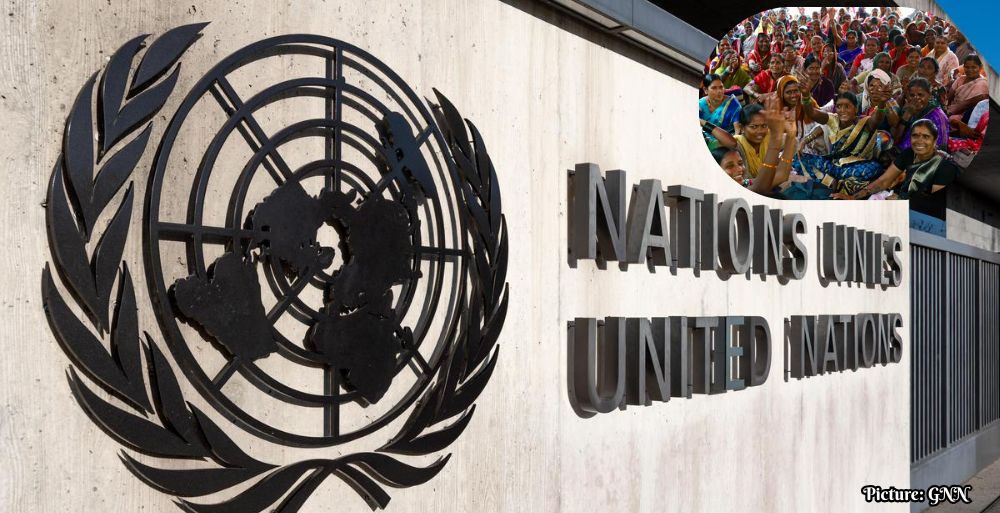
The UN Committee on the Elimination of Racial Discrimination has called on the Indian government to address rising incidents of hate speech and hate crimes, particularly targeting Bengali-speaking Muslims, amid a robust denial from official sources in India.
The United Nations Committee on the Elimination of Racial Discrimination (UNCERD) has expressed significant concern regarding the state of human rights in India, particularly highlighting the increasing incidents of hate speech and violence against various ethnic and religious groups. During the 11th periodic review of India’s compliance with the Convention on the Elimination of All Forms of Racial Discrimination, held on August 25, 2026, the Committee outlined alarming trends affecting marginalized communities, including scheduled tribes, scheduled castes, Dalits, and Rohingya refugees.
In response to the Committee’s findings, the official Indian delegation, led by Solicitor General Tushar Mehta, categorically rejected the UNCERD’s assessments. Official sources indicated that the Indian representatives characterized the findings as sweeping generalizations that lacked substantive evidence. In their statements, the delegation highlighted India’s constitutional safeguards, a comprehensive legal framework, its commitment to pluralism, and ongoing efforts to protect disadvantaged communities. “The remarks made during the review exceed the Committee’s mandate and do not adequately acknowledge India’s legal and institutional frameworks for safeguarding human rights,” stated a government official.
Escalating Concerns Over Racially Motivated Violence
In its press note, the UNCERD conveyed that it was “gravely concerned” about reports of large-scale human rights violations perpetrated by law enforcement agencies against various groups, including ethnic minorities, Indigenous Peoples, Dalits, and non-citizens. The Committee’s findings assert that these communities have faced numerous abuses, such as racially motivated violence, excessive use of force, extrajudicial killings, arbitrary detention without due process, torture, and sexual violence. Such allegations highlight the precarious situation faced by these marginalized groups within the Indian socio-political landscape.
The Committee urged the Indian government to conduct prompt, thorough, and impartial investigations into these allegations and ensure accountability for those responsible for these violations. This call for action coincided with the ninth anniversary of the Rohingya refugee crisis, which has drawn international scrutiny and concern regarding the treatment of this vulnerable population in India.
Targeted Operations and Racial Profiling
The findings of the UNCERD pointed to a disturbing trend of law enforcement operations targeting Rohingya refugees, Bengali-speaking Muslims, migrants, and asylum-seekers. Notably, these operations reportedly intensified following a 2017 Home Affairs order and the April 2025 Pahalgam attack in Kashmir, contributing to an environment characterized by heightened scrutiny and racial profiling by police. The Committee noted that such practices have led to arbitrary arrests and detentions, raising serious concerns about compliance with international human rights standards.
The UNCERD’s statement emphasized the urgent need for India to address discrimination, hate speech, and hate crimes against these communities. It underscored the importance of protecting their rights, refraining from collective expulsions, and ensuring access to international protection in accordance with the principle of non-refoulement, which prohibits the return of refugees to countries where they may face serious threats to their lives or freedom. These recommendations reflect the Committee’s commitment to advocating for vulnerable populations in the face of systemic injustice.
Indian Government’s Position and Future Implications
In light of the UNCERD’s findings, the Indian government has reiterated its commitment to protecting human rights and fulfilling its constitutional obligations. Solicitor General Mehta, leading the delegation, emphasized that India is dedicated to pluralism and diversity, and has established a robust legal framework designed to safeguard the rights of all citizens, regardless of their ethnic or religious backgrounds. This assertion highlights the ongoing tension between the Indian government’s narrative of progress and international critiques of its human rights record.
This ongoing dialogue between the Indian government and international bodies such as the UNCERD raises crucial questions about the future of human rights advocacy in India. The potential for further discussions and reforms regarding these pressing issues is significant, particularly as the world watches how India responds to the allegations of hate speech and violence against specific communities. The implications of these findings may influence India’s international standing and its relationships with global human rights organizations.
As the UNCERD continues to monitor India’s adherence to international human rights standards, the situation surrounding hate speech and violence against vulnerable communities remains a critical point of contention. The findings and recommendations from the Committee not only serve as a reflection of the current human rights landscape in India but also as a call to action for the Indian government to ensure that all citizens, regardless of their identity, are afforded the protection and rights they are entitled to under national and international law.