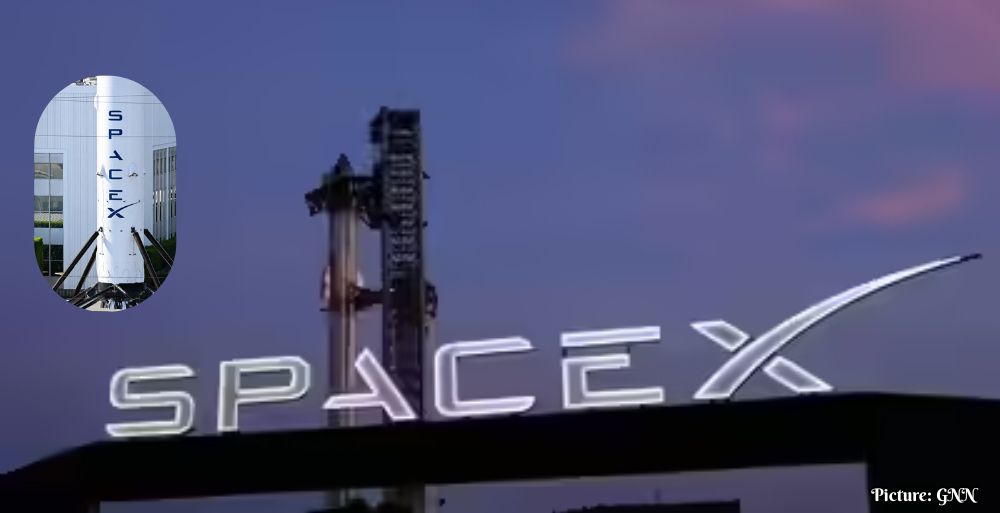
SpaceX has announced plans to build a $100 billion spaceport in Louisiana, projected to become the largest launch site in the world, with thousands of launches anticipated annually, contingent on regulatory approvals and successful tests of its Starship rocket.
SpaceX made headlines on Tuesday by unveiling an ambitious plan to construct a massive spaceport in Louisiana, which is expected to require an investment of $100 billion. This facility, referred to as “Starbase, Louisiana,” aims to facilitate thousands of launches of the Starship rocket each year, fundamentally reshaping the U.S. space landscape. Construction is anticipated to begin by the end of 2024, with the first launch potentially occurring as early as 2029.
This development marks a significant turning point for both SpaceX and the U.S. rocket industry, as Louisiana has never before hosted an orbital launch. The establishment of Starbase, Louisiana, could position the state as a central hub for space operations, rivaling existing launch sites in terms of activity and innovation.
Project Overview and Infrastructure Plans
The proposed spaceport will be situated in Vermilion Parish, located near the southern coast of Louisiana. Elon Musk, CEO of SpaceX, highlighted the project’s vast scale, stating on his social media platform, X, that “Starbase Louisiana will ultimately have over a dozen launch towers, enabling more than 30 Starship flights per day and making it the biggest launch site on Earth!” This ambitious projection underscores SpaceX’s vision of a highly active launch environment that could redefine space travel.
During the announcement event in Louisiana, Gwynne Shotwell, SpaceX’s Chief Operating Officer, provided further insights into the project. She described it as a “self-sustaining spaceport” equipped with its own propellant production capabilities, power generation facilities, deep-water shipping access, vehicle processing areas, and potentially an airport. Such comprehensive infrastructure would support not only launch activities but also the broader logistics necessary for a high-frequency space operation.
The planning process for the spaceport has been ongoing for several months, with SpaceX leadership engaging with Louisiana’s elected officials to identify suitable locations. Some local news outlets have characterized the project as the state’s “worst kept secret,” indicating that the discussions surrounding it have been extensive. Louisiana Governor Jeff Landry, a Republican, praised the initiative as a pathway to “a permanent future and lasting prosperity” for the state, contrasting it with the historical exploitation of its resources by external industries.
Regulatory Hurdles and Environmental Considerations
Despite the optimism surrounding the project, several uncertainties remain. The Starship rocket is not yet operational, and SpaceX is poised to conduct a crucial test flight as early as September, which could be pivotal in determining the rocket’s capability to reach orbit. The success of this test flight, along with subsequent tests, will be vital for the long-term viability of the Louisiana spaceport.
Furthermore, the project is expected to undergo extensive regulatory reviews. These assessments will encompass environmental impact studies, wetlands evaluations, and various launch-related considerations. Historical precedents indicate that the regulatory processes for SpaceX’s Texas facilities, which are significantly smaller than the proposed Louisiana site, took nearly a decade to complete. Local environmental advocacy groups have previously raised concerns about the impact of rocket testing on communities, and similar issues may arise as the Louisiana project advances.
In response to environmental concerns, Shotwell assured that SpaceX intends to preserve “very large portions” of the 125,000 acres designated for the spaceport as untouched wetlands. She stated, “We will help fund protection, restoration, and stewardship while we build,” highlighting a commitment to environmental stewardship alongside industrial development.
Shifting Dynamics in Space Operations
This announcement reflects a broader strategic shift within SpaceX as the company begins to phase out its Falcon 9 rockets, which have served as its mainstay launch vehicles. Earlier on the same day, SpaceX Vice President of Launch, Kiko Dontchev, confirmed that a Falcon 9 rocket launched from Florida would be the last to carry Starlink satellites from that location, marking a transition to Starship for future missions. This transition is indicative of SpaceX’s confidence in its new rocket system, which it envisions will become the primary vehicle for its operations.
While SpaceX plans to continue launching Starship rockets from its Texas facilities and anticipates possibly beginning flights from Florida later this year, the envisioned Louisiana spaceport is set to become its largest operational base. The implications of such a facility could extend beyond economic development, potentially reshaping the U.S. space industry and influencing global launch dynamics.
As stakeholders monitor the progress of the project, regulatory landscapes, and the outcomes of upcoming test flights, the feasibility and timeline of Starbase Louisiana will be critical in determining how this ambitious plan unfolds. The establishment of such a significant spaceport in Louisiana could pave the way for unprecedented advancements in space travel and exploration, positioning SpaceX at the forefront of the next generation of aerospace innovation.