Recent data indicates a significant improvement in reading scores among U.S. students in grades K-8, suggesting that new educational policies may be positively influencing literacy rates following a prolonged period of stagnation due to the COVID-19 pandemic.
In a notable development for U.S. education, recent findings from the NWEA, a research organization focused on educational assessment, reveal that reading scores for students in grades K-8 have improved markedly over the past year. This increase has effectively narrowed the achievement gap from pre-pandemic levels by one-third, signaling a potential turning point in the ongoing challenge of enhancing literacy among American students.
According to NWEA’s data, the improvements come after several years of stagnation, with experts attributing this positive trend to recent policy changes implemented at the state level. These changes align literacy instruction with the principles of the science of reading, which emphasizes systematic phonics instruction, vocabulary development, and comprehension strategies.
Context of Recent Improvements
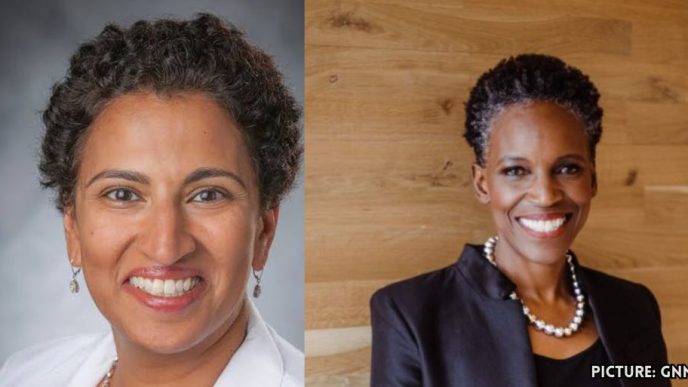
The educational landscape has been significantly impacted by the COVID-19 pandemic, which disrupted learning and exacerbated existing disparities in student achievement. Megan Kuhfeld, the director of growth modeling and data analytics at NWEA, remarked, “The kind of improvements we saw from 2025 to 2026, so this last year in reading, really stood out because we had seen such stagnation for the four years previously.” Her insights reflect a consensus among educators and policymakers that while schools have returned to more typical operations, tangible progress in reading achievement was lacking until now.
The data indicates that the most substantial gains have been observed among historically marginalized student populations, including Black and Hispanic students, as well as those from high-poverty backgrounds. These groups experienced significant declines in reading proficiency during the pandemic, making the recent improvements particularly encouraging. Kuhfeld added, “The fact that we saw these kinds of small improvements, but still meaningful improvements over the last year, was really encouraging.”
Impact of State-Level Policies
Approximately half of U.S. states have enacted laws or requirements mandating that schools align their literacy instruction with the science of reading. This shift away from the balanced literacy approach, which often emphasizes whole-word recognition and context cues, marks a significant change in educational policy. Jonathan Butcher, acting director of the Center for Education Policy at the Heritage Foundation, noted, “This is likely a reflection of what some state lawmakers have done to pay attention to that subject specifically.”
Despite the positive trends indicated by the NWEA data, experts caution that these improvements may not be sustained without continued support and investment. Weadé James, senior director for K-12 education policy at the Center for American Progress, warned, “We’ve seen this before, where there’s a period of growth and then we see a decline.” With the expiration of COVID-19 relief funding, the sustainability of these educational initiatives remains uncertain.
Long-Term Literacy Challenges
While the recent data shows a reduction in the achievement gap, a significant two-thirds gap still exists between current reading levels and pre-pandemic benchmarks. This disparity underscores the ongoing challenges facing literacy education in the U.S. The Nation’s Report Card has documented a concerning decline in reading habits among adolescents; only 14 percent of 13-year-olds reported reading for pleasure daily in 2025, a significant drop from 27 percent in 2012.
Further compounding these issues, the 2025 Program for International Student Assessment revealed that 15-year-olds in the U.S. experienced a 14-point decline in reading scores since the last assessment in 2022. This trend highlights the critical need for a comprehensive approach to literacy that not only focuses on reading skills but also prioritizes the quality and relevance of the content being delivered in classrooms.
Strategies for Sustained Improvement
In light of these findings, educational experts advocate for a multifaceted strategy to bolster literacy rates. This strategy includes maintaining fidelity to the science of reading, expanding tutoring opportunities, implementing early literacy screenings, and providing high-quality professional development for educators. James emphasized the importance of a cohesive educational system, stating, “We need to make sure we don’t have a fragmented system, that literacy should really be looking at the entirety of a child’s schooling.”
As the education community reflects on these recent improvements, the emphasis will likely remain on maintaining momentum in reading achievement while addressing the long-standing disparities that have been exacerbated by the pandemic. The future trajectory of literacy education in the United States will depend on the sustained commitment of policymakers, educators, and communities to prioritize effective literacy instruction and provide adequate resources and support for all students.