
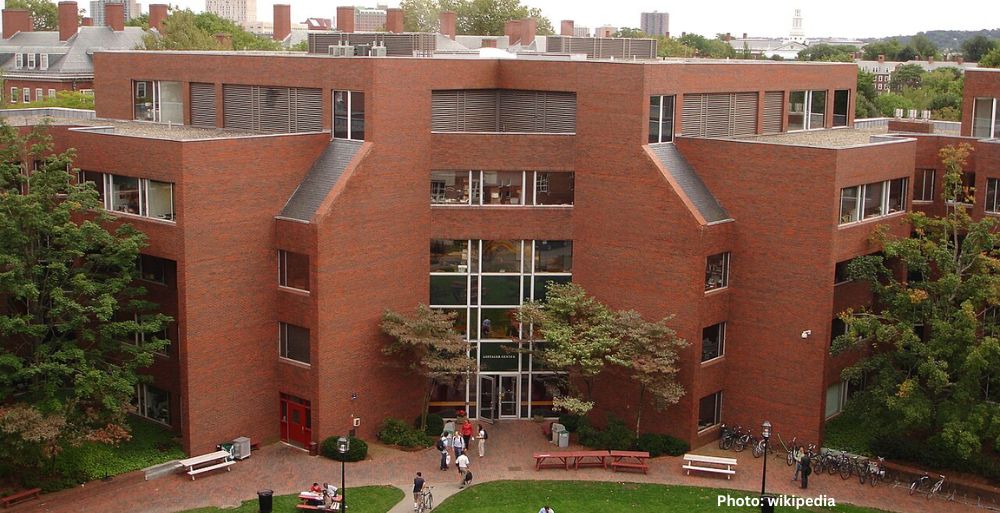
Professors from renowned U.S. institutions, including Harvard and MIT, are migrating to Canada as the nation invests in attracting research talent amidst tightening funding and increased oversight in American higher education.
In a noteworthy development within the academic landscape, professors from prestigious U.S. institutions such as Harvard University and the Massachusetts Institute of Technology (MIT) are relocating to Canadian universities. This trend is largely driven by concerns over declining research funding and increasing governmental oversight in the United States, particularly during the Trump administration. Canada has successfully recruited 48 senior academics from the U.S. as part of a broader initiative that includes a total of 64 researchers from 13 different countries.
This recruitment effort was announced by the Canadian government, which will allocate over C$541 million (approximately US$382.57 million) over the next eight years to support research that aligns with its strategic priority areas. Notable institutions represented among the new recruits include Yale, Carnegie Mellon University, the University of Massachusetts, and the University of California, Berkeley. The focus of their research spans critical fields such as sustainability, climate change, and environmental science—areas notably affected by funding cuts in the U.S.
Canada’s Commitment to Research and Innovation
Mélanie Joly, Canada’s Minister of Industry and Minister responsible for Canada Economic Development for Quebec Regions, underscored the significance of this initiative, stating, “At a time when parts of the world are turning away from science, Canada is doubling down. Attracting top talent will deliver breakthroughs that improve Canadians’ lives and advance Canada’s position as a global leader in science and innovation.” Joly’s remarks reflect a broader strategy to fortify Canada’s status in the global research community at a time when U.S. government support for scientific endeavors is increasingly uncertain.
The recruitment is part of Canada’s Global Impact+ Research Talent Initiative, which has a budget of C$1.7 billion (US$1.2 billion) and was launched in 2024. This initiative aims to attract world-leading researchers to Canada, responding to an environment in the U.S. where federal support for scientific research has come under scrutiny and criticism. The Trump administration’s policies have been perceived as increasingly hostile to academic freedom, prompting many researchers to seek opportunities elsewhere.
The Effects of U.S. Funding Cuts
The impact of the current political climate on U.S. higher education institutions has been profound. The Trump administration has leveraged federal funding as a tool to exert pressure on several leading universities, creating an atmosphere of uncertainty. For instance, in April 2025, reports emerged that the federal government froze C$2.3 billion (approximately US$1.7 billion) in research funding to Harvard University after the institution resisted government demands. Columbia University faced a similar fate, with potential termination of C$400 million in grants and contracts. Such actions have raised significant alarms among scientists and university officials, who warn that political interference could undermine the integrity of research and innovation.
In light of these challenges, receiving universities in Canada have expressed enthusiasm about welcoming new faculty members. The University of British Columbia, which will host nine of the incoming researchers, conveyed its excitement, with the institution’s president noting that these scholars will have a significant and meaningful impact on their fields. Similarly, the president of the University of Toronto, where six researchers will be joining, emphasized that government support would bolster the university’s research capabilities amid a challenging international landscape.
Concerns About Academic Freedom
Many of the scientists who have chosen to leave the U.S. cite concerns regarding declining academic freedom and increasing government oversight as primary motivators for their departure. For over a year, researchers at several prominent institutions have faced diminishing funding and heightened scrutiny from federal authorities. This trend has prompted widespread concern regarding the potential for government intervention in scientific funding decisions, which many academics believe disrupts their ability to conduct research effectively.
Phillip Zamore, a researcher specializing in RNA biology who previously worked at the University of Massachusetts, shared his insights with WBUR, explaining the challenges he encountered while attempting to recruit talented individuals for his research team. “I cannot do my best work in America. I can’t recruit the best people to help me do that, and I can’t promise them an environment where they’ll be safe,” Zamore stated. He has since accepted a position at McGill University in Montreal, Quebec, where he is set to receive at least C$12 million over eight years, along with additional funds for equipment to establish his new laboratory.
Zamore’s experiences reflect a broader sentiment among academics who feel constrained by the current funding landscape in the U.S. Many researchers have reported difficulties in maintaining staff and pursuing new projects due to funding cuts and administrative roadblocks. In this context, Canada’s proactive approach to attracting top-tier researchers not only enhances its research capabilities but also positions the nation as a refuge for academics seeking a more supportive environment to advance their work.
Implications for the Future of Research
The relocation of U.S. academics to Canada may have far-reaching implications for the future of research and innovation in both countries. As Canada actively cultivates a more favorable research environment, the U.S. risks losing its status as a global leader in scientific inquiry. The departure of prominent researchers could lead to a brain drain, further exacerbating the challenges faced by American institutions in maintaining their competitive edge in various fields of study.
Moreover, as Canada invests heavily in attracting talent and fostering innovation, it may catalyze a shift in the global academic landscape. The influx of distinguished researchers could enhance Canada’s capabilities in addressing pressing global challenges such as climate change and technological advancement, positioning the country as a formidable player in the international research arena.
In conclusion, the movement of U.S. academics to Canada amid concerns over funding and oversight reflects a significant shift in the academic landscape. As Canada embraces this opportunity to bolster its research community, the long-term effects on both nations’ academic institutions and their respective roles in global research remain to be seen.