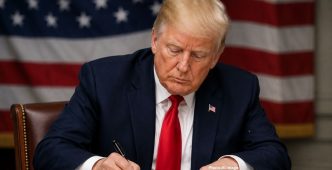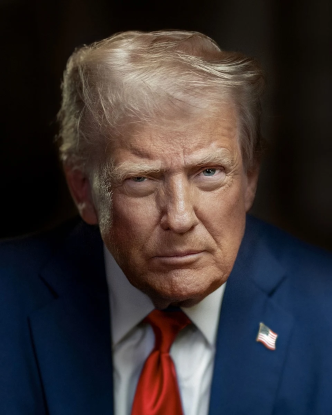
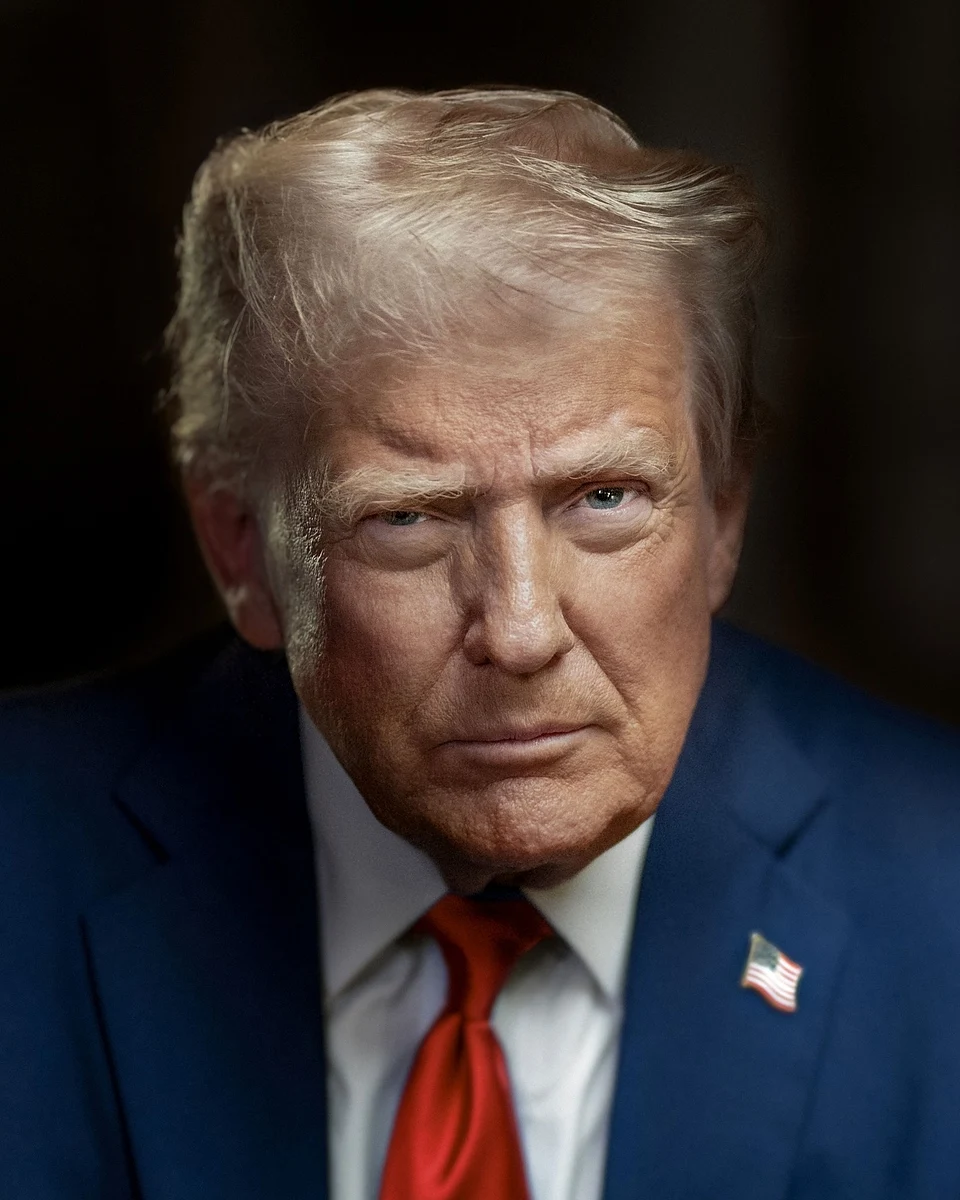
President Donald Trump is set to embark on a significant overseas trip to Asia, marking his first international visit following substantial losses for the Republican Party in the recent midterm elections. This trip underscores a potential shift towards prioritizing foreign policy as his presidency nears its conclusion.
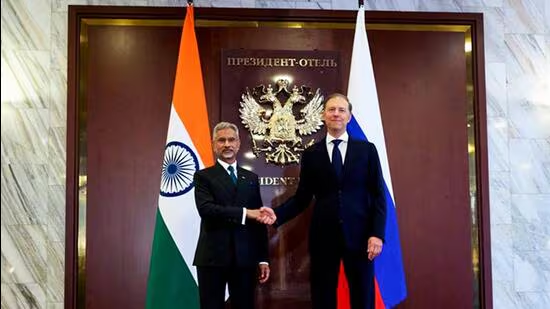
On Tuesday, President Donald Trump will arrive in Manila, Philippines, to participate in the Association of Southeast Asian Nations (ASEAN) summit. This event will kick off a series of high-stakes diplomatic engagements, culminating in a trilateral meeting with Chinese President Xi Jinping and Russian President Vladimir Putin during the Asia-Pacific Economic Cooperation (APEC) forum in Shenzhen, China.
During the ASEAN summit, President Trump is expected to sign a trade agreement with Thailand, advocate for additional trade deals with Southeast Asian nations, and encourage leaders to favor U.S. interests over those of China in the realm of artificial intelligence. Trump’s engagement with ASEAN comes at a time when the U.S. is eager to reaffirm its presence in Asia amid rising Chinese influence.
Trilateral Summit Highlights and Strategic Context
The upcoming trilateral summit is notable as it represents the first gathering of the three leaders in this format. White House officials have indicated that the focus of the discussions will not involve contentious issues such as the ongoing war in Ukraine, despite concerns from Kyiv that the meeting could lead to unfavorable concessions for Ukraine. Instead, Trump has stated that the primary agenda will center around trade agreements and discussions on denuclearization.
Trump’s administration has come under scrutiny regarding its approach to China, especially in light of recent controversies involving Nvidia, a major tech company. Following revelations that Nvidia’s CEO, Jensen Huang, resigned amid an alleged affair with a suspected Chinese spy, there are calls for Trump to address security concerns regarding U.S. technology transfers to China during his meeting with Xi. However, administration officials have downplayed these calls, asserting that the focus will remain on enhancing trade relations.
Mao Ning, spokesperson for the Chinese Foreign Ministry, emphasized the importance of the summit, noting that the leaders will engage in discussions aimed at safeguarding world peace and promoting stability among major powers. Analysts have drawn parallels between this meeting and the historic Yalta Conference of 1945, which reshaped post-war Europe. Such comparisons raise concerns, particularly for Ukraine, which fears that discussions could lead to a settlement favorable to Russia.
Implications for U.S. Foreign Policy
Political analysts suggest that Trump’s status as a ‘lame duck’ president could influence the dynamics of the discussions in Asia. Jonathan Czin, a foreign policy expert at the Brookings Institution, noted that both Xi and Putin are likely aware of Trump’s diminishing influence, which could deter them from pursuing long-term agreements. Czin remarked, ‘Why would either man make a deal with a leader whose time and leverage are waning?’
Despite these challenges, Lyle Goldstein, an international affairs fellow at Brown University, believes that Trump may turn to foreign policy as a means to regain momentum following the midterm elections, which saw significant gains for the Democratic Party. Goldstein suggested that Trump might pursue bold foreign policy initiatives during this trip, including potential outreach to North Korean leader Kim Jong-un, although Kim’s attendance at APEC remains uncertain.
Furthermore, Trump’s upcoming meetings will occur against the backdrop of heightened tensions in the Asia-Pacific region, particularly regarding North Korea’s nuclear ambitions and China’s assertive posture in the South China Sea. These geopolitical challenges further complicate the significance of Trump’s trip, as he seeks to balance U.S. interests with the complex realities of international diplomacy.
Domestic and International Reactions
The domestic political landscape will also loom large over Trump’s trip. Following the midterm elections, which resulted in significant losses for Republicans in both the House of Representatives and the Senate, Trump faces increasing pressure to demonstrate effective leadership and regain control over the narrative. Some analysts argue that a strong performance in these international meetings could help bolster his standing within the party and among his supporters.
However, many are skeptical about the likelihood of achieving substantial outcomes from the trilateral meeting. For instance, Goldstein expressed doubt that any significant agreements would emerge, suggesting that the meeting would likely be more symbolic than substantive. He stated, ‘There will be no “Yalta,” as many have feared.’
As Trump prepares for these pivotal meetings, the backdrop of his presidency—marked by a contentious electoral landscape and complex international relations—will undoubtedly shape the outcomes of his discussions in Asia. The administration’s efforts to navigate these challenges will be closely watched, as the implications of these diplomatic engagements could reverberate well beyond Trump’s remaining time in office.
In conclusion, Trump’s Asia trip represents a critical moment for his presidency as he seeks to pivot towards foreign policy amidst domestic setbacks. The outcomes of these high-stakes meetings with Xi and Putin could set the tone for U.S. relations in the region and influence the broader geopolitical landscape in the years to come, especially as he approaches the final stretch of his term.