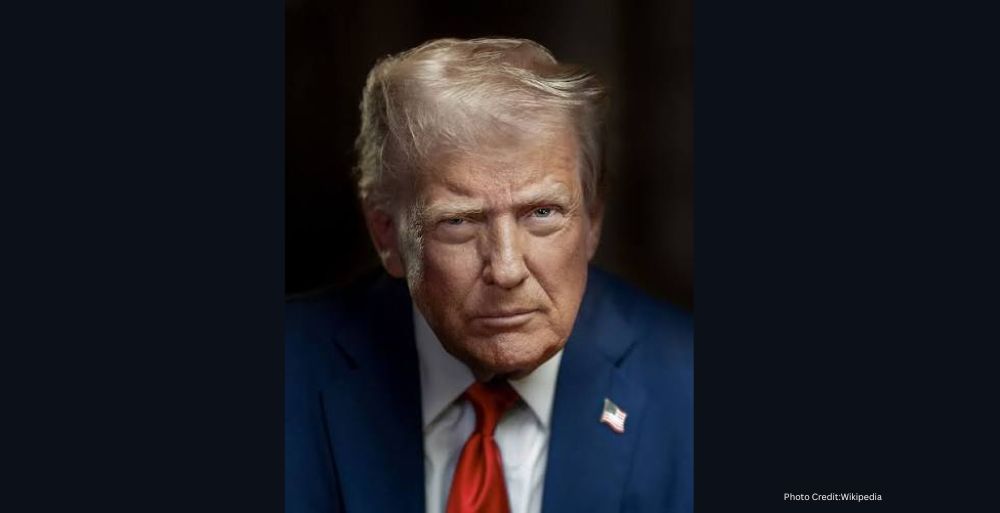
President Trump plans to implement significant new tariffs on 14 trading partners, including China and the European Union, aimed at addressing perceived unfair trade practices.
In a strategic move that could reshape international trade dynamics, President Donald Trump has proposed new tariffs affecting 14 key trading partners, with China and the European Union among those targeted. The announcement, made by the Office of the United States Trade Representative (USTR) on Wednesday, indicates that these tariffs could potentially take effect as early as January 2024.
The proposed tariff plan includes an additional 20% tax on Chinese imports, which would elevate the total tariff on Chinese goods to roughly 40%. This initiative is part of the Trump administration’s broader strategy to combat what it describes as unfair foreign trade practices that have negatively impacted American manufacturing and labor sectors.
Scope of the Proposed Tariffs
In addition to China, the new tariffs will affect several other countries and regions, including Bangladesh, Cambodia, India, Indonesia, Japan, South Korea, Malaysia, Singapore, Switzerland, Taiwan, Thailand, and Vietnam. This marks the second significant round of tariffs introduced under Section 301 of the Trade Act of 1974, which empowers the executive branch to impose tariffs as a response to unfair foreign trade practices following formal investigations.
The USTR’s recent announcement follows a previous round of Section 301 tariffs introduced in July 2023, where tariffs were placed on over 80 countries, including the UK, Mexico, and Canada. The basis for these tariffs rested on allegations that these countries failed to adequately enforce bans on forced labor.
Legal Background and Political Ramifications
In February 2023, the U.S. Supreme Court ruled that the previous tariffs, referred to as Liberation Day tariffs, were illegal due to improper invocation of emergency powers. However, the court did not limit the president’s broader authority to establish new tariffs, allowing the current administration to pursue this new strategy under the established trade law framework.
The Trump administration appears to be seeking to avoid past legal pitfalls by adhering to the stipulations of the Trade Act, specifically Section 301. The legal grounding for these tariffs is designed to withstand scrutiny and address previous judicial challenges.
Despite the administration’s rationale for these tariffs, there is considerable opposition from both the public and political spheres. Tariffs have historically been unpopular among U.S. voters, a sentiment reflected in the recent midterm elections, where Democrats gained control of Congress. This shift may indicate a growing discontent with the economic implications of such trade policies.
Economic Impact and Public Sentiment
The economic consequences of existing tariffs have been significant. According to estimates from the Yale Budget Lab, current tariffs have increased the average cost for U.S. households by approximately $900 annually. This rising cost of living emerged as the principal concern for voters ahead of the November elections, according to a Harris Poll survey that highlighted economic issues as paramount.
Moreover, a separate survey indicated that approximately 70% of Americans believe that tariffs have directly contributed to higher prices. Compounding these concerns, the Bureau of Economic Analysis reported on Wednesday that consumer prices rose at an annualized rate of 3.8% in October 2023, marking the highest inflation rate since May and exceeding the Federal Reserve’s target of 2%. This inflationary trend places additional pressure on the administration as it grapples with public dissatisfaction over rising living costs.
Official Statements and Future Implications
In addressing the rationale behind the new tariffs, USTR Jamieson Greer stated, “For decades, many of our trading partners have adopted industrial strategies built on targeting manufacturing, wage and labor suppression, financial and other support, non-market economy inputs, and other market distorting practices that tilt the trade balance in their favor while eroding America’s manufacturing base.” Greer emphasized that the proposed measures aim to eliminate these unfair practices and create a more balanced trade environment for American workers.
As the USTR prepares to conduct hearings regarding these new tariffs and investigate the alleged unfair trade practices, the potential implications for international trade relations remain uncertain. The administration’s approach may exacerbate tensions with key trading partners and allies, raising critical questions about the future direction of U.S. trade policy and its broader impacts on global economic relations.
As the proposed tariffs move forward, stakeholders within the international trade community, including businesses and foreign governments, will be closely monitoring developments. The potential economic fallout from these tariffs could have far-reaching consequences, not only for affected countries but also for the U.S. economy itself as it navigates a complex and increasingly polarized global trade environment.