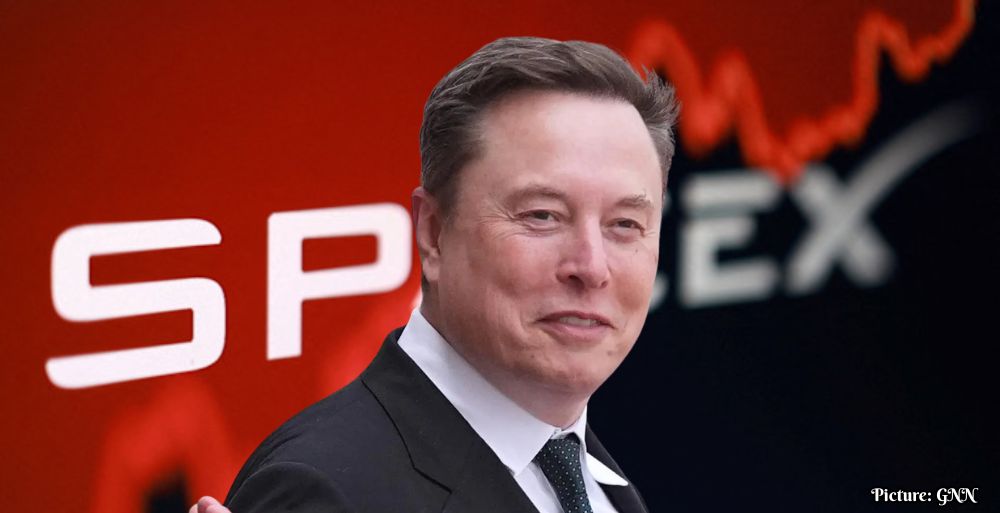
Elon Musk has announced a plan to distribute two shares of SpaceX to every child in the United States, a move estimated to be worth nearly $18 billion and designed to encourage early investment habits.
In a groundbreaking announcement, Elon Musk, the CEO of SpaceX and the world’s richest individual, pledged to give every child in the United States two shares of SpaceX stock. This initiative, which could amount to almost $18 billion based on current stock prices, was unveiled through a post on X, the social media platform Musk owns.
Musk’s plan involves distributing one share directly from SpaceX and one share from his personal holdings to each child. This effort aligns with the recent launch of the Trump account program, which aims to provide every American under the age of 18 a stake in the stock market as a way to foster wealth accumulation from an early age. The White House revealed last month that nearly 70 million accounts have already been opened under this initiative, highlighting the ambitious scale of Musk’s undertaking.
Details of the Share Distribution
According to Musk’s post, SpaceX will issue one newly created share of its Class A common stock to every active Trump account. Musk has committed to matching this donation with shares from his personal portfolio; however, SpaceX has yet to clarify if Musk’s shares will be directly associated with the Trump accounts.
Musk indicated that the SpaceX shares would be transferred next month, while his personal shares would follow once a lockup period expires in June 2024. This lockup period refers to a timeframe when company insiders are restricted from selling their shares following significant corporate events such as an IPO.
This announcement is an extension of Musk’s prior philanthropic intentions. Back in October, he had expressed his desire to give one SpaceX share to every child in the U.S., stating, “This will be the first of many.” As of June, Musk is reported to hold around 6.42 billion shares in SpaceX, making his commitment both substantial and impactful.
Context and Historical Background
Musk’s philanthropic endeavors primarily flow through the Musk Foundation, which is said to manage assets totaling approximately $16 billion. This latest initiative marks a significant escalation in his philanthropic trajectory, aligning him with other high-profile figures in technology and business who are similarly committed to social causes.
In addition to Musk’s efforts, Gwynne Shotwell, the president of SpaceX, and her husband have also pledged shares of their SpaceX stock to benefit children enrolled in the Trump account initiative, impacting over 2 million children thus far. This collective effort underscores a growing trend among tech executives to invest in the future of America’s youth.
The move also comes amid contrasting strategies for distributing wealth within the tech industry. For instance, Anthropic, a rival in the artificial intelligence sector that recently went public, announced it would allocate 5% of its shares to a new fund aimed at public benefit, a gesture valued at approximately $54 billion based on current market prices. This initiative is designed to provide greater flexibility for philanthropic contributions that aim to benefit society.
Implications for Financial Literacy and Wealth Building
Musk’s initiative is poised to influence not only child financial literacy but also the overall landscape of investment behaviors among the younger demographic. By providing children with a direct stake in a major corporation, the aim is to instill early investment habits and an understanding of the stock market. This could potentially lead to a new generation of investors who are more financially savvy than previous cohorts.
Moreover, this initiative could reshape conversations around corporate responsibility and philanthropy in the tech sector. Traditionally, many tech leaders have been criticized for concentrating wealth rather than distributing it. Musk’s commitment may serve as a counter-narrative, showcasing how substantial resources can be redirected toward fostering long-term financial growth among the youth.
Comparative Philanthropic Efforts
The philanthropic landscape is dotted with examples of high-net-worth individuals taking significant steps to redistribute their wealth. Notably, Warren Buffett, the chairman emeritus of Berkshire Hathaway, has donated approximately $60 billion, with plans to give away the majority of his $150 billion fortune. Similarly, the Bill & Melinda Gates Foundation has dispensed over $100 billion since its founding in 2000, fueled in part by substantial donations from Buffett.
Musk’s initiative could potentially place him among these philanthropic giants, particularly if he continues to scale his efforts in the future. His approach to wealth redistribution may inspire other tech industry leaders to pursue similar philanthropic measures, thus creating a ripple effect that could benefit countless children and families across the nation.
As the details of this initiative unfold, it will be critical to observe how the distribution of SpaceX shares influences children’s financial literacy and investment behaviors. The implications of this program could extend far beyond mere stock ownership, possibly shaping the economic landscape for generations to come.