U.S. President Donald Trump announced on Wednesday that the ceasefire with Iran has ended, following recent military strikes and mutual accusations of violations, signaling a potential shift in U.S. foreign policy.
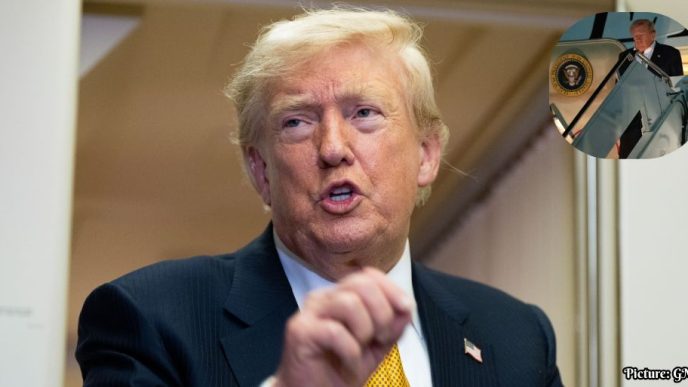
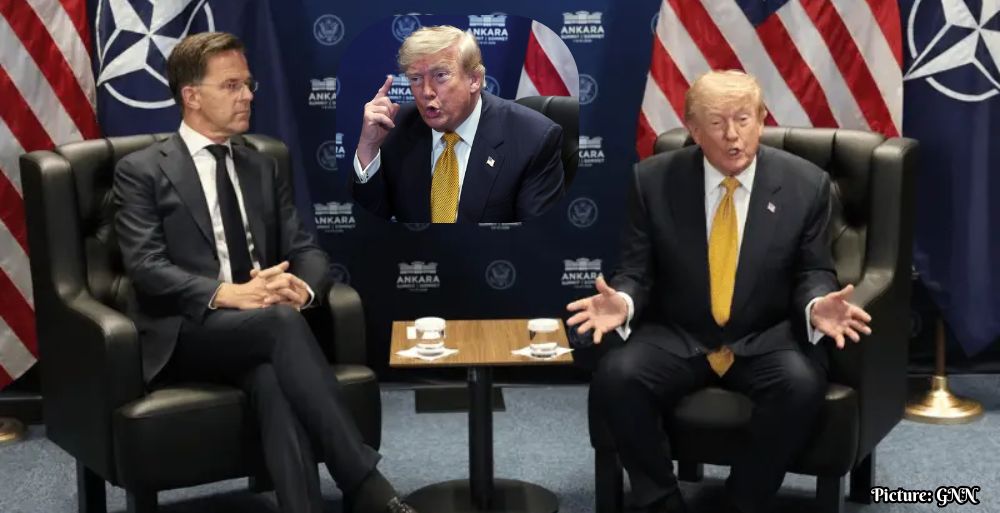
ANKARA, Turkey — In a notable escalation of tensions between the United States and Iran, President Donald Trump stated on Wednesday that the ceasefire agreement, which had been established to de-escalate military conflict, is effectively over. This declaration occurred during a joint press conference with NATO Secretary General Mark Rutte at the NATO summit in Turkey.
Responding to a reporter’s question regarding the ceasefire’s status, Trump asserted, “I think it’s over,” indicating a firm stance against further negotiations with Iran. He elaborated, “I don’t want to deal with them anymore… as far as I’m concerned, it’s over,” which reflects a significant pivot in U.S. policy amid rising military confrontations.
Context of the Ceasefire
The tensions have escalated following a series of military actions exchanged between the two nations. The ceasefire, which had been reached in the previous month, was undermined by accusations from both sides of violations. The immediate trigger for this escalation was a series of attacks on three commercial vessels in the strategically critical Strait of Hormuz, a vital maritime route for global oil shipments.
In retaliation for these assaults, the U.S. military executed a substantial counter-offensive characterized as a “series of powerful strikes” against Iranian positions. According to U.S. Central Command (Centcom), the military operation targeted over 80 sites, including air defense systems, command and control networks, and facilities related to anti-ship missile capabilities. Moreover, more than 60 small boats belonging to Iran’s Revolutionary Guard were reportedly struck, aiming to diminish Iran’s capacity to threaten international maritime commerce.
Centcom articulated that these military actions were deemed necessary to impose significant repercussions on Iran for its aggression towards vessels carrying civilians in international waters. The U.S. military’s operations were framed as a commitment to ensuring the safety and security of maritime trade in the region.
Market Repercussions
Following President Trump’s remarks and the subsequent military strikes, global oil prices experienced a sharp increase. The global benchmark Brent crude futures for September delivery surged by 5.7%, reaching approximately $78.41 per barrel. Similarly, U.S. West Texas Intermediate (WTI) futures rose by 5.9%, climbing to $74.60 a barrel. These increases reflect heightened anxieties regarding potential disruptions to oil supplies stemming from the ongoing conflict.
The Strait of Hormuz is pivotal for oil transportation, with approximately 20% of the world’s oil supply passing through this narrow waterway. Any heightened conflict in this area poses significant risks not only to regional stability but also to the global economy. Previous closures of this strategic passage due to military hostilities have already raised concerns of an energy crisis that could exacerbate inflationary pressures worldwide.
Reactions from Tehran
Iran’s Foreign Ministry condemned the U.S. strikes, characterizing them as a “gross violation of the Memorandum of Understanding” that had been designed to foster de-escalation. The ministry emphasized that the Iranian military is prepared to defend the nation’s territorial integrity and sovereignty against what it terms as American military aggression.
The Iranian government has consistently framed its military actions as defensive measures aimed at safeguarding national interests against perceived threats. This narrative has been reinforced through recent military engagements and the rhetoric exchanged between the two countries.
Historical Context and Implications
The current situation underscores the long-standing volatility in U.S.-Iran relations, characterized by cycles of conflict and temporary truces. The initial ceasefire was intended to lay the groundwork for potential diplomatic negotiations; however, the swift deterioration of trust between the two nations has cast doubt on the viability of future dialogue.
Additionally, the potential closure of the Strait of Hormuz due to military action presents significant risks not only to regional stability but also to the global economy, given the heavy reliance on oil exports that transit through this critical channel. As the situation continues to evolve, both domestic and international observers are closely monitoring how these developments will affect global energy markets and geopolitical stability.
The historical context of U.S.-Iran relations reveals a pattern of reciprocal hostility, punctuated by brief periods of negotiation. The end of the ceasefire and the heightened military engagements suggest that both nations may be moving towards a more confrontational stance, which could have profound implications for regional security and international relations.
In summary, as tensions rise and military actions escalate, the potential for a broader conflict looms, necessitating vigilant observation from stakeholders around the world. The outcomes of these developments could reshape not only U.S.-Iran relations but also the dynamics of international diplomacy in a rapidly changing geopolitical landscape.