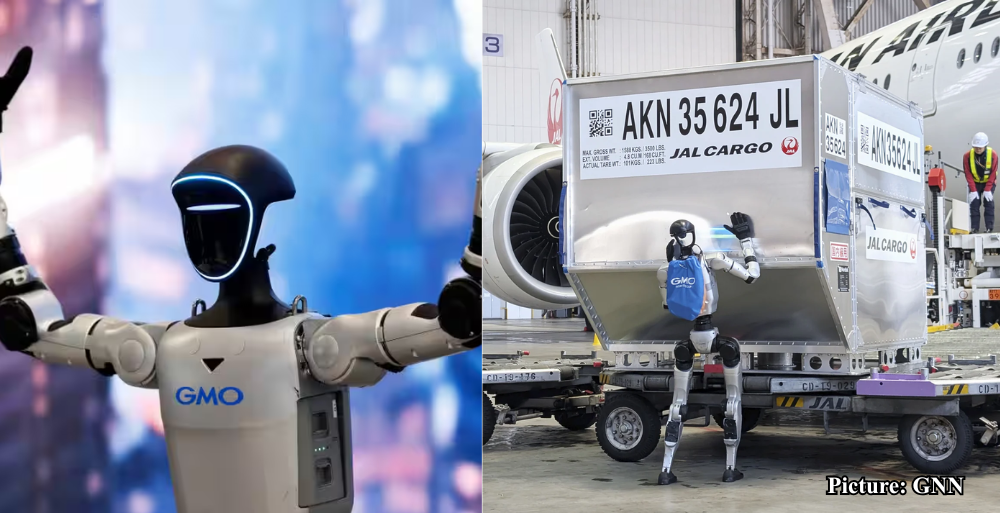
In response to significant labor shortages, Tokyo’s Narita Airport is deploying humanoid robots to assist with operational tasks, reflecting a broader trend in the aviation sector towards automation and technological integration.
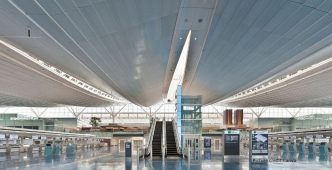
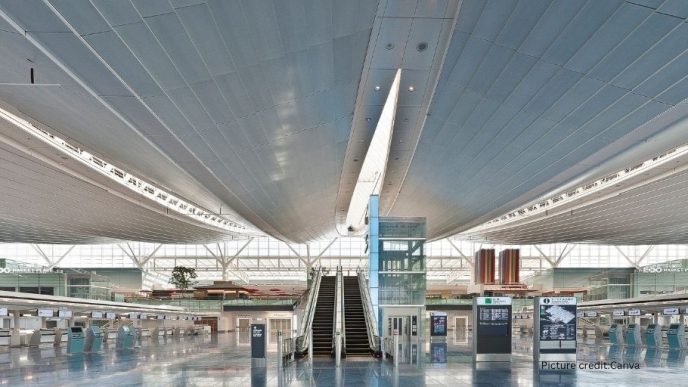
Tokyo Narita Airport, one of Japan’s busiest aviation hubs, is embracing innovative technology to address ongoing labor shortages by introducing humanoid robots into its operations. This initiative comes as the airport, which accommodates over 60 million passengers annually, faces mounting pressure to deliver efficient services amid workforce challenges exacerbated by the COVID-19 pandemic.
Labor Shortages Impacting the Aviation Industry
The aviation sector in Japan, mirroring trends observed globally, has been grappling with significant labor shortages that have intensified since the pandemic began. Many companies across the industry are struggling to attract and maintain a stable workforce, resulting in longer wait times and reduced services for travelers. According to recent reports, Japan’s economy is currently experiencing a tight labor market, with an unemployment rate hovering around 2.6% as of mid-2023, which is historically low and indicative of a competitive employment landscape.
In response to these challenges, airports and airlines are increasingly looking for innovative solutions to bolster their workforce. The introduction of humanoid robots at Tokyo Narita Airport represents a strategic move to alleviate some of the burden on human employees while enhancing overall operational efficiency.
Implementing Humanoid Robots at Narita Airport
The humanoid robots deployed at Tokyo Airport are designed to assist with various operational tasks, including the loading and unloading of luggage. This technological integration aims to reduce the physical strain on human workers while maintaining high standards of service. Jungho Suh, a teaching assistant professor of management at George Washington University, specializes in strategic human resource management and emphasizes the necessity of integrating artificial intelligence (AI) into human-centered systems. He notes that such innovations should support employees rather than replace them, allowing for a more collaborative work environment.
The robots’ introduction is part of a broader trend within the aviation industry, where automation is increasingly viewed as a means to enhance operational efficiency and customer service. As airports face the dual challenge of high passenger volumes and labor shortages, solutions that incorporate technology are likely to become more prevalent.
Future Implications for Employment and Workforce Dynamics
The deployment of humanoid robots at Tokyo Airport not only signifies an immediate response to labor needs but also prompts broader discussions regarding the future of work within the aviation sector. As automated systems become more widespread, questions arise about the long-term impact on employment, job roles, and the skills required in the workforce.
While robots can efficiently handle repetitive and physically demanding tasks, the human element remains vital in sectors requiring customer interaction, problem-solving, and emotional intelligence. Experts, including Suh, advocate for a balanced approach where technology complements human labor rather than displaces it. This perspective is crucial as the industry navigates the intersection of innovation and employment.
Public and Expert Reactions to Technological Integration
The introduction of robots at Tokyo Airport has elicited mixed reactions from the public and industry experts. Some travelers express enthusiasm regarding these technological advancements, viewing the robots as a promising step toward modernizing airport operations and improving efficiency. Conversely, concerns have emerged regarding potential job security for airport staff. Critics worry that increased automation could lead to reduced employment opportunities in an already constrained job market.
Experts like Suh argue for a constructive dialogue around the role of robots in the workplace. Instead of perceiving these technologies as threats, he suggests that both workers and management focus on how automation can enhance job satisfaction and operational efficiency. By allowing human employees to concentrate on more complex tasks, the integration of humanoid robots could ultimately improve service quality and operational outcomes.
Next Steps for Tokyo Airport Management
As Tokyo Airport progresses with the integration of humanoid robots into its daily operations, it will be essential for airport management to continuously monitor performance metrics and gather feedback from both employees and passengers. This data will be critical in evaluating the effectiveness of robotic assistance and ensuring the technological integration aligns with the airport’s commitment to enhancing customer experience and operational efficiency.
Moving forward, an ongoing evaluation of the robots’ impact on both the workforce and passenger experience will be crucial. The airport’s management will need to balance the advantages of technological integration with the importance of retaining a skilled human workforce capable of providing the personal touch that many travelers still value.
In conclusion, the introduction of humanoid robots at Tokyo Narita Airport marks a significant development in the aviation industry’s response to labor shortages. By leveraging technology to support its workforce, the airport aims to uphold high service standards in an increasingly automated environment. The ongoing dialogue about the relationship between technology and human labor will be vital in shaping the future of airport operations and the roles of employees within the sector.