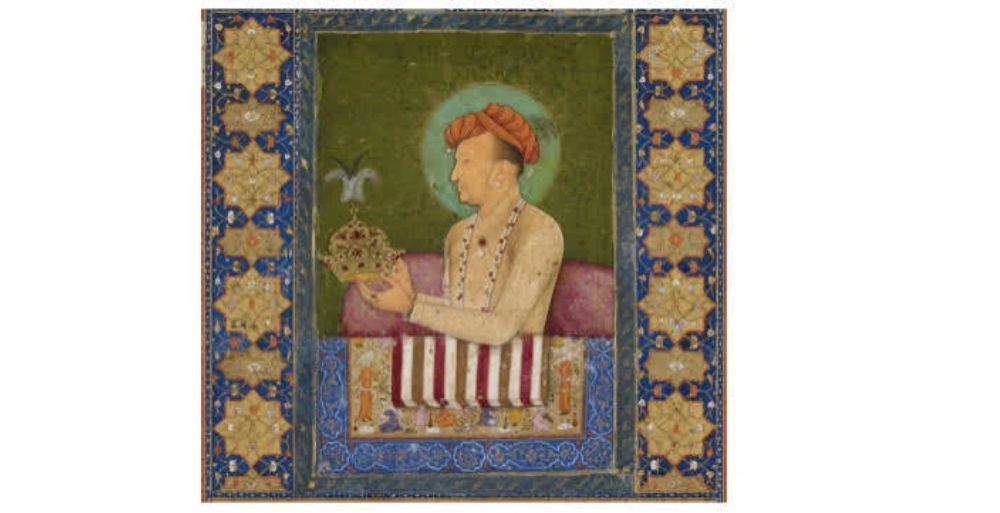
The Metropolitan Museum of Art will showcase over 230 works in a new exhibition exploring the artistic achievements of Emperor Jahangir’s Mughal court, set to open on April 25, 2027.
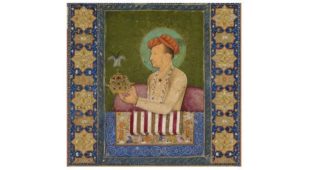
New York (November 12, 2026)—The Metropolitan Museum of Art (The Met) is set to unveil a landmark exhibition titled Radiant World: Jahangir and Mughal India, scheduled to open on April 25, 2027, and running until August 15, 2027. This exhibition will illuminate the rich artistic and cultural landscape of the Mughal court during the reign of Emperor Nuruddin Jahangir, who ruled from 1605 to 1627, a period known for its significant contributions to Indian art and culture.
The exhibition will feature approximately 230 works, including paintings, drawings, jeweled arts, textiles, and decorative arts, sourced from both The Met and various international lenders. These pieces collectively represent the remarkable artistic patronage and production that flourished under Jahangir’s rule. Drawing inspiration from the Jahangirnama, the emperor’s own memoir, the exhibition aims to trace Jahangir’s life and interests as a patron and collector, while also showcasing the achievements of the artists and craftspeople who shaped the Mughal visual culture.
The Artistic Landscape of Jahangir’s Reign
Max Hollein, The Met’s Marina Kellen French Director and Chief Executive Officer, remarked, “The court of Jahangir was a place of creativity and curiosity, where artists and craftspeople looked closely at the world around them and transformed what they encountered into works of remarkable beauty and invention.” Hollein emphasized that the exhibition seeks to revive this extraordinary period of artistic production, highlighting a culture characterized by creative ambition and intellectual curiosity.
Navina Najat Haidar, the Nasser Sabah al-Ahmad al-Sabah Curator in Charge of the Department of Islamic Art at The Met, noted, “Jahangir was a discerning connoisseur whose patronage helped define one of the most remarkable periods of Indian art.” Haidar further explained that Radiant World: Jahangir and Mughal India offers an opportunity to explore the complete spectrum of artistic production during Jahangir’s reign, thereby revealing the richness and sophistication of Mughal court culture.
Exhibition Highlights and Featured Artists
The exhibition will showcase a diverse array of artistic creations, including works by renowned court artists such as Abu’l Hasan, celebrated for his imperial portraits, and Ustad Mansur, recognized for his natural history studies, including depictions of an African zebra. Other featured artists will include Govardhan, known for his psychological insights into living creatures, and Bishandas, who is acclaimed for his influential portrait studies of the Persian Shah.
Additional highlights will include lavish court scenes from the Jahangirnama and acute recordings of courtly subjects by artists such as Manohar and Daulat. The exhibition will also delve into the artistic dialogue between the Mughal court and broader global influences, exemplified by later works such as a drawing by Rembrandt that was inspired by Mughal imagery.
The Role of Women in Mughal Culture
Notably, the exhibition will also explore the significant impact of Jahangir’s Persian wife, Empress Nur Jahan. Her influence extended to fashion, architecture, and design, including the introduction of Florentine-related pietra dura inlay techniques at the Mughal court. This reflects the political and social latitude women could command within this historical context. The exhibition will further enrich the narrative by examining Jahangir’s spiritual curiosity, which traversed both Islamic and Hindu traditions. The court’s extensive cultural exchanges with regions such as Iran, Central Asia, Africa, China, and Europe will illustrate a ruler and court engaged in sustained dialogue with the wider world.
Curatorial Insight and Educational Initiatives
The exhibition is curated by Navina Najat Haidar, alongside Courtney Stewart, a Research Associate in the Department of Islamic Art at The Met, with additional support from Peter Yacoub, a Research Assistant in the same department. A fully illustrated catalogue will accompany the exhibition, featuring contributions from the curators and other leading scholars in the field. This catalogue is made possible by the Samuel I. Newhouse Foundation, Inc. and the Doris Duke Fund for Publications.
Radiant World: Jahangir and Mughal India is supported by major sponsors including De Beers and Reliance Industries Limited, with additional funding from various foundations and private donors. These contributions underscore the exhibition’s potential to illuminate an era marked by artistic innovation and cultural richness.
The exhibition not only aims to present the artistic splendor of the Mughal court but also seeks to foster a deeper understanding of the historical context and cultural exchanges that shaped this vibrant period in Indian history. By providing a platform for discussions around the artistic achievements of Jahangir’s reign, The Met hopes to engage a diverse audience with the complexities and intricacies of Mughal culture.
As the opening date approaches, anticipation is building among art historians, scholars, and the general public alike, eager to explore the intricate tapestry of creativity, cultural exchange, and the enduring legacy of one of the early modern world’s most sophisticated courts.