Orthopaedic specialists at the Delhi HIP 360 Conference report a significant increase in hip problems among younger and middle-aged Indians, largely linked to excessive steroid use during COVID-19 treatment, resulting in a rise in hip replacement surgeries.
NEW DELHI — The aftermath of the COVID-19 pandemic is revealing troubling trends in public health, particularly in orthopaedics. At the 2nd Delhi HIP 360 Conference, held in New Delhi, orthopaedic specialists reported a notable rise in serious hip conditions among younger and middle-aged Indians, specifically those in their 30s and 40s. This alarming increase is largely attributed to excessive steroid use during COVID-19 treatment, a practice that has left many individuals with long-term health complications.
The conference, organized by the Delhi Orthopaedic Association in collaboration with the Indian Arthroplasty Association, aimed to address recent developments in hip replacement surgery as well as the implications of post-COVID complications on hip health. Experts from across India were brought together to discuss advancements in surgical techniques, robotic-assisted procedures, and the importance of timely diagnosis and intervention.
Statistical Surge in Hip Replacement Surgeries
Dr. L Tomar, Organizing Chairman of the Delhi HIP 360 Conference and Director of Orthopaedics and Joint Replacement at Max Hospital, reported a staggering increase of nearly 40% in hip replacement surgeries among younger patients since the onset of the pandemic. He highlighted that hospitals are seeing a growing number of cases involving hip arthritis and avascular necrosis (AVN), a condition characterized by the death of bone tissue due to inadequate blood supply.
This dramatic rise in hip disorders has raised significant concerns among healthcare professionals. Dr. Tomar explained, “While steroids played a critical role in saving lives during the COVID-19 crisis, their prolonged or uncontrolled use has been associated with osteonecrosis and early damage to hip joints.” He noted that younger patients are now presenting with severe conditions such as collapse of the femoral head, necessitating early surgical interventions that were less common prior to the pandemic.
Delayed Diagnosis and Its Consequences
Another key issue discussed at the conference was the challenge of delayed diagnosis among patients. Dr. Karun Jain, the Organizing Secretary of the conference, pointed out that many individuals often dismiss early symptoms—such as groin pain and stiffness—as minor muscular problems, leading to significant long-term consequences. He emphasized the importance of early detection, stating, “Timely MRI scans and early medical intervention can help prevent severe disability and reduce the need for major surgery later.”
His comments underscore a pressing need for increased public awareness surrounding hip health, particularly in light of the potential risks associated with ignoring early warning signs of serious conditions. Delayed treatment can lead to complications that may result in more invasive procedures and prolonged recovery times.
Technological Advancements in Hip Procedures
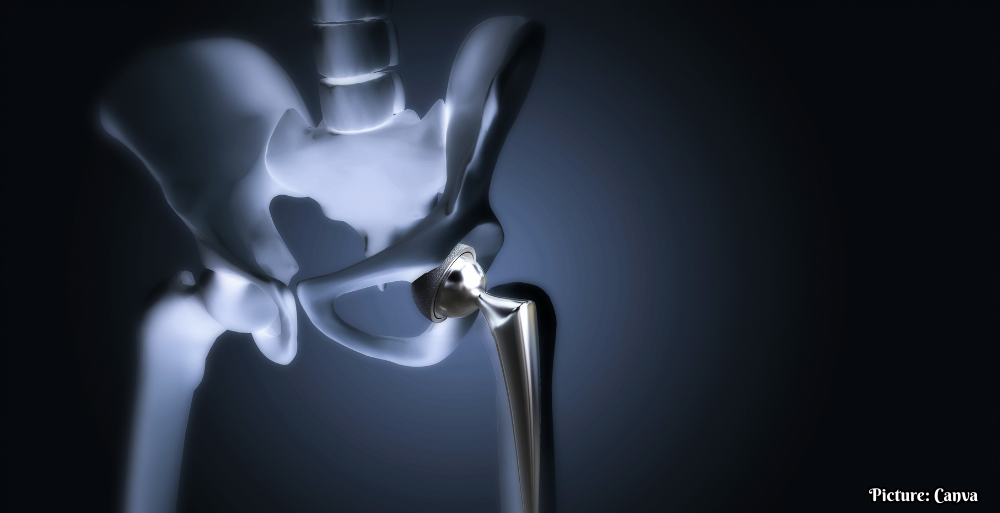
Despite the increase in cases, there is optimism surrounding the advancements in hip replacement surgery. Dr. Gaurav Govil, another expert at the conference, noted that total hip replacement has emerged as one of the most successful interventions in modern orthopaedics. He attributed this success to advancements in surgical planning, implant technology, and rehabilitation techniques.
Dr. Govil stated, “Patients today are able to recover faster and return to normal life earlier than before,” highlighting the importance of not only surgical success rates but also patient education regarding early diagnosis and treatment. Improved surgical techniques and recovery protocols have undeniably enhanced patient outcomes; however, Dr. Govil cautioned that they cannot replace the necessity of proactive health measures and timely consultations with healthcare professionals.
Broader Implications for Public Health
The discussions at the Delhi HIP 360 Conference reflect a growing concern within the medical community about the long-term health effects of the COVID-19 pandemic. As healthcare systems continue to adapt to the evolving landscape, the insights shared by these specialists underscore the need for integrated approaches to patient care that consider both immediate and lasting impacts on physical health.
The increasing number of younger patients requiring hip replacement surgeries serves as a stark reminder of the potential consequences of medical interventions that may have been necessary during the pandemic but also carried significant risks. With healthcare professionals now faced with the challenge of addressing these complications, there is an urgent need to prioritize preventive measures, education, and timely intervention to mitigate the long-term consequences of steroid use and other post-COVID health issues.
As the medical community seeks to address these emerging trends, the findings from the Delhi HIP 360 Conference may serve as a crucial turning point in understanding and managing the repercussions of the pandemic on orthopaedic health, particularly among younger populations. With a concerted effort towards raising awareness and improving diagnostic practices, there is potential to reduce the incidence of severe hip disorders and improve the overall quality of care for patients in India.