The recent adverse weather patterns have severely impacted the yield of India’s prized Alphonso mangoes, raising alarm among farmers and threatening the agricultural economy.
In a troubling development for India’s agricultural sector, the iconic Alphonso mango crop, celebrated both domestically and internationally for its unique flavor and quality, has faced catastrophic damage due to unprecedented weather conditions. Heavy rainfall and unseasonal storms have significantly disrupted the harvest for the 2023 season, leading to a steep decline in both the quantity and quality of the fruit.
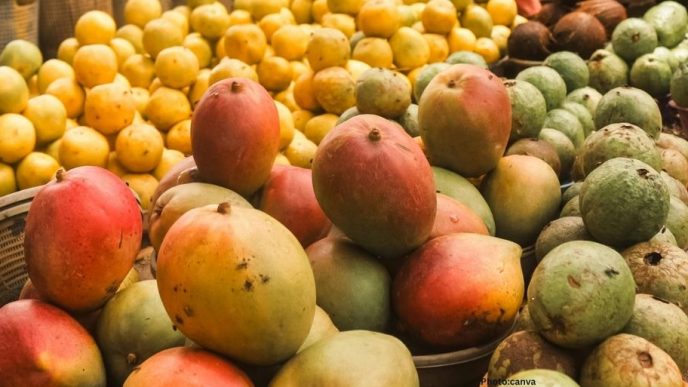
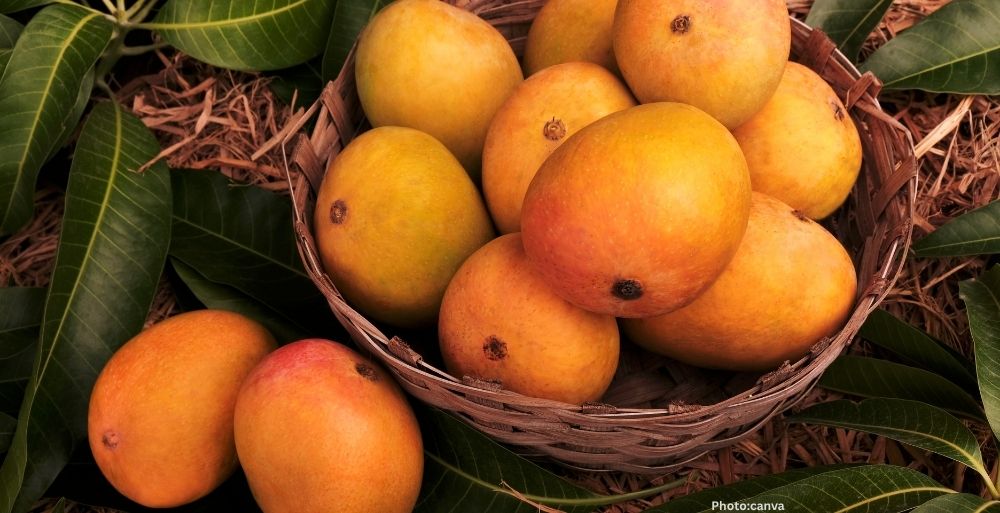
The Alphonso mango, primarily grown in the coastal regions of Maharashtra, is not just a beloved fruit; it represents a vital aspect of local culture and economy. The fruit is often dubbed the ‘king of mangoes’ and is a staple in Indian households, especially during the summer months. Farmers who depend on this crop for their livelihoods are now confronting severe repercussions. According to local agricultural estimates, the yield for this year is projected to fall by as much as 30% compared to the previous season, which already experienced lower outputs due to erratic climatic patterns.
Economic Impact
The economic ramifications of this decline are substantial. The Alphonso mango industry was valued at approximately $450 million in 2022, with a significant portion of revenue stemming from both domestic sales and exports. A reduction of one-third of the anticipated crop this year could lead to economic losses exceeding $135 million, severely impacting not only farmers but also ancillary sectors such as transportation, packaging, and retail.
Farmers have expressed escalating concerns regarding the financial burden imposed by this year’s adverse conditions. Rajesh Patil, a mango farmer from Ratnagiri, a region renowned for its Alphonso production, stated, “We depend on the harvest for our annual income, and with these losses, many of us fear we will struggle to make ends meet.” Such sentiments reflect the anxiety felt among farmers who have already been grappling with increasing production costs and fluctuating market prices.
Historical Context
The challenges currently facing the Alphonso mango crop are not isolated incidents. Recent years have seen a noticeable increase in unpredictable weather patterns, which have been exacerbated by the ongoing effects of climate change. Farmers have reported instances of late monsoons as well as unexpected rainfall during crucial flowering and fruiting stages. This year’s severe weather disruptions have prompted state officials to reevaluate existing agricultural strategies and support systems designed to mitigate the impacts of climate variability.
In response to this crisis, the Maharashtra government has implemented emergency measures aimed at assisting affected farmers. These measures include financial aid packages, adjustments to crop insurance schemes, and access to agricultural counseling services focused on enhancing resilience against future climate-related challenges. State officials continue to assess the evolving situation, emphasizing the need for immediate and long-term strategies to support the agricultural community.
Market Reactions
The market response to the anticipated shortfall has already begun to manifest, with prices for Alphonso mangoes experiencing a significant surge. Industry reports indicate that the wholesale price for premium Alphonso mangoes has increased by approximately 40% in recent weeks, making them increasingly inaccessible to average consumers. This price inflation is expected to continue as the season progresses, further tightening supply.
The rise in prices has raised critical concerns regarding accessibility, particularly for middle- and lower-income families who rely on these seasonal fruits. Consumer advocacy groups have called for measures to ensure that price increases do not disproportionately burden vulnerable populations, emphasizing the need for policymakers to consider the socio-economic implications of such fluctuations.
Future Outlook
Looking ahead, agricultural experts warn that this year’s crop failure could set a troubling precedent for future seasons if climate conditions do not stabilize. The agricultural community is advocating for comprehensive climate adaptation strategies, highlighting the need for sustainable agricultural practices and investments in climate-resilient crop varieties. Such measures are essential to safeguard not only the future of the Alphonso mango but also the livelihoods of countless farmers across the region.
As the situation continues to develop, it is imperative for stakeholders—including government officials, agricultural experts, and farmers—to collaborate on effective solutions. The fate of India’s Alphonso mango, a cultural and economic treasure, hangs in the balance as the nation grapples with the pressing realities of a changing climate. With the livelihoods of many at stake, the need for proactive measures has never been more urgent.