The leaders of Saudi Arabia, Turkey, and Pakistan have formalized a joint defense agreement designed to enhance regional security and collective deterrence, in response to escalating threats from Iran and ongoing conflicts in the region.
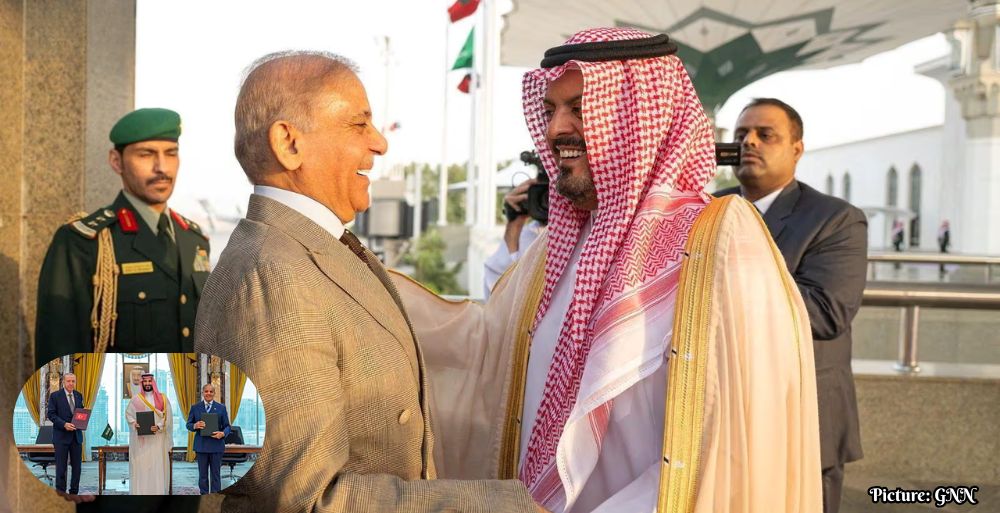
In a significant development for Middle Eastern geopolitics, Saudi Crown Prince Mohammed bin Salman, Turkish President Recep Tayyip Erdogan, and Pakistani Prime Minister Shehbaz Sharif signed a joint defense agreement in Mecca, Saudi Arabia, on February 28, 2023. This pact establishes a framework wherein an armed attack on one of the signatory nations would be perceived as an attack on all three, thereby reinforcing mutual defense commitments.
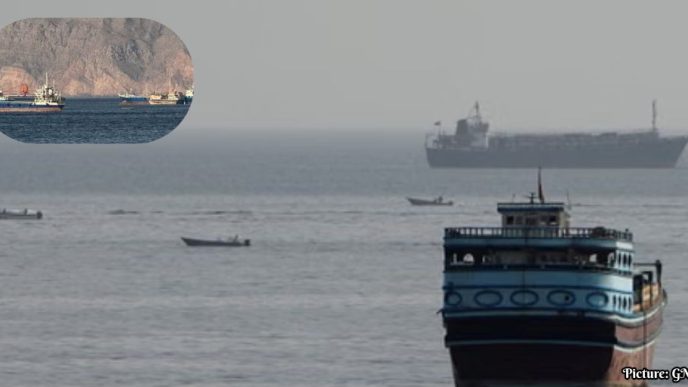
The agreement comes at a time of heightened tensions in the region, especially following U.S. and Israeli military actions against Iran that have led to retaliatory strikes against Saudi Arabia and other Gulf states. These actions have raised concerns about the security of vital shipping routes like the Strait of Hormuz and the Red Sea, crucial for global oil transportation.
Immediate Reactions and Regional Implications
The announcement of the Mecca Joint Defense Agreement has drawn immediate criticism from Iranian officials. Ebrahim Rezaei, a member of Iran’s National Security Commission, dismissed the effectiveness of the pact, stating that it would not enhance Saudi security and that reliance on such agreements had previously failed to protect them. In a post on the social media platform X, he remarked, “The Saudis should know that a paper agreement with Turkey and Pakistan does not bring them security, just as years of unilateral milking of the Americans did not bring them security.” This response underscores the contentious nature of alliances in the region, particularly between Iran and its neighbors.
Details of the Agreement
According to a joint statement released after the signing, the primary aim of the pact is to strengthen collective deterrence against acts of aggression. It outlines that any armed attack on one of the three states shall be regarded as an attack against all. However, the agreement lacks specific obligations or action plans for each party, leading to questions about its practical implications. A Turkish official characterized the pact as “purely defensive in nature,” yet the ambiguity surrounding the specific commitments raises concerns about future military interventions.
Each nation involved in the agreement contributes unique assets and seeks distinct benefits. For Saudi Arabia, the pact bolsters its security framework in a region increasingly destabilized by tensions with Iran, particularly in light of the Houthi rebels’ recent maritime threats and attacks on Saudi infrastructures.
Pakistan, on the other hand, views the agreement as a strategic enhancement amid its ongoing tensions with India. The May 2025 conflict between Pakistan and India had escalated into open hostilities, and while a full-scale war was avoided, the support from Saudi Arabia and Turkey is seen as advantageous for Pakistan’s military and diplomatic positioning. The timing of the pact coincides with Pakistan’s growing role in international diplomacy, including its mediating efforts between Iran and the U.S., further solidifying its regional influence.
Turkey’s Strategic Interests
For Turkey, the agreement presents opportunities for its defense industries. Analysts, such as Burcu Ozcelik from the Royal United Services Institute, have noted that the deal could lead to joint production initiatives, technology partnerships, and enhanced military interoperability among the three nations. This aspect of the pact aligns with Turkey’s broader ambitions to expand its defense capabilities and foster strategic partnerships in the region.
Complexities of Mutual Defense
While the concept of a mutual defense agreement appears straightforward, the real-world application of such an agreement is fraught with complexities. Questions arise regarding the obligations of each state in specific scenarios, such as whether Turkey would be compelled to support Saudi military actions against the Houthis in Yemen or if Pakistan would expect Saudi backing in potential conflicts with India. Each situation would likely require nuanced diplomatic negotiations to avoid escalation, illustrating the intricate nature of military alliances.
Ultimately, the primary objective of the Mecca Joint Defense Agreement may be to serve as a deterrent. By having two regional powers backing each other, the signatories hope to elevate the potential costs of aggression against any of them. While the pact does not guarantee security, it signifies a strategic shift in the regional power dynamics, as Saudi Arabia, Turkey, and Pakistan position themselves as a united front against perceived threats.