The Federal Reserve has indicated a potential increase in interest rates, citing robust economic growth and persistent inflation, as officials prepare to address ongoing economic challenges.
The Federal Reserve convened on March 15, 2023, to evaluate the current economic conditions and set monetary policy for the upcoming months. The meeting concluded with a strong indication from officials that an interest rate hike may be on the horizon, influenced by significant economic recovery and rising inflation rates. This development is critical as it comes at a time when the economy is recovering from the impacts of the COVID-19 pandemic, and inflation has reached levels not seen in four decades.
According to the Fed’s latest economic projections, the U.S. economy is anticipated to grow by 2.5% in 2023, a notable increase from previous estimates. However, inflation remains a pressing concern, with the rate expected to stay above the Fed’s target of 2%. These factors have intensified discussions among policymakers regarding the necessity of tightening monetary policy to prevent overheating in the economy.
Current Economic Landscape
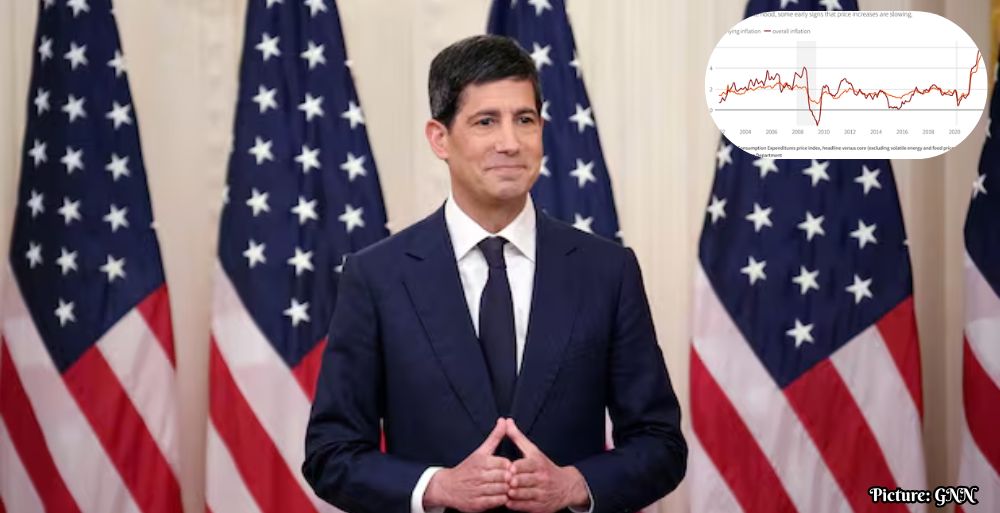
The Federal Funds Rate currently sits between 0.25% and 0.50%, a historically low figure enacted to stimulate economic activity in the wake of the pandemic. Nevertheless, recent data indicates that inflation surged to a 40-year high, with the Consumer Price Index (CPI) reporting a year-over-year increase of 7.9% as of February 2023. This inflation spike is attributed to several factors, including persistent supply chain disruptions, a rebound in consumer demand, and escalating energy prices.
In a post-meeting statement, Federal Reserve Chair Jerome Powell emphasized the central bank’s dual mandate of fostering maximum employment while ensuring price stability. He remarked, “We will continue to monitor inflation trends closely and are prepared to adjust our monetary policy accordingly to ensure price stability.” This statement underscores the Fed’s commitment to balancing economic growth with inflation control.
Market Reactions and Expert Analysis
The announcement of a potential rate increase has elicited mixed responses from market analysts and economists. Some experts advocate for a gradual increase in interest rates, asserting that it is essential to mitigate inflation and safeguard against an overheated economy. Others caution that hastening the tightening of monetary policy could hinder the fragile recovery and lead to increased unemployment.
Sarah Thompson, an analyst at the Economic Research Institute, observed, “While a gradual increase in interest rates may be warranted, the Fed must tread carefully to avoid derailing the recovery. The labor market is still fragile, and many sectors have yet to fully rebound from the pandemic’s impact.” This perspective highlights the uneven recovery across various industries, with some sectors still grappling with the fallout from the pandemic.
Additionally, the potential for rising interest rates is poised to impact consumer borrowing and spending significantly. Higher interest rates typically lead to increased costs for mortgages, auto loans, and credit cards, which may dampen consumer confidence and spending. The retail sector, which has recently shown signs of recovery, could see its momentum hindered as borrowing costs rise.
Historical Context and Implications
The Fed’s deliberations regarding interest rates are set against a backdrop of historical precedent. Following the 2008 financial crisis, the central bank maintained near-zero interest rates for an extended duration to support economic recovery. It wasn’t until late 2015 that the Fed commenced a series of rate hikes, which continued until 2018 as the economic expansion prompted a reassessment of monetary policy.
The current economic environment is influenced by both domestic and international factors, including geopolitical tensions, trade relations, and the ongoing effects of the pandemic. As the Federal Reserve navigates these complexities, its approach will be critical in shaping future economic policies and outcomes.
Future Outlook
In the coming months, the Federal Reserve will continue to closely monitor key economic indicators, including employment figures, consumer spending patterns, and inflation rates. The next Federal Open Market Committee (FOMC) meeting is scheduled for May 2023, where officials will further evaluate the economic landscape and consider implementing a rate hike.
The discussions surrounding the potential for increased interest rates have sparked a broader dialogue about monetary policy and its implications for economic health. Stakeholders from various sectors, including finance, retail, and manufacturing, are keenly observing these developments, given their potential impacts on the economy’s trajectory.
As the Federal Reserve prepares for its next steps, the balancing act between fostering economic growth and controlling inflation remains a critical focus. The decisions made in the coming months will likely have far-reaching effects, influencing everything from consumer spending to business investment and employment rates.