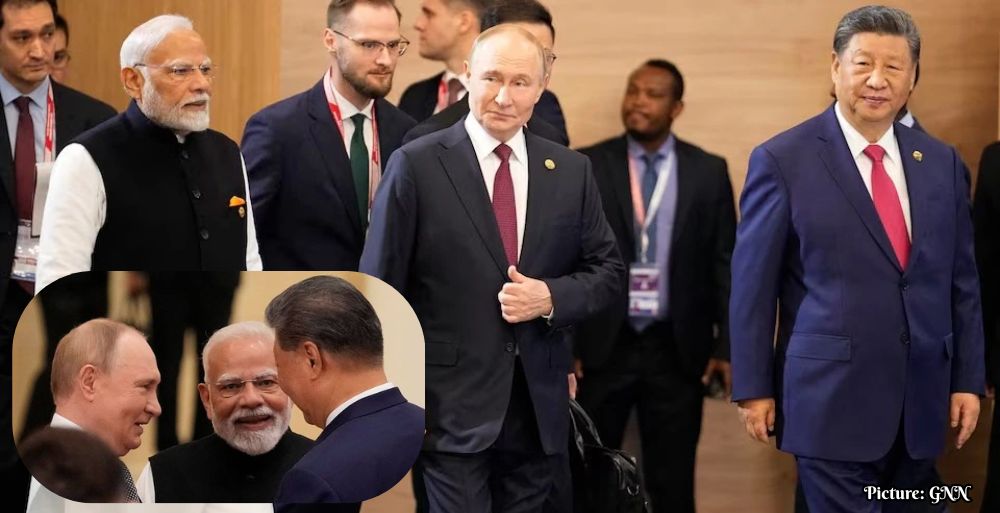
The prospect of reviving the Russia-India-China (RIC) trilateral grouping has gained attention as geopolitical dynamics shift, but significant challenges remain in fostering a cohesive alliance.
As global power structures continue to evolve, the question of whether the Russia-India-China (RIC) trilateral alliance will emerge from its prolonged dormancy is increasingly pertinent. The RIC, originally conceived in the late 1990s by Russian statesman Yevgeny Primakov, aimed to establish a multipolar world order that could counteract the dominance of Western powers. This initiative laid the groundwork for the BRICS grouping, which expanded to include Brazil and South Africa, transforming into a significant player on the world stage.
Historical Context of RIC
The RIC was formally established before the BRICS coalition on June 16, 2009, and served as a precursor to the more expansive BRICS framework. The initial meetings of the RIC dates back to the early 1990s, with more than twenty ministerial-level discussions held over the years. However, the dynamic among the three nations has often been characterized by caution and hesitance, particularly in the context of their shifting geopolitical interests and regional tensions.
Brazil became part of this evolving partnership in 2004, shaping the concept into what is now known as BRIC, which later included South Africa to become BRICS. Despite the formal structure provided by BRICS, the underlying RIC trilateral remains a subject of interest as Russia and China appear to be pushing for its revival in light of recent geopolitical developments.
Current Developments and Motivations
On January 20, 2026, Russian Foreign Minister Sergey Lavrov announced Moscow’s intent to revive RIC activities, citing the increasing need for coordination among the three powers against Western influence. Reports indicate that Russia views the revival as crucial, particularly with China’s growing ambitions for regional dominance. Lavrov suggested that the RIC could be instrumental in coordinating mechanisms for sanctions evasion, particularly concerning payment systems and the use of national currencies in energy trade.
China has echoed this sentiment, framing the revival of RIC as essential for maintaining regional and global stability. However, the mechanism has remained largely inactive since the COVID-19 pandemic and the 2020 India-China border clashes in Ladakh, which have further complicated relations among the three nations.
India’s Cautious Stance
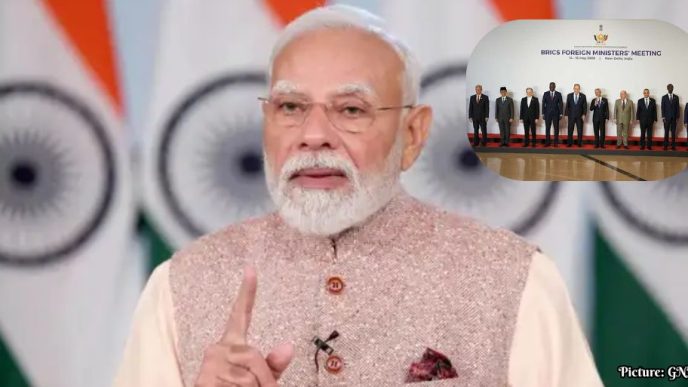
India’s response to the potential revival of RIC has been notably reserved. As of July 2025, New Delhi has neither rejected nor endorsed the initiative, maintaining a cautious openness that stems from ongoing border tensions with China. Indian officials have emphasized that any improvement in relations with Beijing is contingent upon progress in resolving these border disputes. This hesitance reflects India’s broader strategy of balancing its relationships with both the West and Russia, complicating its willingness to formalize the RIC collaboration.
The Indian government’s cautious approach is further influenced by its desire to avoid being perceived as anti-Western, particularly as it seeks to strengthen its ties with the United States. As such, India’s participation in a formalized RIC may be contingent upon the resolution of its tensions with China and the alignment of its broader foreign policy objectives.
Challenges to a Unified RIC
While both Russia and China may have clear incentives to formalize the RIC alliance—viewing it as a means to bolster their global standing and signal resistance to Western isolation—India’s structural concerns complicate this ambition. The persistent border tensions with China, alongside India’s strategic balancing act between Washington and Moscow, underscore the challenges of establishing a tightly coordinated bloc among the three powers.
Moreover, the dynamics of the India-Russia-China triangle indicate that external influences and relations with other powers can significantly impact the trio’s cohesiveness. For instance, China’s growing proximity to the United States may pose challenges for Russia’s objectives of promoting a multipolar world, thereby necessitating Russia’s efforts to keep India engaged in regional discussions.
India, in turn, recognizes the importance of remaining involved in dialogues with both Russia and China, to ensure that its interests are safeguarded and that no single country can dominate the trilateral framework. This balancing act illustrates the complexities inherent in the RIC’s potential revival.
Conclusion
The future of the RIC remains uncertain as geopolitical tensions, historical grievances, and strategic interests continue to shape the interactions between Russia, India, and China. While there are clear motivations for Russia and China to formalize the trilateral alliance, India’s cautious stance highlights the multifaceted challenges that lie ahead. The prospect of a revitalized RIC will largely depend on how these nations navigate their relationships, resolve ongoing tensions, and align their foreign policy goals in an increasingly complex global landscape.