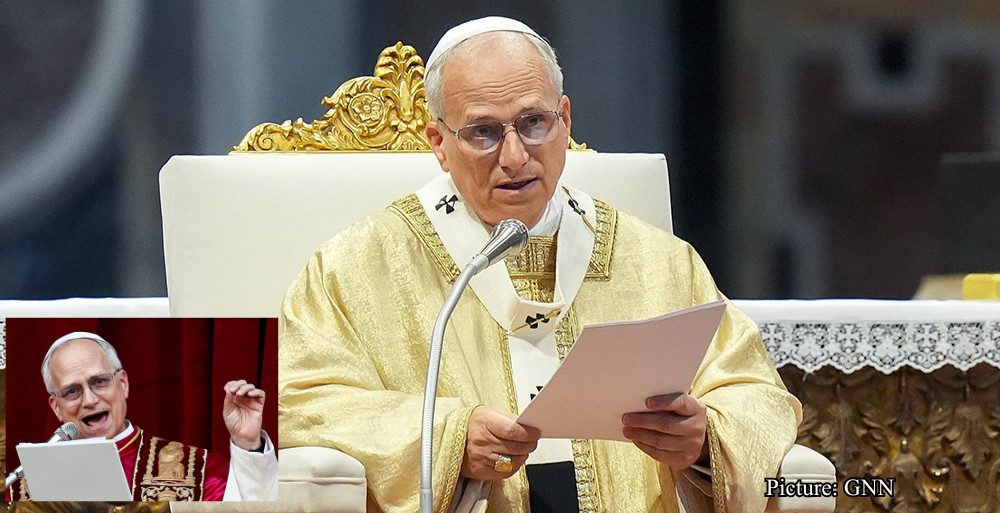
Pope Leo XIV’s message at the AI for Good Global Summit underscores the importance of dialogue in navigating the ethical complexities and societal impacts of artificial intelligence.
Pope Leo XIV, in a message delivered by Cardinal Pietro Parolin, emphasized the critical need for open dialogue regarding artificial intelligence (AI) during the AI for Good Global Summit held in Geneva from July 7 to 10, 2026. This summit, organized by the United Nations’ International Telecommunication Union (ITU) along with other UN agencies and in collaboration with the Swiss government, aims to examine the transformative role of AI in addressing global challenges.
In his communication, the Pope highlighted that the encyclical titled Magnifica humanitas was shaped by extensive consultations with various stakeholders involved in AI technology. He expressed concern over troubling reports regarding the misuse of algorithms and the consequent erosion of human agency in critical aspects of life. This message reflects a broader recognition of the dual nature of AI, which holds both promise and peril for society.
Importance of Constructive Dialogue
The message articulated, “As you are convening to reflect upon AI, which raises some of the major questions of our time regarding the future of humanity, the Holy Father would like to assure you of the Holy See’s presence and openness to dialogue, especially in this epochal turning point.” This statement signifies the Vatican’s intention to engage with a diverse array of voices in the ongoing discourse surrounding technology’s role in society.
Pope Leo XIV’s encyclical embodies a commitment to engaging a variety of sectors, stating that Magnifica humanitas was born from listening “to scientists and engineers who work with sincere enthusiasm on technologies capable of alleviating immense suffering; to political leaders and public officials who have perseveringly sought just rules; to parents and teachers who are deeply concerned for the future of younger generations.” This approach underscores the Pope’s recognition of the multifaceted challenges posed by AI and the necessity of incorporating various perspectives in the dialogue.
Addressing the Adverse Effects of AI
While acknowledging the potential benefits that AI can bring, the Pope’s message does not shy away from confronting the negative implications of technological advancements. He pointed out that the encyclical was also motivated by the detrimental impacts AI has had on individuals and society as a whole. This duality highlights the necessity for balanced and thoughtful discussions regarding AI, which the Pope hopes will lead to identifying pathways that promote the common good and ensure a dignified life for all.
Moreover, the message concluded with a call for constructive and enriching discussions among summit participants. The Pope assured attendees of his prayers for their efforts to effectively serve humanity in the realm of AI, further emphasizing the moral dimension of these conversations.
The Global Context of AI Development
The AI for Good Global Summit serves as a platform that convenes experts, policymakers, and stakeholders to deliberate on the ethical implications and future trajectories of AI technology. As AI continues to evolve and permeate various sectors, its impact on society has emerged as a prominent topic of debate. The dialogue initiated by the Vatican within this context aims to foster a responsible and ethical approach to AI development.
In recent years, the urgency of discussions surrounding AI has increased, with numerous organizations and governments advocating for frameworks that prioritize ethical standards and human rights. The Vatican’s involvement in these discussions reflects a broader recognition of the significant role that religious and moral perspectives can play in shaping technology policy.
Historical Background and Ethical Considerations
The encyclical Magnifica humanitas represents a significant development in the Vatican’s engagement with contemporary issues, particularly those posed by rapid technological advancements. Historically, the Catholic Church has addressed moral and ethical concerns in response to societal changes, and AI is no exception. The Pope’s approach illustrates a commitment to ensuring that technological progress aligns with the values of dignity, justice, and the common good.
As AI technologies become increasingly integrated into everyday life, the ethical considerations surrounding their development and application grow more complex. Issues such as data privacy, algorithmic bias, and the potential for job displacement are critical areas of concern. The Pope’s call for dialogue serves as a crucial reminder that addressing these issues requires collaboration across various sectors, including technology, ethics, and policy-making.
Future Implications and the Path Forward
As the summit unfolds, the emphasis on dialogue as a means to address ethical concerns surrounding AI resonates with ongoing global efforts to ensure that technology serves humanity rather than undermining it. The Pope’s message serves as a pivotal reminder of the importance of collaboration among diverse stakeholders to navigate the complexities introduced by AI.
The discussions at the AI for Good Global Summit are expected to shape future policies and frameworks that govern AI technologies. The Vatican’s active participation underscores its commitment to influencing these conversations through a moral lens, advocating for solutions that uphold human dignity and promote the common good. As AI continues to evolve, the importance of integrating ethical considerations into its development and deployment will remain paramount.