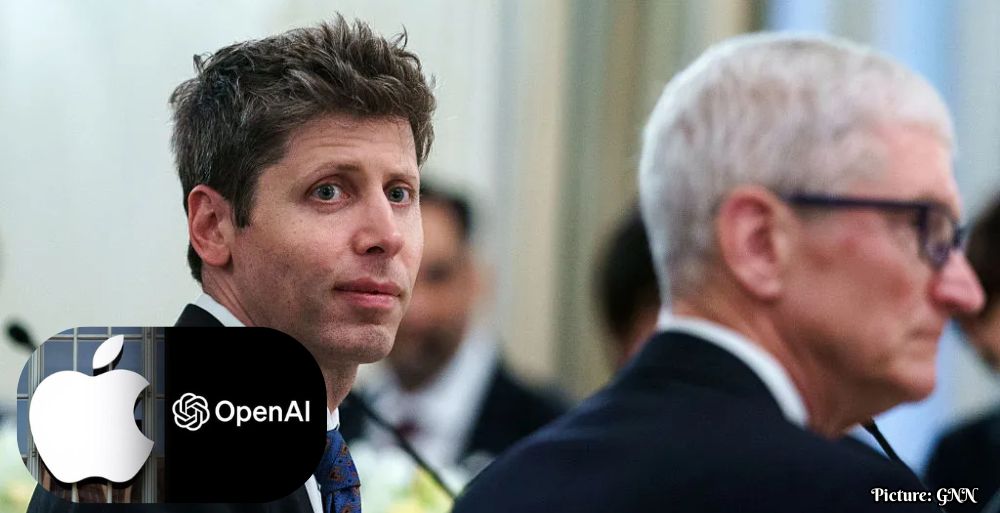
Apple Inc. has initiated legal proceedings against OpenAI, alleging that the AI company engaged in trade secret theft by improperly accessing confidential information during employee interviews.
In a lawsuit filed on Friday in a federal court in California, Apple has accused OpenAI, a leading artificial intelligence firm, of unlawfully attempting to acquire sensitive information pertaining to its proprietary tools, processes, and unreleased products. The legal action specifically names OpenAI and two former Apple employees, who are alleged to have misappropriated trade secrets upon their transition to the AI company.
The two former employees identified in the lawsuit are Tang Yew Tan, who spent 24 years at Apple and held the position of vice president of product design for the iPhone and Apple Watch, and Chang Liu, who served as a senior system electrical engineer at Apple for eight years before becoming OpenAI’s chief hardware officer.
Allegations of Impropriety
According to Apple’s legal filings, OpenAI allegedly instructed its employees to solicit proprietary information from Apple during job interviews, encouraging them to bring confidential materials such as design prototypes, tools, and internal communications with vendors. Apple’s attorneys stated, “Apple does not bring this action lightly. Apple operates in the most competitive markets in the world and focuses on creating and shipping the very best products and services that embody its innovations. But it cannot tolerate the theft of its trade secrets. In light of the troubling evidence it has seen so far, Apple is left with no choice.”
The lawsuit asserts that the alleged theft has critically undermined OpenAI’s hardware business, which Apple claims now relies on misappropriated trade secrets. In the filing, Apple’s legal team described this reliance as rendering OpenAI’s hardware endeavors “rotten to its core.” This accusation underscores the high stakes involved in the competitive technology landscape, where proprietary information is often viewed as essential to maintaining a competitive edge.
Background of Tensions
The legal dispute arises amid escalating tensions between Apple and OpenAI, which initially collaborated in 2024 to integrate OpenAI’s ChatGPT into Apple’s devices. However, reports from May indicated that the partnership had become strained, with OpenAI contemplating legal action due to unmet expectations from their agreement. This deterioration in relations has now culminated in Apple’s lawsuit, highlighting a significant shift in the dynamic between these two technology giants.
In the lawsuit, Apple alleges that upon leaving the company in January, Liu failed to confirm the return of his Apple-issued devices, taking his work laptop with him to OpenAI. Apple’s attorneys assert that Liu accessed his Apple-issued device after starting at OpenAI, even sending a message to a former colleague to celebrate this action.
Moreover, Apple claims Liu accessed and downloaded numerous confidential files related to hardware while employed at OpenAI and coached another former Apple employee on how to evade scrutiny during their transition to the new role. This pattern of behavior raises concerns about the ethical responsibilities of employees when moving between competitive firms.
Further Evidence of Trade Secret Misappropriation
Apple’s investigation has reportedly uncovered that additional former employees also emailed confidential information to personal accounts upon leaving for OpenAI. The lawsuit contends that some of these individuals utilized proprietary information in their new roles at OpenAI, further complicating the legal landscape regarding trade secrets and employee conduct.
Regarding Tang Yew Tan, the lawsuit alleges that he engaged with OpenAI or its associates before departing Apple, discussing internal meetings with suppliers and emailing himself details about Apple’s suppliers prior to his exit. At OpenAI, Tan is accused of trying to extract insider knowledge from Apple employees during interviews, inquiring about the status of unreleased Apple products, and instructing candidates to bring “actual parts” for “show and tell” sessions during interviews.
Apple’s Response and OpenAI’s Silence
In the early stages of its investigation in February, Apple raised concerns directly with OpenAI regarding these allegations. However, the lawsuit indicates that OpenAI did not respond to Apple’s inquiries, a silence that may exacerbate the tensions between the two companies. The lack of communication from OpenAI raises questions about the company’s internal protocols regarding employee transitions and the handling of proprietary information.
The implications of this lawsuit could be significant, as it not only raises questions about the ethical conduct of employees transitioning between major tech firms but also highlights the competitive nature of the AI and technology sectors. Trade secrets are a core element of a company’s competitive advantage, and allegations of theft can have profound ramifications for all parties involved. The case could also set important precedents in the realms of intellectual property and competitive practices among technology firms, potentially reshaping how companies protect their proprietary information in the future.
This legal battle could also impact OpenAI’s operations and future partnerships, depending on the outcome and the revelations that may emerge during the litigation process. As Apple and OpenAI navigate this complex legal terrain, industry observers will be watching closely for developments that could influence the broader technology landscape.