
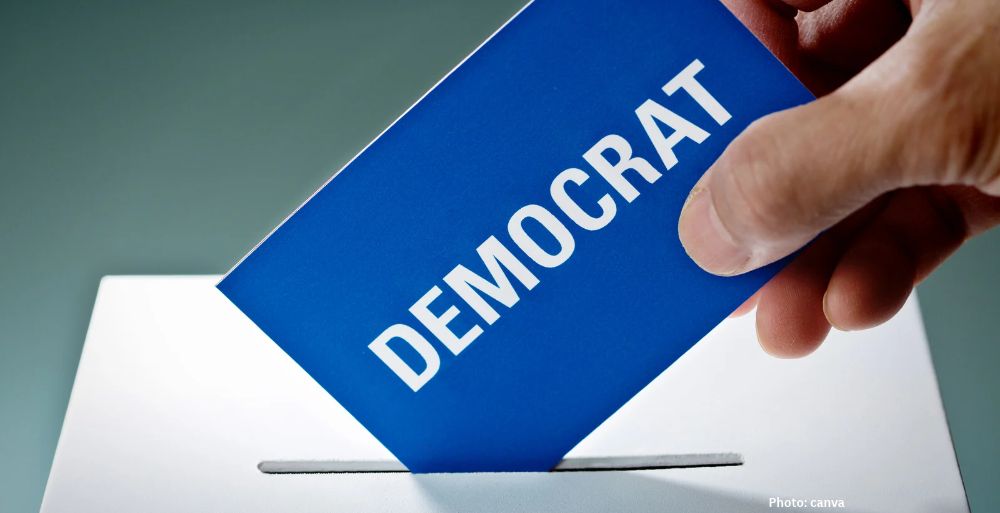
In a significant political shift, Democrats have secured their largest House majority in three decades, winning at least 258 seats during the 2026 midterm elections.
Washington, D.C. — On November 22, 2026, the Democratic Party achieved a historic milestone by winning at least 258 seats in the House of Representatives during the midterm elections. This victory marks the largest majority for either party in a national election in over thirty years and reflects widespread voter dissatisfaction with rising prices and the performance of President Donald Trump during his tumultuous second term.
As election officials continue to tally votes, some races remain too close to call. However, the latest updates from The Associated Press indicate that Democrats have successfully regained control of both chambers of Congress. The Democratic victories extended deep into traditionally conservative regions, demonstrating a significant shift in voter sentiment across the nation.
Historical Context of the Democratic Majority
This election cycle has seen Democrats surpass the previous record of 257 House seats, achieved in the 2008 elections during Barack Obama’s successful campaign against Senator John McCain. That election was characterized by a wave of Democratic enthusiasm, largely fueled by public discontent with the policies of then-President George W. Bush. The current Democratic majority of 258 seats is notable not only for its size but also for its rarity; no party has achieved more than 250 House seats since the Great Depression. Historically, the largest House majority was held by the Democrats, who commanded 334 seats at the end of the 1930s.
A pivotal victory contributing to this majority came from North Carolina’s 5th congressional district, where Chuck Hubbard, a Democrat and former newspaper reporter, defeated long-serving Republican incumbent Virginia Foxx. The Associated Press confirmed this race’s outcome after a recount solidified Hubbard’s lead, marking a significant political shift in a district previously considered a Republican stronghold.
Voter Sentiment and Economic Factors
The 2026 midterm elections were shaped by a confluence of economic and political factors that influenced voter preferences. Rising inflation has emerged as a significant concern for many Americans, directly impacting their purchasing power and overall economic confidence. This economic backdrop appears to have galvanized support for Democratic candidates, as voters increasingly sought change in leadership amid dissatisfaction with the current administration’s handling of economic issues.
Democrats capitalized on these economic challenges by launching campaigns that emphasized stability, healthcare accessibility, and social justice. Their messaging resonated particularly well with suburban voters and younger demographics, who have shown a growing inclination toward Democratic candidates in prior elections. Exit polls indicated that a substantial number of voters cited economic concerns as their primary motivation for voting, particularly in light of escalating costs associated with everyday living.
Implications for the Future
The implications of this electoral outcome are profound. With a robust majority in the House, Democrats will possess greater leverage to influence legislation and pursue their policy agenda. This may involve efforts to tackle pressing issues such as climate change, healthcare reform, and economic inequality, along with a renewed focus on social issues that resonate strongly with their base.
Moreover, the results of the 2026 midterm elections could significantly reshape the dynamics of the upcoming presidential election. With their current momentum, the Democratic Party faces the dual challenge of maintaining cohesion among its diverse factions while delivering on the promises made during the campaign. The party’s ability to effectively navigate these challenges will be critical as they aim to build on their electoral successes and secure the presidency in the next election cycle.
Political analysts suggest that the Democratic leadership will need to balance the expectations of their constituents with the realities of governing in a politically charged environment. The midterm elections of 2026 will likely be seen as a pivotal chapter in the ongoing narrative of American politics, shaping the legislative landscape for years to come.
As the new Congress convenes, attention will shift to the Democratic leadership’s strategy for advancing their agenda while addressing the concerns of a diverse electorate. The outcomes of these midterm elections not only reflect a shift in the political landscape but also signal a potential reconfiguration of power dynamics within Congress, setting the stage for a transformative period in American governance.
Looking Ahead: Challenges and Opportunities
The upcoming Congress will face numerous challenges, including navigating bipartisan cooperation on key issues such as infrastructure, healthcare, and national security. With a larger majority, Democrats have the opportunity to push through significant reforms but will also encounter resistance from Republicans who may seek to regain ground in future elections.
Furthermore, the 2026 midterms have underscored the importance of addressing economic concerns that resonate with voters, particularly as inflation continues to be a pressing issue. If Democrats are to maintain their majority in future elections, they will need to demonstrate tangible results that address these economic anxieties while also appealing to the diverse ideological spectrum within their party.
Overall, the 2026 midterm elections represent a watershed moment in American politics, marked by shifting voter demographics and priorities. As the new Congress prepares to convene, the Democratic Party stands at a crossroads, with the potential to enact meaningful change while also facing the imperative of uniting their coalition amidst the complexities of governance.