

Nvidia has initiated an independent investigation into CEO Jensen Huang following revelations of his extramarital affair with a suspected Chinese spy, raising significant national security concerns.
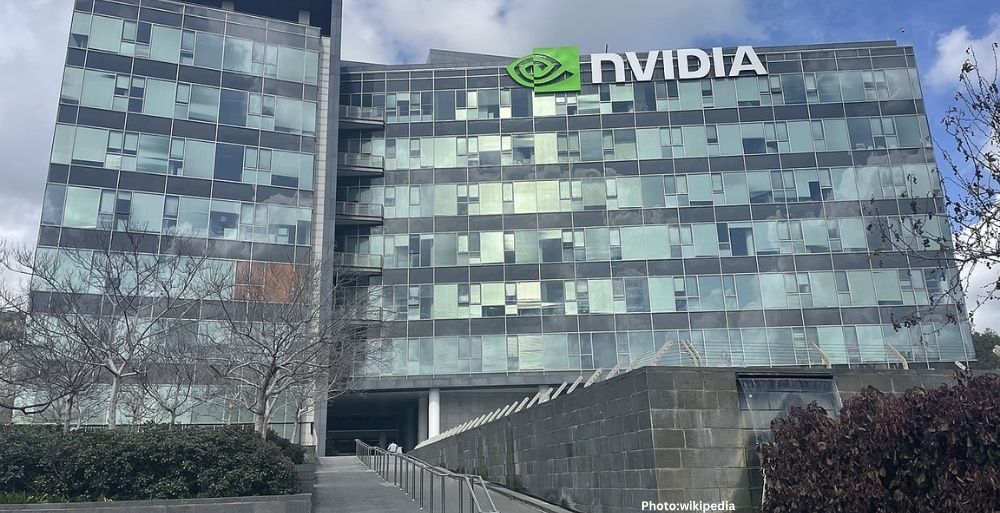
Nvidia, a leading American technology company renowned for its advancements in artificial intelligence (AI), has begun an independent investigation in response to reports that its CEO, Jensen Huang, engaged in a relationship with a suspected Chinese intelligence operative. This development has prompted serious national security concerns, particularly given Nvidia’s crucial role in the U.S. technology landscape.
Huang has publicly acknowledged his extramarital affair, stating, “I was unfaithful to my wife. My actions hurt her and our children. There is no excuse for what I did. I am deeply sorry.” In his statement, he expressed a commitment to cooperate with the investigation launched by Nvidia’s Board of Directors and emphasized his dedication to the company and national security, asserting, “I love our country and our company. I am committed to protecting Nvidia and supporting America’s national security. I am proud and grateful to be an American.”
In a related statement, Nvidia’s Board of Directors indicated that, while they currently have no reason to believe that the company’s secrets or national security have been compromised, they will thoroughly examine all relevant information regarding Huang’s alleged relationship. The board underscored that U.S. national and economic security is of paramount importance to both Nvidia and its shareholders.
Background on Nvidia and Jensen Huang
Jensen Huang has been a pivotal figure in the technology industry, having founded Nvidia in 1993 and served as its CEO for over 30 years. Under his leadership, the company has evolved from a manufacturer of graphics processing units (GPUs) for gaming into a dominant player in the AI sector, with a current market valuation exceeding $4.5 trillion. Nvidia’s chips are integral to the development and deployment of AI technologies, making the company a central figure in the ongoing technological rivalry between the United States and China.
Nvidia’s products, particularly its AI chips, have attracted the attention of U.S. government regulators due to national security concerns. The U.S. has previously imposed restrictions on the sale of advanced technology to China, fearing that such products could provide the Chinese government with a competitive edge. In January, the Trump administration lifted certain restrictions, allowing Nvidia to sell its H200 chips to Chinese customers under specific conditions. This decision underscores the delicate balance between fostering technological innovation and safeguarding national security interests.
Details of the Allegations and Espionage Concerns
The individual at the center of the espionage allegations, Alice Huang, is associated with Megaspeed, a Singapore-based data center firm. Reports indicate that U.S. intelligence agencies have monitored Alice Huang and concluded that she was acting on behalf of the Chinese government. According to unnamed sources cited by The New York Times, intercepted communications revealed exchanges between Alice Huang and Jensen Huang, which led to the latter being identified through a process known as “unmasking.” This raises questions about the nature of their relationship and the potential implications for national security.
It remains unclear what specific information, if any, Alice Huang may have relayed to the Chinese government, the significance of that information, or when her alleged intelligence-gathering activities began. Efforts to obtain comments from Alice Huang have been unsuccessful, as she did not respond to requests for comment.
Political Reactions and Legislative Scrutiny
The allegations have captured the attention of U.S. lawmakers, with three House Republican committee leaders formally requesting that Jensen Huang testify before Congress regarding Nvidia’s security protocols against foreign espionage. In their letter, they expressed significant concerns related to the People’s Republic of China’s access to sensitive U.S. technology and information. They stated, “The issue of PRC infiltration and access to cutting-edge U.S. technology is core to the investigative work of our three committees this Congress.”
This inquiry is taking place at a critical juncture in U.S.-China relations, where technology and national security intersect. Nvidia’s AI technology is crucial not only for its commercial success but also for its implications in the broader geopolitical landscape. The company’s advancements are vital to leading AI model developers, including OpenAI and Meta, enhancing the stakes in the competition for technological supremacy.
Implications for Nvidia and the Broader Technology Sector
As the investigation unfolds, its outcomes could have far-reaching implications for both Jensen Huang and Nvidia as a whole. The scrutiny surrounding Huang’s personal life and its potential connection to national security concerns may affect investor confidence and public perception of the company. Additionally, the inquiry may prompt broader discussions regarding the integrity of U.S. technology firms and their interactions with foreign entities.
The ongoing investigation may also lead to regulatory changes concerning corporate governance and national security policies, particularly as they pertain to high-tech companies operating in a global marketplace. The delicate balance between fostering innovation and ensuring the security of sensitive technologies will remain a critical focus for policymakers in the coming months.
In summary, the investigation into Jensen Huang’s alleged affair and its implications for national security underscores the complexities facing tech leaders today. As the lines between personal conduct and corporate responsibility blur, the repercussions of this situation will likely shape the future landscape of not only Nvidia but the broader technology sector in the United States.