A recent series of performances by the Nrityagram Dance Ensemble and Sreelakshmy Govardhanan in New York highlighted the rich storytelling tradition within Indian dance, offering audiences an engaging blend of classical narratives and innovative choreography.
NEW YORK, Oct. 16, 2026 – The Nrityagram Dance Ensemble, recognized for its commitment to the classical South Indian dance form Odissi, mesmerized audiences at the Joyce Theater with performances that intertwined rich storytelling with intricate choreography. This week’s showcase featured two distinct programs that aimed to engage viewers unfamiliar with the intricate tales and languages integral to Indian classical dance.
The performances, which ran through Sunday, explored themes ranging from transformation and divine love to memory and loss, demonstrating the versatility and depth of Indian dance. The ensemble’s approach to storytelling has been a hallmark of their work for over three decades, aiming to make the narratives accessible while retaining their cultural significance.
Innovative Storytelling Techniques
To bridge the gap between traditional storytelling and contemporary audiences, the Nrityagram Dance Ensemble employed a dual methodology in their presentations. The first part of each performance featured a narrator who recited a story or poem while a dancer articulated corresponding gestures, effectively creating a “living glossary” for viewers. This innovative technique served not only to clarify the narrative but also enriched the overall performance experience.
On select evenings, Surupa Sen, the artistic director and choreographer of the ensemble, performed a moving poem that depicts the god Krishna pleading for forgiveness from his beloved, Radha. Sen’s interpretative style notably diverges from that of many Indian dancers who often adhere strictly to a word-for-word translation in their movements. Instead, her performance exuded a conversational tone, imbuing the 12th-century text with a sense of immediacy and personal connection.
In a standout piece titled “Rasa Rati,” Sen further ventured into choreographic experimentation. The performance began with the glossary method, featuring the accomplished dancer Pavithra Reddy embodying a poem that provocatively explored themes of passion and desire. As the narrative unfolded, Reddy was joined by three other dancers, each portraying Radha in varied and dynamic ways. This collaborative approach not only highlighted the complexity of love but also pushed the narrative toward a more abstract interpretation, effectively illustrating the multifaceted nature of human relationships.
Exploring Themes of Memory and Loss
Sen’s versatility in navigating semiabstract dance was prominently showcased in the opening number “Ni Sa Dha Ni.” This premiere piece exemplified the intricate relationship between choreography and live music through a series of rhythmic games, as the dancers engaged in playful exchanges that underscored the complexity of the accompanying score. The performance culminated in a rich tapestry of movement that captivated the audience, revealing the emotional depth at the heart of the choreography.
The closing piece, “Smritiranga,” poignantly captured themes of memory and loss. Through choreographed vignettes that depicted a parent’s reflections on their child’s growth and eventual departure, Sen crafted a narrative that resonated deeply with the audience, transcending the need for translation. The emotional weight of the performance stemmed from universal experiences of nostalgia and regret, allowing attendees to connect with the themes on a profoundly personal level.
Sreelakshmy Govardhanan’s Performance
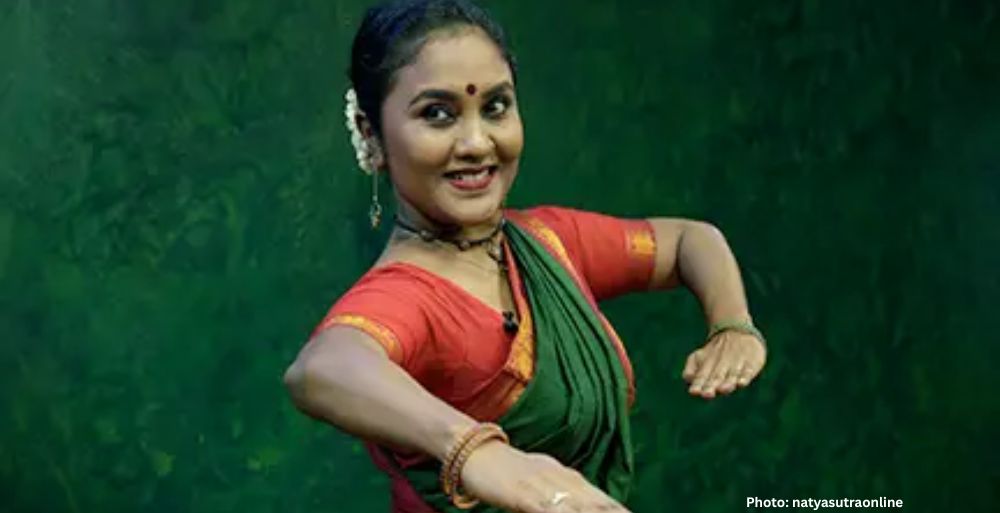
In a parallel presentation at the Danspace Project in St. Mark’s Church, Sreelakshmy Govardhanan further exemplified the narrative power of Indian dance. Govardhanan’s performances also drew on classical themes, weaving together rich stories through a blend of movement and expressive storytelling. Her artistry relies on her ability to convey emotional depth through her dance, making the historical and cultural narratives accessible to a diverse audience.
Much like the Nrityagram Dance Ensemble, Govardhanan emphasizes the importance of context in unraveling the layers of meaning embedded in Indian classical dance. Her work resonates with audiences by embracing both the traditional and the contemporary, showcasing the adaptability of Indian dance forms in the modern era.
The Cultural Significance of Indian Dance
The successful integration of narrative techniques and emotional resonance in these performances underscores the enduring power of Indian dance to engage contemporary audiences. With roots tracing back centuries, Indian classical dance serves not only as a form of artistic expression but also as a means of preserving cultural heritage. The rich storytelling within these performances reflects broader themes that resonate across cultures and generations.
As the performances concluded, audiences were left reflecting on the captivating stories told through movement and the cultural significance of both preserving and innovating traditional art forms. The Nrityagram Dance Ensemble and Sreelakshmy Govardhanan’s recent works exemplify a commitment to making Indian dance relevant and accessible, ensuring that these rich narratives continue to resonate in today’s diverse cultural landscape.
The ongoing evolution of Indian classical dance can be viewed as a dialogue between tradition and modernity, inviting new interpretations while honoring its historical roots. As these performances demonstrate, the power of storytelling remains at the forefront of this art form, fostering a deeper understanding of its cultural significance and emotional depth.