The series ‘Made in India: A Titan Story’ immerses viewers in the socio-economic landscape of 1970s Bombay, showcasing the entrepreneurial spirit of Xerxes Desai as he builds the Titan watch brand against personal and professional challenges.
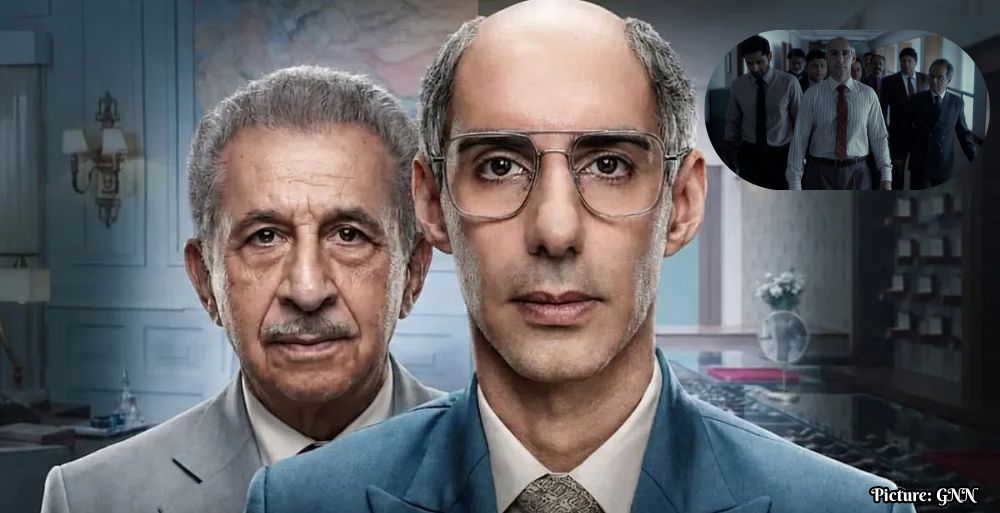
‘Made in India: A Titan Story,’ currently streaming on Amazon MX Player, transports viewers to 1970s Bombay, a transformative period marked by both economic growth and cultural shifts in India. Directed by Robbie Grewal and based on Vinay Kamath’s book ‘Titan: Inside India’s Most Successful Consumer Brand,’ the six-episode series chronicles the ambitious journey of Xerxes Desai, portrayed by Jim Sarbh, as he strives to establish a world-class watch brand, Titan.
Each episode runs between 45 to 53 minutes and delves into Desai’s entrepreneurial endeavors while tackling various obstacles that come his way. The series opens with a captivating scene of Desai negotiating with protesting workers outside his office, which not only highlights his empathetic nature but also sets the tone for his character as someone who values human connection and negotiation over confrontation. This early introduction paints Desai as a determined yet compassionate figure, themes that resonate throughout the narrative.
Character Development and Narrative Structure
The journey of Xerxes Desai is depicted through a narrative structure that emphasizes cause and effect, showcasing how relationships and dialogues shape his ambitions. Writers Karan Vyas, Kandarp Shroff, and Niraj Dasa take a deliberate approach to storytelling, allowing scenes to unfold organically rather than succumbing to the rushed pacing that often characterizes contemporary media. The dynamics between Desai and his younger colleague Akash, played by Vaibhav Tatwawadi, are particularly engaging. Their relationship evolves as they navigate personal challenges, including Akash’s father’s struggle with Alzheimer’s disease, illustrating the theme of time’s impact on memory and relationships.
Director Robbie Grewal successfully avoids the clichés of typical period dramas by employing grainy stock footage shot in a 4:3 aspect ratio. This stylistic choice allows the audience to connect with the past while transitioning smoothly to the present-day narrative. The use of classic songs from the era, such as the humanistic verses of Sahir Ludhianvi and Shailendra, enhances the emotional depth of the series, evoking the Nehruvian optimism that characterized the period. Songs like ‘Saathi Haath Badhana’ serve not just as a soundtrack but as a narrative device that reinforces themes of collective effort and hope.
Cultural References and Modern Parallels
The series interweaves subtle references to contemporary political themes, with characters invoking current political figures and slogans, such as a character addressing ‘Modiji’ and discussions surrounding the phrase ‘Achhe din’ (good days). These elements serve to create a dialogue between the aspirations of the past and present aspirations, prompting viewers to reflect on how the socio-political landscape has evolved. However, these modern touches do not overshadow the series’ emotional core, which remains firmly rooted in the personal stories of its characters.
Despite the inclusion of modern references, the series maintains a critical balance in its portrayal of characters, steering clear of idolizing them. Sarbh’s performance as Xerxes Desai stands out due to his nuanced portrayal, which captures the character’s complexity and vulnerability. Meanwhile, Naseeruddin Shah’s depiction of JRD Tata adds a rich layer of gravitas to the narrative, showcasing Tata’s charismatic leadership while highlighting the friendship that develops between him and Desai. Their conversations about business and life feel authentic, contributing to the series’ overall emotional resonance.
Impact and Reception
‘Made in India: A Titan Story’ has been praised for its thoughtful exploration of a significant chapter in India’s industrial history, offering viewers an engaging narrative that resonates on multiple levels. The series respects its runtime, allowing for meaningful moments that eschew sensational cliffhangers or forced pacing, which can often detract from the storytelling experience in modern media.
The show successfully balances personal and professional struggles, revealing the complexities of entrepreneurship against the backdrop of a rapidly changing society. As the characters evolve, so too does their understanding of time, memory, and the broader implications of their actions. This layered storytelling enables ‘Made in India: A Titan Story’ to transcend mere entertainment, inviting viewers to contemplate the enduring themes of ambition, legacy, and resilience.
In conclusion, ‘Made in India: A Titan Story’ emerges as a significant contribution to the genre of period drama, encapsulating the spirit of innovation and determination that has defined India’s journey since independence. As it streams on Amazon MX Player, the series serves not only as a nostalgic reflection on the past but also as an invitation for contemporary audiences to consider their own narratives within the ever-evolving landscape of modern India.